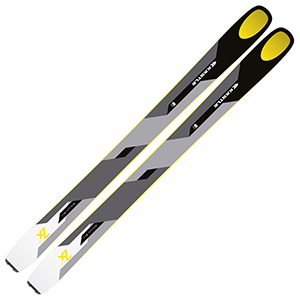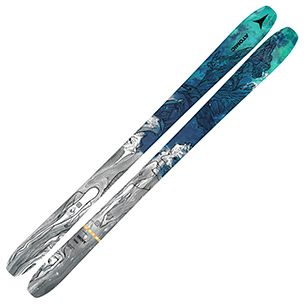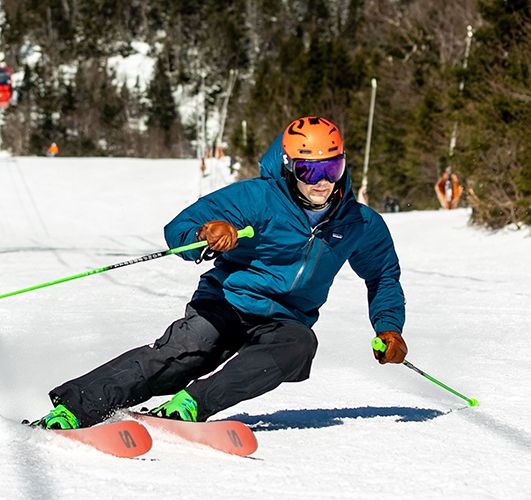



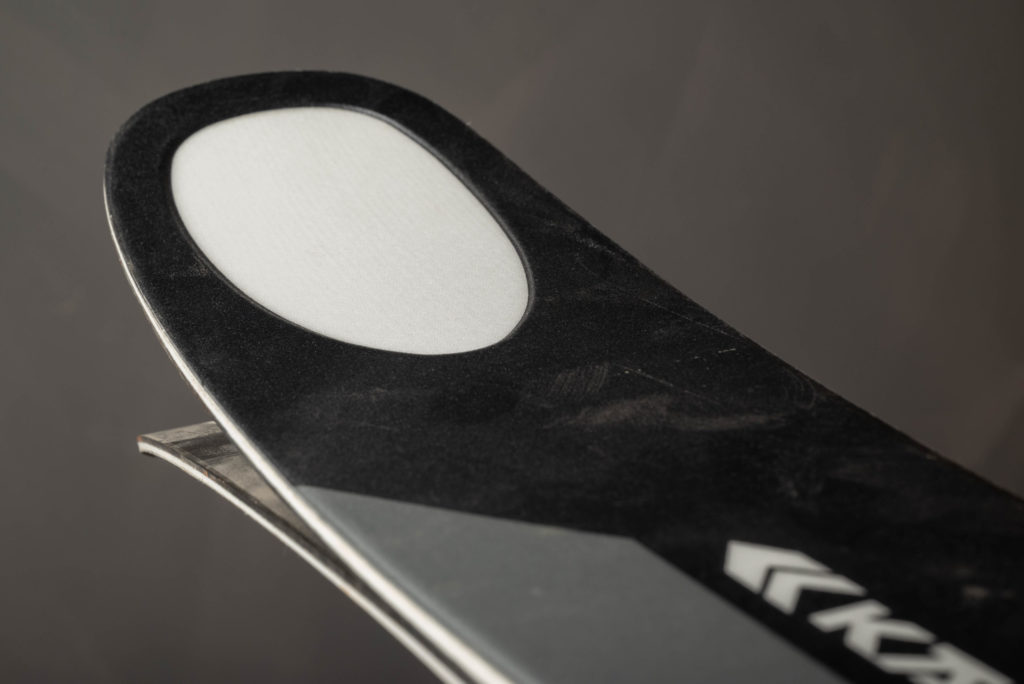
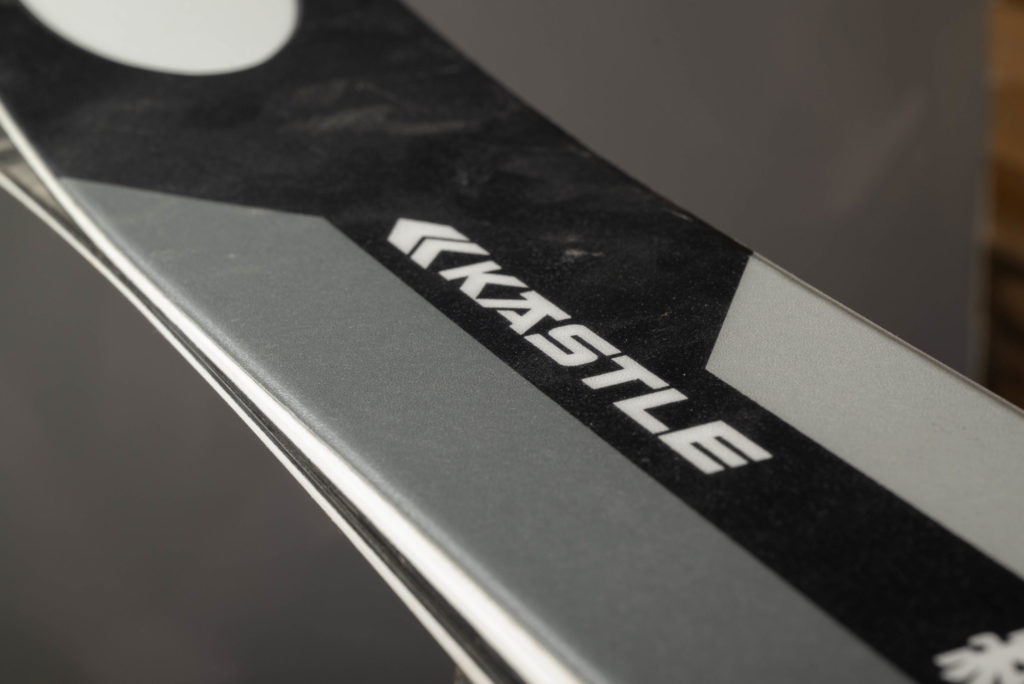
Sharing the same basic blueprint as the wider 108 and 115, the 2023 Kastle ZX100 is a modern and progressive freeride ski in a slightly more average width. Built with a wood core consisting of poplar and beech stringers, the skis have a great blend of energy and strength. Since they use wider stringers, there’s less epoxy, and that makes for a lighter and more flexible ski versus FX or MX models. Two sheets of fiberglass and a rubber layer on the bottom make the ski both energetic as well as damp. Since it borrows profile and footprint from the wider skis, this is one of the better floating 100’s out there, especially in the shovel. The tail is still pretty strong and poppy, so when you get back on the groomers, it’s actually a whole lot of fun. While nobody’s going to mistake this for a front side ski, it’s a decent carver for sure, you just have to know and understand that the tip isn’t going to hook up and bring you into a carve.

ROCKER PROFILE

Rocker / Camber / Rocker
CORE MATERIALS
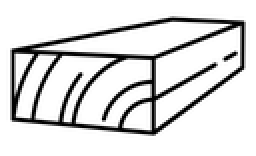

Corund-Protection Top Foil
PREFERRED TERRAIN



All Mountain, Big Mountain, Powder
Bob St.Pierre skied the 181, and while he noted it skied true to size, he’d “rather be on the 189, or at least give it a try.” At 6’2 and 225 pounds, a 181 without metal has to have a lot going for it to hold up to heavier and more aggressive skiers like Bob. He scored it top marks of 5 out of 5 for quickness, maneuverability, playfulness, and overall impression. 4’s for versatility, torsional stiffness, edge grip, and flotation were not far behind. From there, 3’s for stability and forgiveness rounded out his card. “For me, this ski makes a lot more sense than an FX96 Ti for an all-mountain ski because I spend most of my time in the woods. Additionally, I found it to be more than capable on the groomers, providing excellent snap and pop in the shorter turns, which I really enjoy. Not as stable when you open it up, but that’s not what the majority of my time is spent doing. These skis are amazingly agile, and while they don’t have the same build as the more expensive skis in Kastle’s line, I almost like them more. Advanced skiers will get the best performance out of them, but progressing intermediates will also find a lot to like here without getting overpowered.”
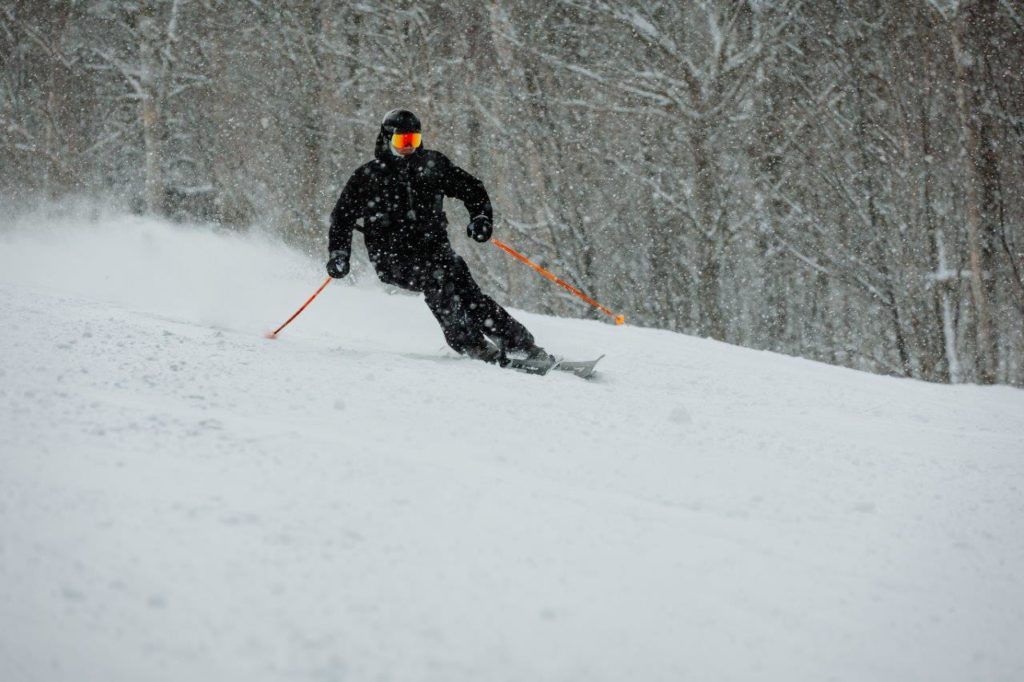

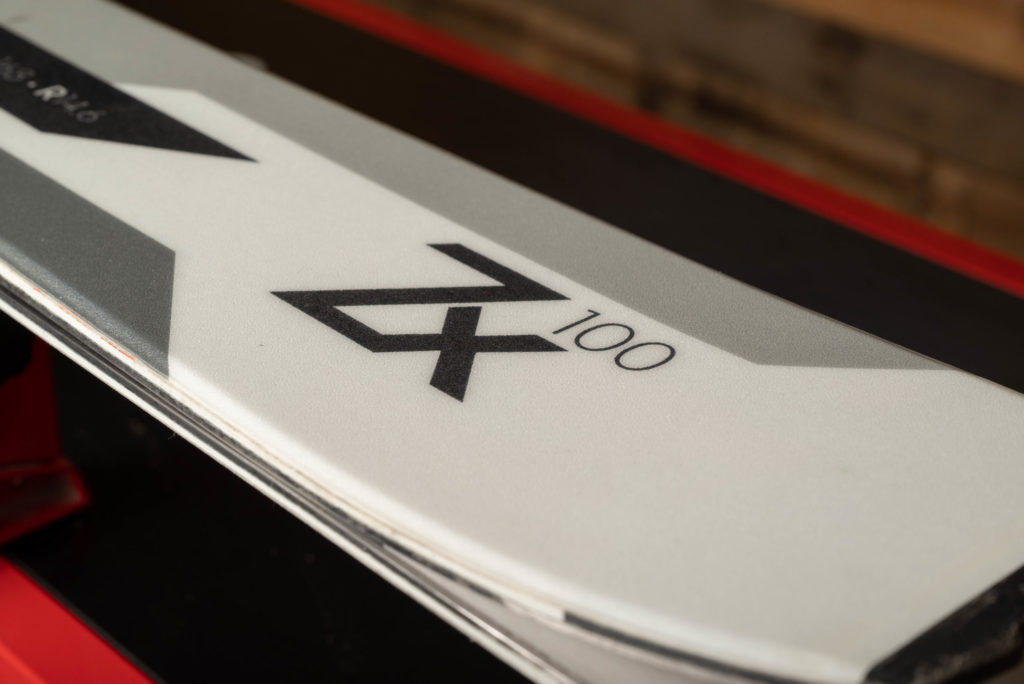
On the 168, David Carter noted that it was a little bit short. He gave top scores of 5 out of 5 for quickness and maneuverability with 4’s for overall impression, versatility, forgiveness, playfulness, and flotation. A lowly 3 for stability kind of makes sense here, as the skis are too short to start. David calls it “A quick turning ski for short radius turns on soft snow a little bit firm for the ski’s ideal performance.” By calling out that blend of attributes, we get a good sense of the ski’s ability to float and turn quickly on a variety of snow surfaces. Zach Mooney skied the 181 and noted that it skied true to size. Lots of high scores from Zach, who like Bob, is a pretty aggressive skier, showing that these ZX100’s can stand up to some strong skiing. He gave it 5’s for overall impression, playfulness, quickness, maneuverability, stability, and flotation. Only slightly lower, we see 4’s for versatility, torsional stiffness, edge hold, and forgiveness. “The ZX 100 is a soft and playful ski. No metal makes it tougher on east coast ice. But the early rise tip rips through spring conditions. Bumps and soft snow are where this ski performs best. A hybrid binding with the option for uphill would be a sweet set up on these.” Agreed, that the versatility of the ski extends beyond the resort and into the backcountry.
If you’re looking for a progressively shaped and profiled ski that still has a traditional and directional feel to it, the ZX100 is a fantastic choice. This ski has a huge range of skier types and applications, making it a great option for skiers who spend an equal amount of time in and out of the fresh and soft snow both in and out of bounds.