

2025 Fischer Ranger 116




- Rocker profile
- Rocker/Camber/Rocker
- Construction
- Poplar/Beech Wood Core, Flex Cut, Sintered Base
While we get a nice new graphic for 2025, the Fischer Ranger 116 otherwise returns unchanged. In the world of big and fat powder skis, the Fischer Ranger 116 is an excellent option. This ski has a whole lot going for it, not only in the pure fluffy flotation world, but also when it comes to drifty, smeary, and more creative skiing. Ranger 116 loves to surf and play in the snow and dance in the terrain. It’s surprisingly nimble for its size, which is honestly kind of a rare thing to say in regards to the rest of the Ranger series of skis. The wide shovel and metal underfoot contribute to this ski’s overall sense of confidence and adventure while the fun-loving shape keeps it in tune to the fall line and allowing skiers to dictate shape, duration, and magnitude of turns with ease. If you find yourself in the right zone with these skis on your feet, you’ll be darn stoked. This 116 seems to have the magic formula for blending deep snow with playful creativity.
While there’s metal underfoot, the big story is the wood core profile. Built with a mix of poplar and beech wood in the core, the Ranger 116 has a nice blend of energy and power. The poplar is a bit lighter and makes for better pop and rebound. The beech is denser and sturdier, giving skiers all the confidence they’ll need at higher speeds and in more technical zones. Thanks to this mix, skiers can access a playful as well as business-like character in the Ranger 116. Fischer then adds their Shaped Ti laminate to the mix to boost underfoot performance and stability. The layer is full-width underfoot and extends slightly to the tips and tails. The 116 uses less metal than the narrower versions of the Ranger series, putting more emphasis on the benefits of the wood when it comes to the ski’s overall character. As a result, the 187 tips the scale at 2150 grams per ski which isn’t that much heavier than the 108, which does use more metal overall. It’s flexible, too, making it amenable to shifting turns and drifty slashes.
Big, rockered, tapered skis like this are very creative in how they go about their style. In terms of shape, the shape is wide. That’s all there is to say about that. If you’re looking for a ski that can stand up to the deepest snow on the planet, this is where you need to be in terms of width, rocker, and taper. The bends in the ends of the ski are quite dramatic, and the spoony taper shape of the ski is obvious and floaty. At 116 mm underfoot in the 187, the ski produces a 20-meter turn radius which is kind of on the short side for a freeride ski like this. Mainly we’re seeing low to mid-20's in the arc, but this 116 seems to be happy in the 20-meter zone. That’s fine, and most of the shorter turns come because of the more flexible and tapered shovel—skiers can easily get into the radius of the ski with a simple bend of the tip. Additionally, in the underfoot zone, there’s still camber to provide good energy for a relatively one-dimensional ski. Tester Bob St.Pierre notes that “This ski has a very nice snow feel in the softer stuff. It's got a lot of taper and rocker to it, so it's way more on the playful and creative side of the spectrum.”
In terms of application and skier type, this is a unique and specific product. While we’ve mainly had this ski out in Vermont snow day conditions, it’s easy to see that it’ll work well in deep and bottomless snow. We’ve played around with the slashy nature of the ski and it’s off the charts. The fun factor involved with this ski surpassed anything we were expecting, as these skis are more meant to be used in a specific format. Even in a few inches of soft snow, the Ranger 116 was a blast with every playful turn. That said, we’d rather ski it in more.
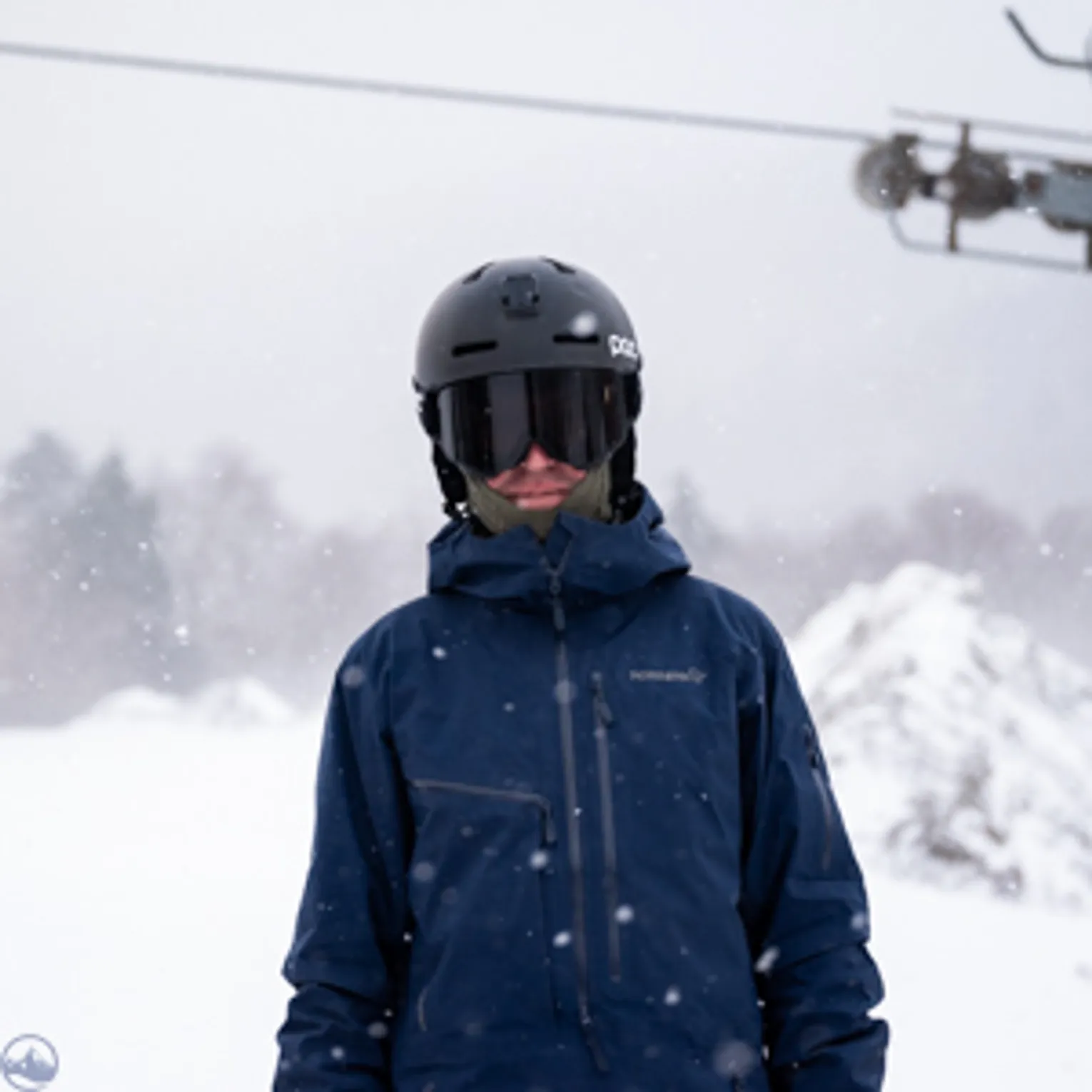
- Ability
- Expert
- Height
- 5'10"
- Weight
- 160
- Days / Year
- 120-140
- Age
- 38
- Years Skiing
- 36