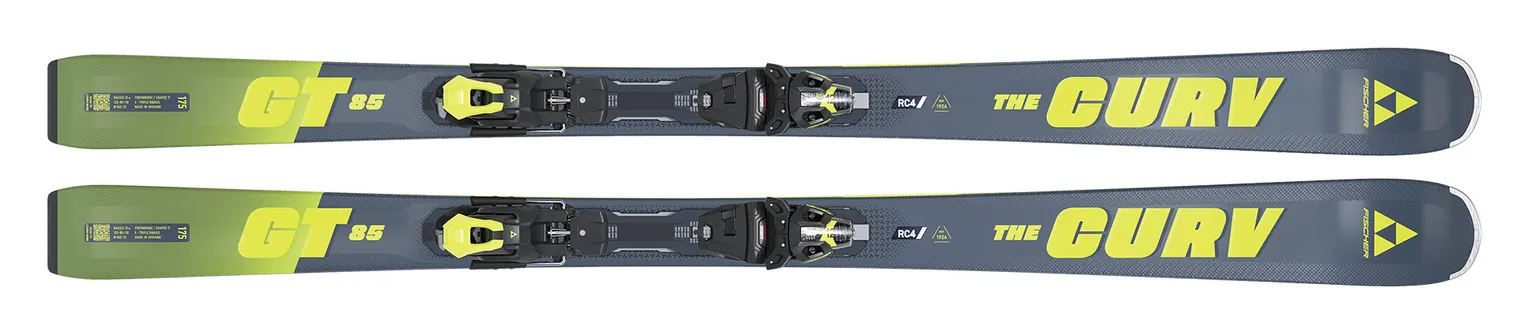
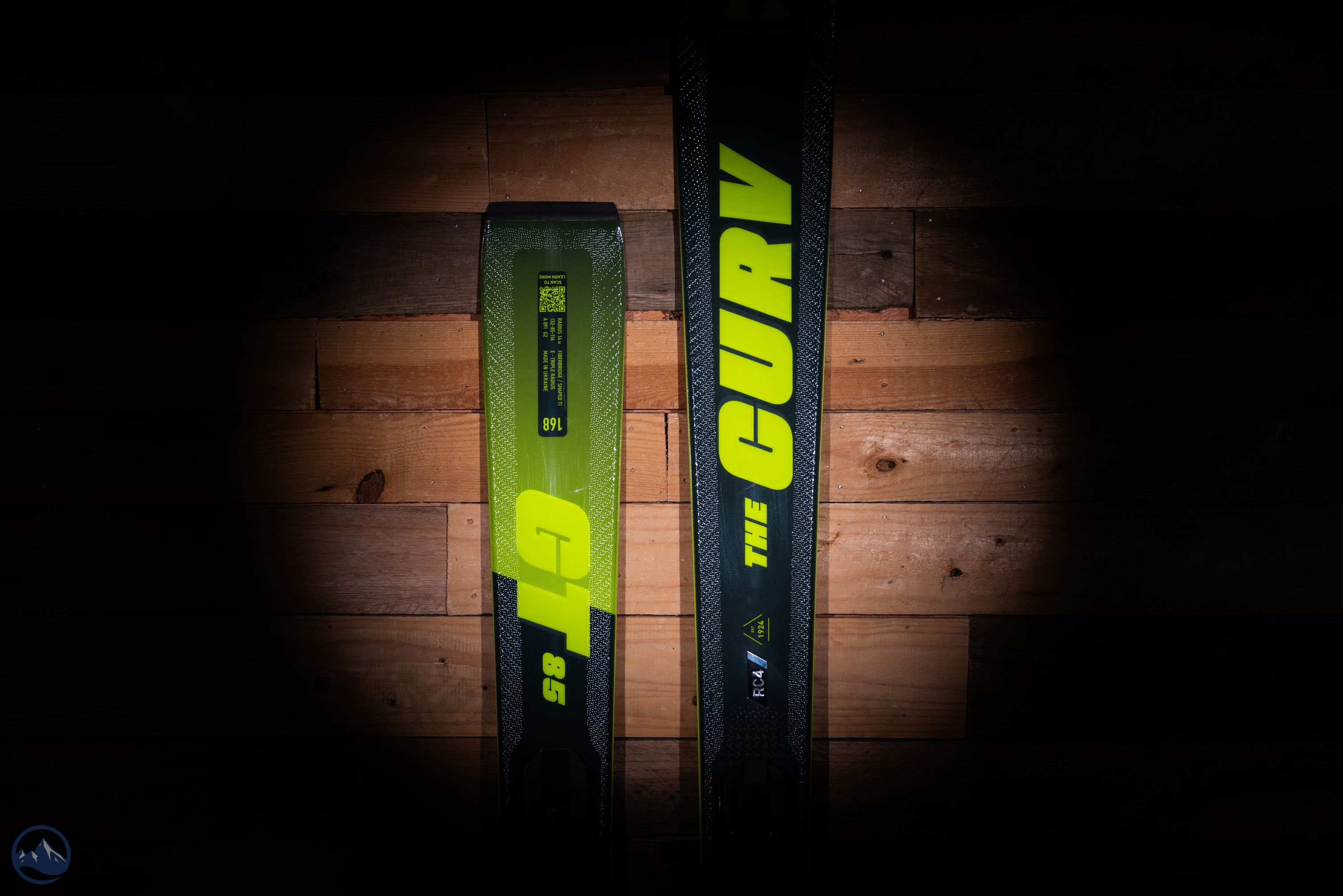
2025 Fischer The Curv GT 85

- Recommended terrain
- Groomers
- Ability level
- Advanced, Expert
- Rocker profile
- Rocker/Camber · Fischer On-Piste Rocker
- Construction
- Beech Wood Core, Titanal, Fiberglass, Shaped Ti 0.8, Fiberglass Bridge, E-Triple Radius, M-Track, Sintered Base
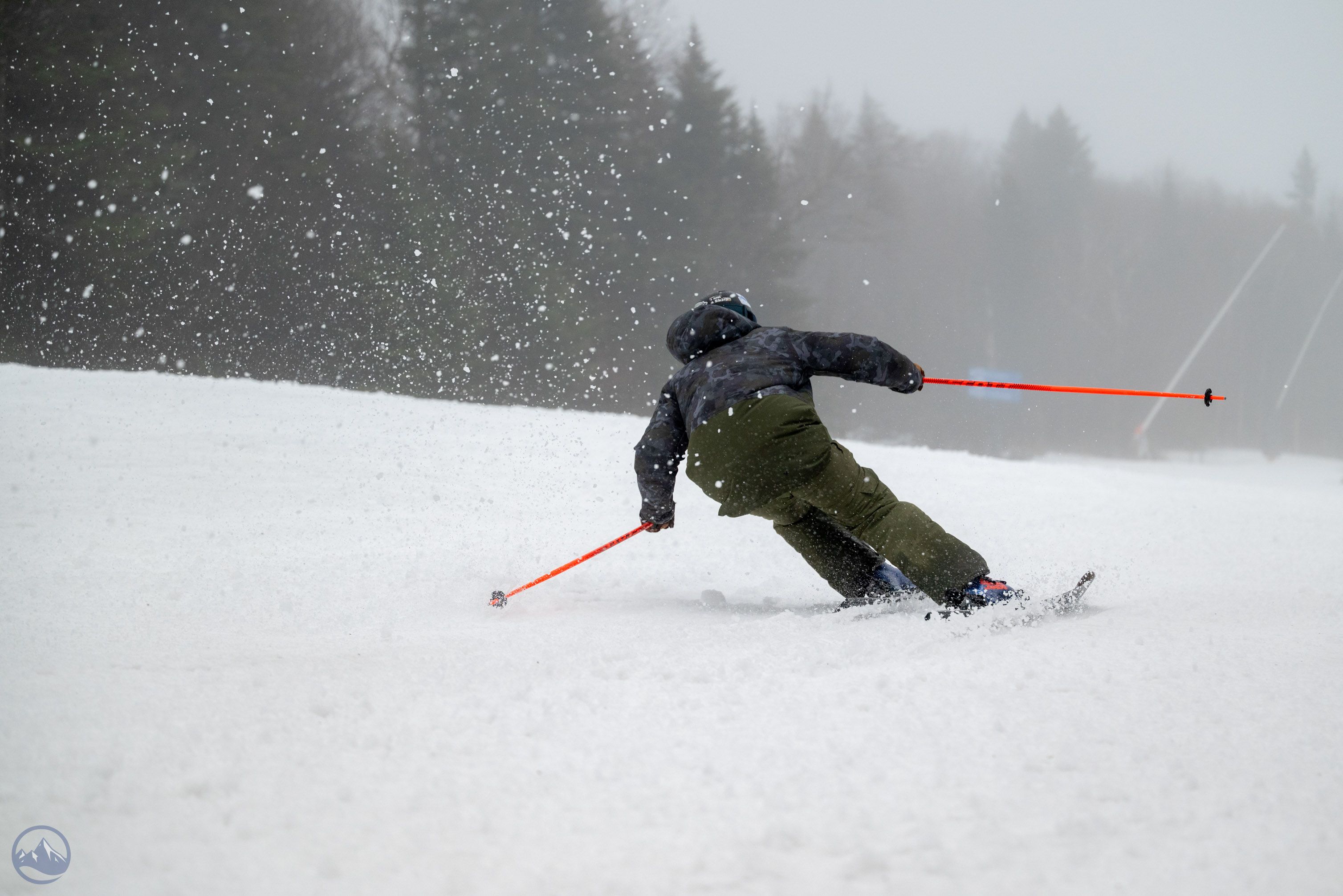
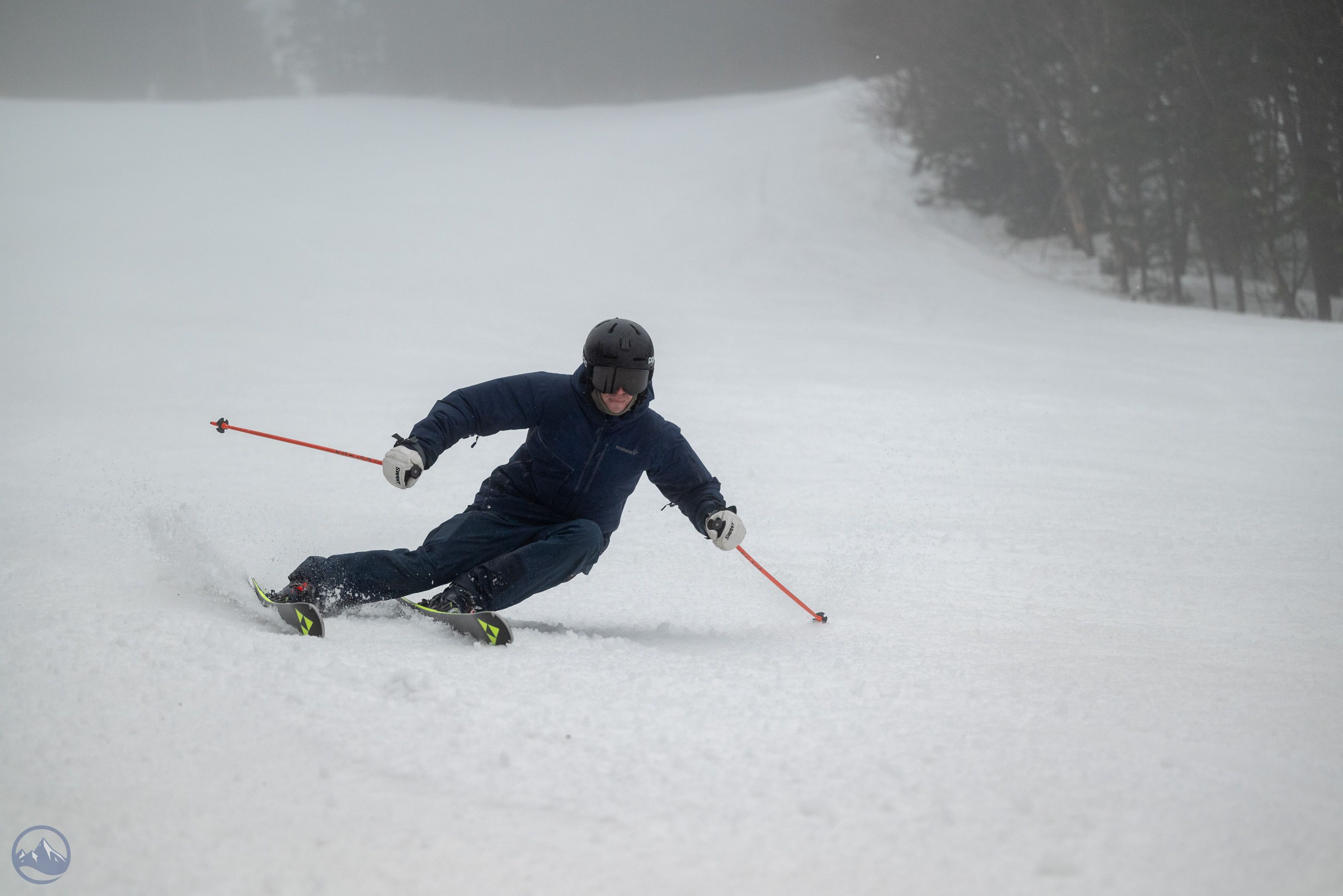
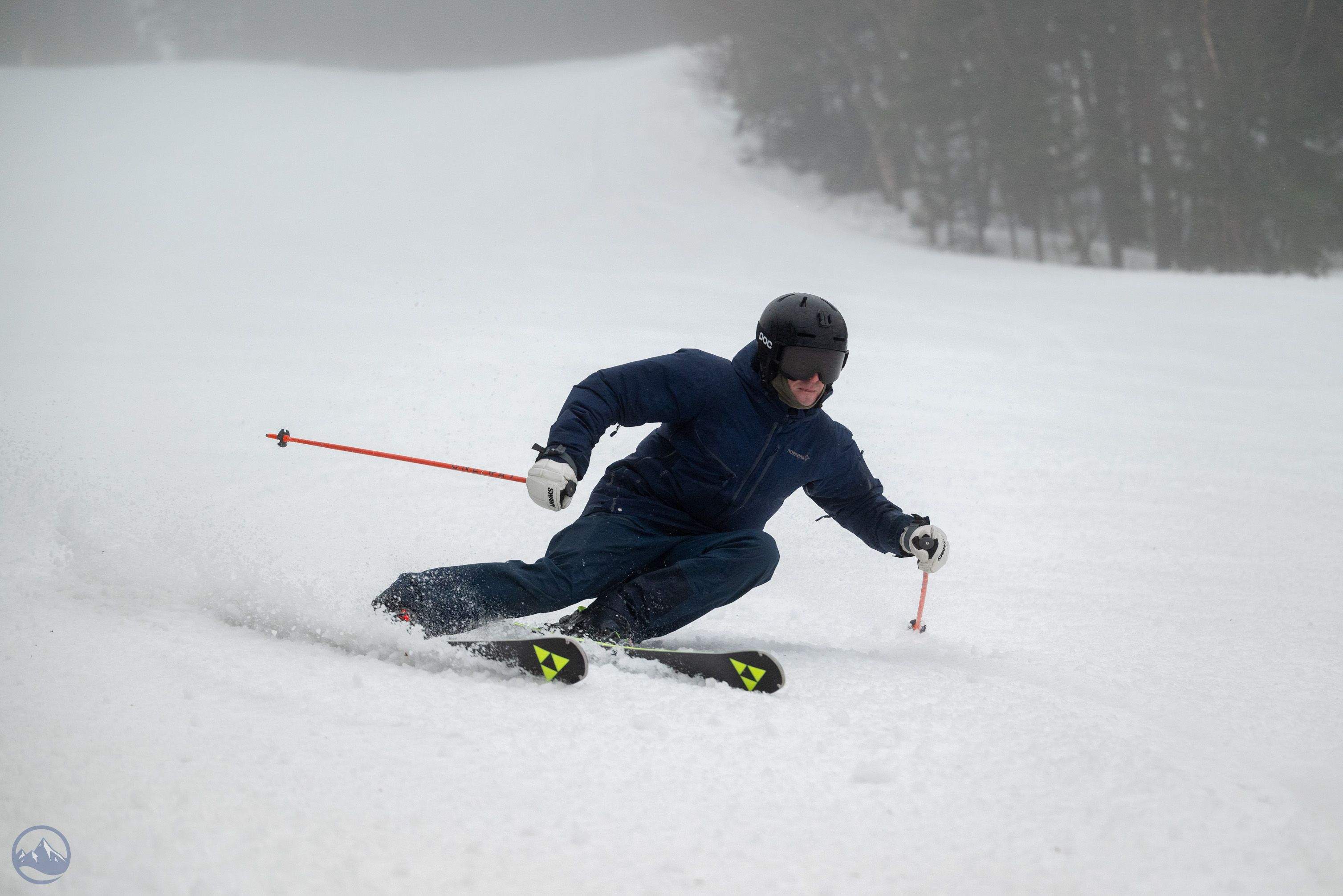
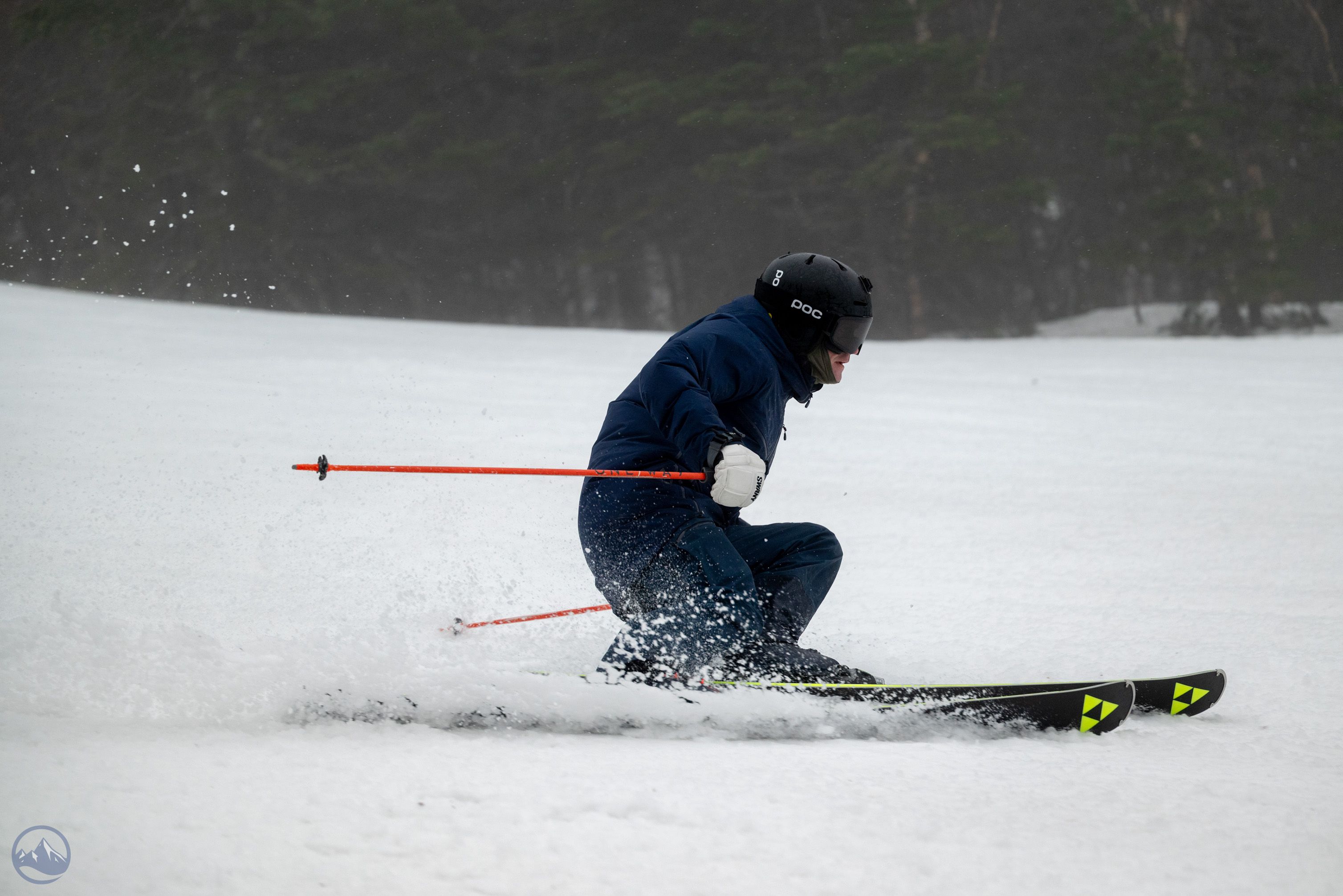
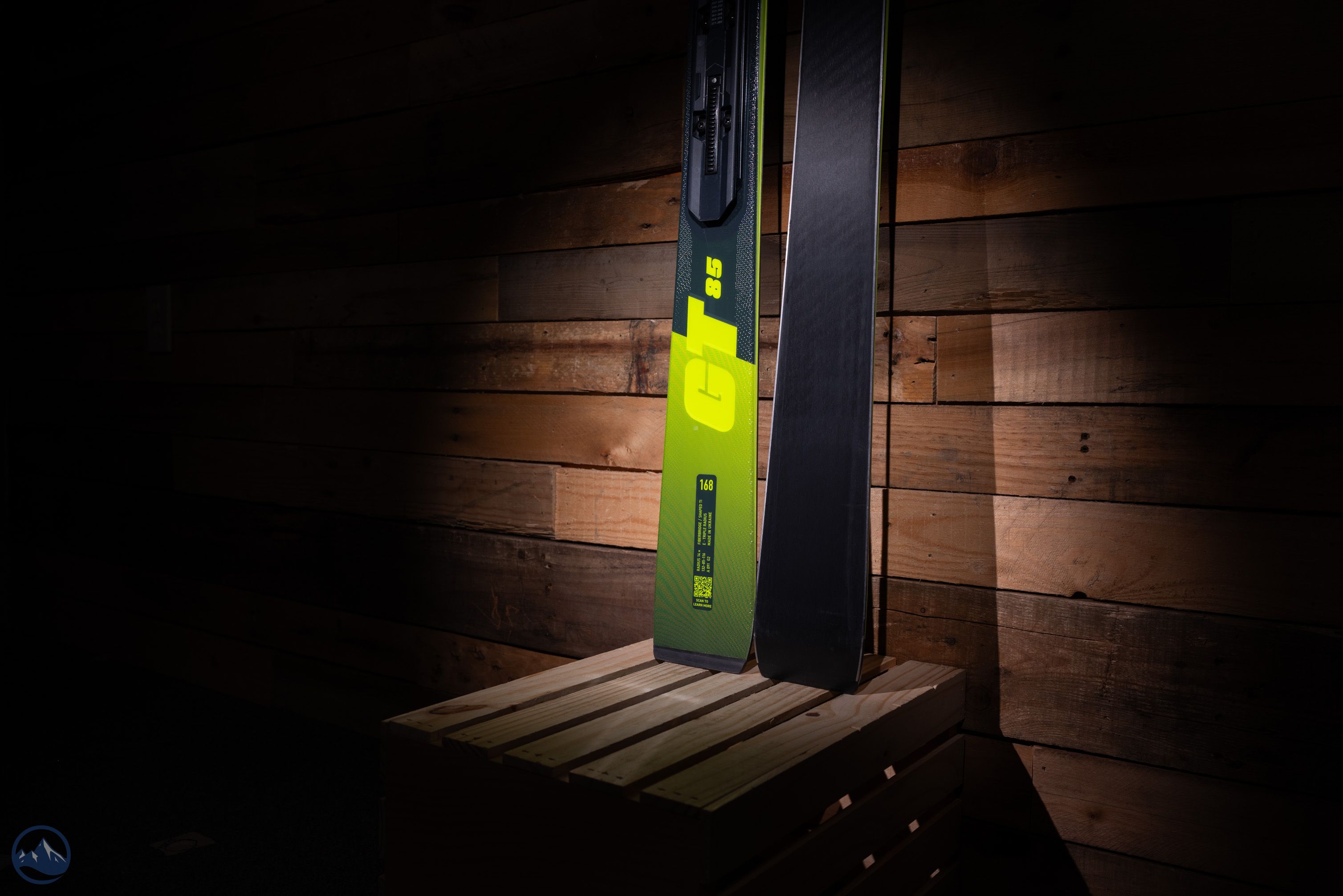
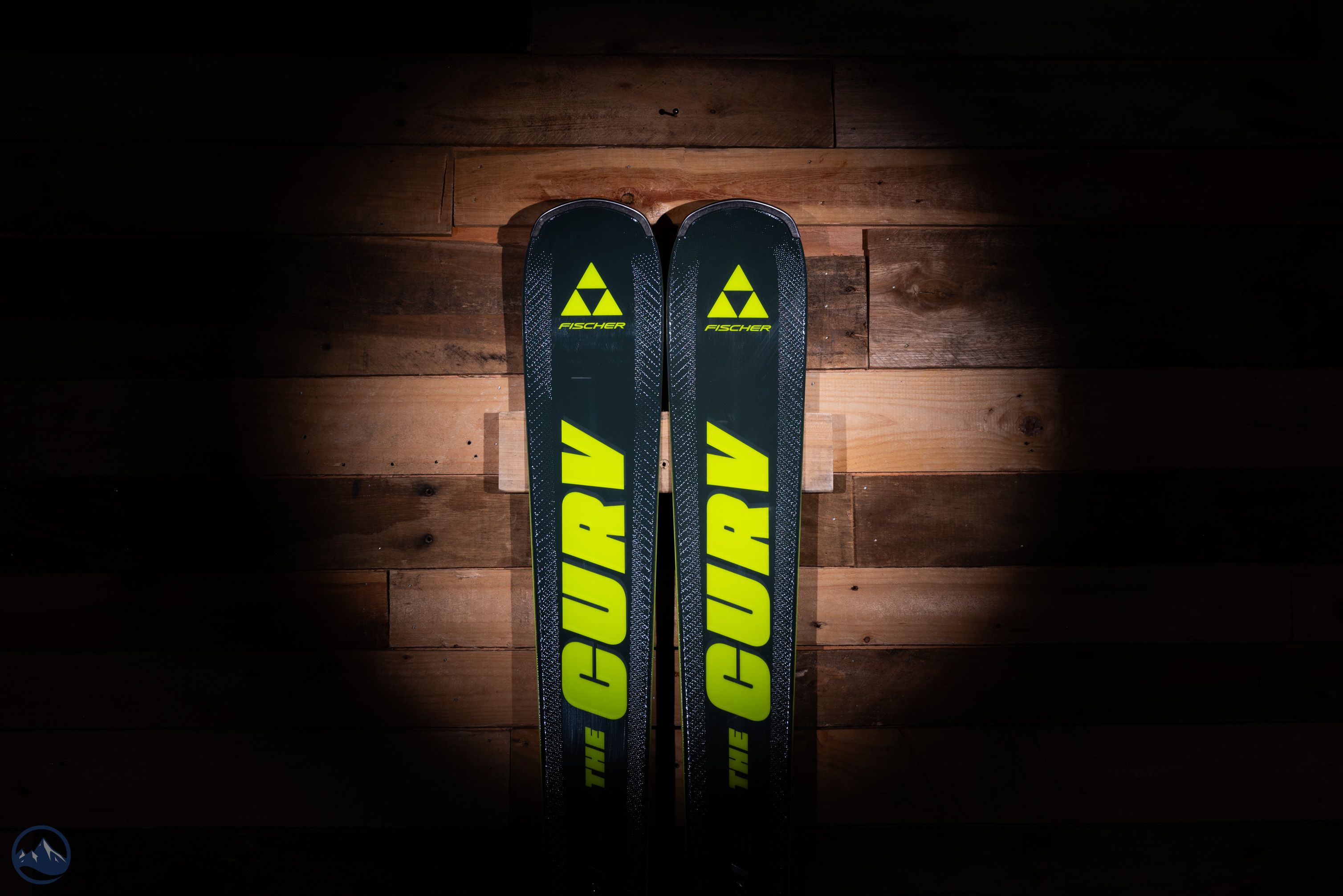
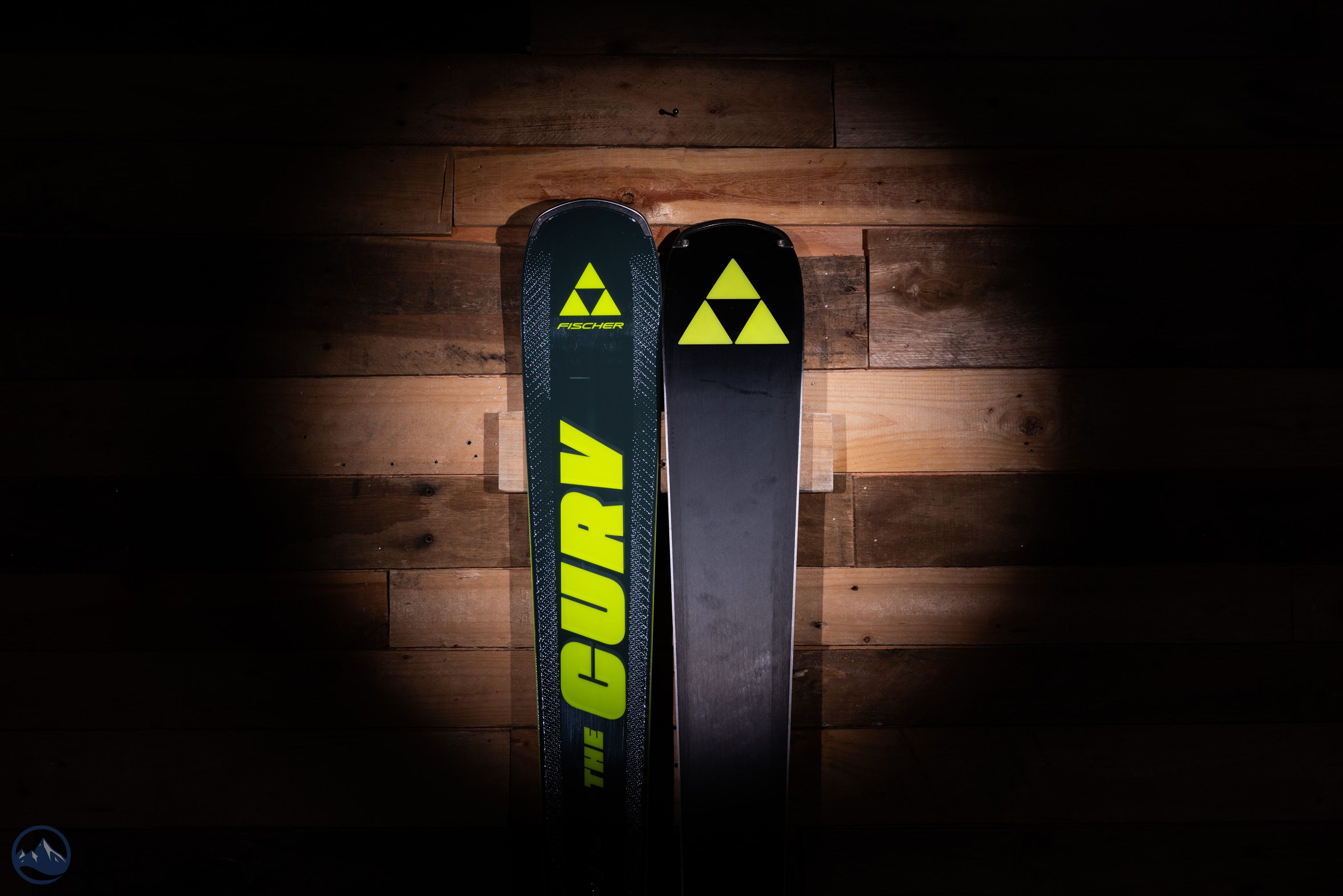
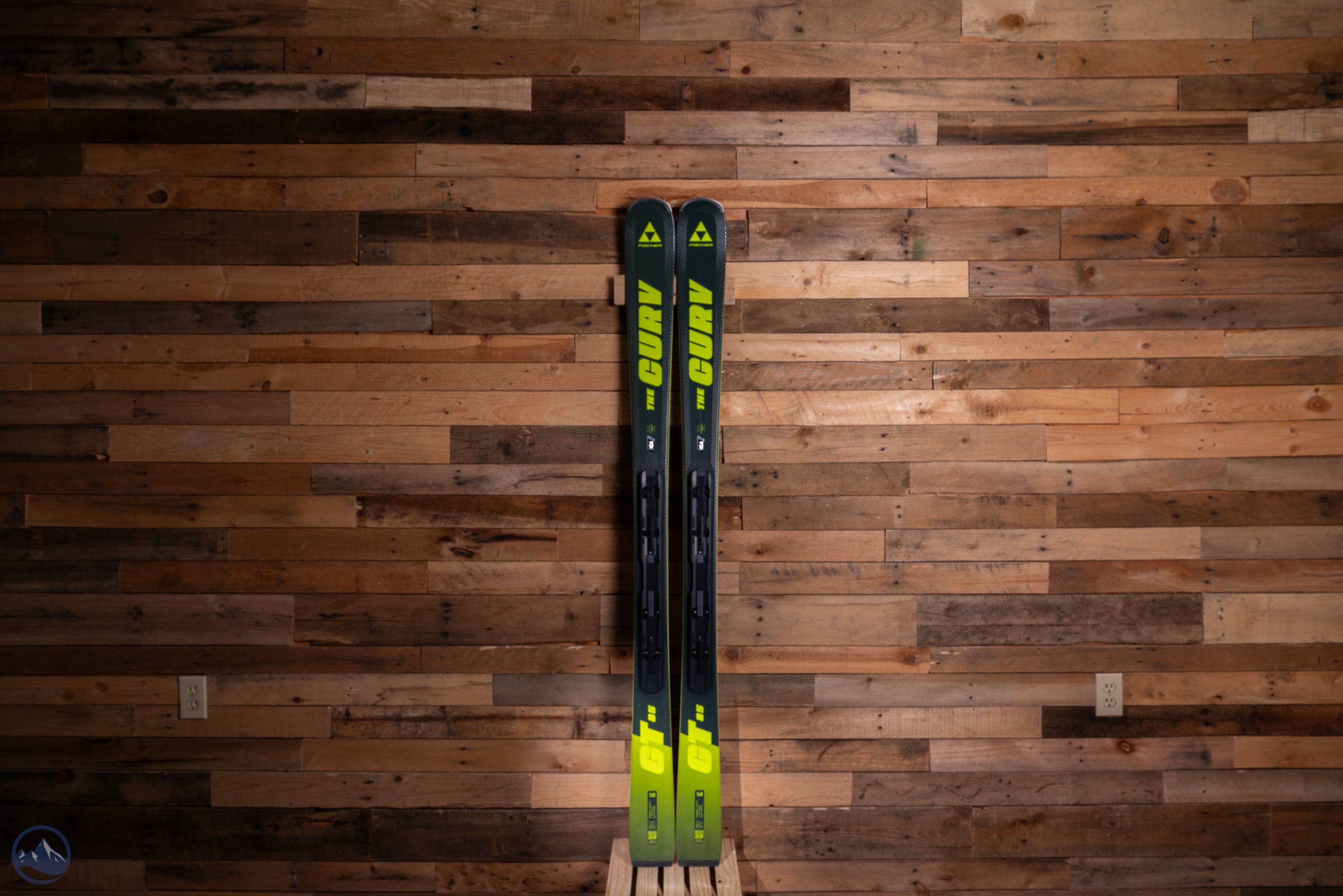
With an emphasis on frontside skiing without missing out on all-mountain adventure, the all-new 2025 Fischer Curv GT 85 covers a lot of ground. While the outgoing 86 GT had a lot going for it in the stability and power realm, the new 85 takes the performance and the mobility to the next level. We’ve seen a lot of great wide front side skis come through here over the years, and the Fischers have always had the most race-like and planted feel. This continues into 2025 for sure, allowing advanced and expert skiers the confidence to really lean into a turn on any type of snow condition or terrain. While the overall concept of the new 85 hasn’t differed that much from the outgoing 86, there are some notable changes that make the ski more likely to be a favorite of many expert skiers looking to carve.
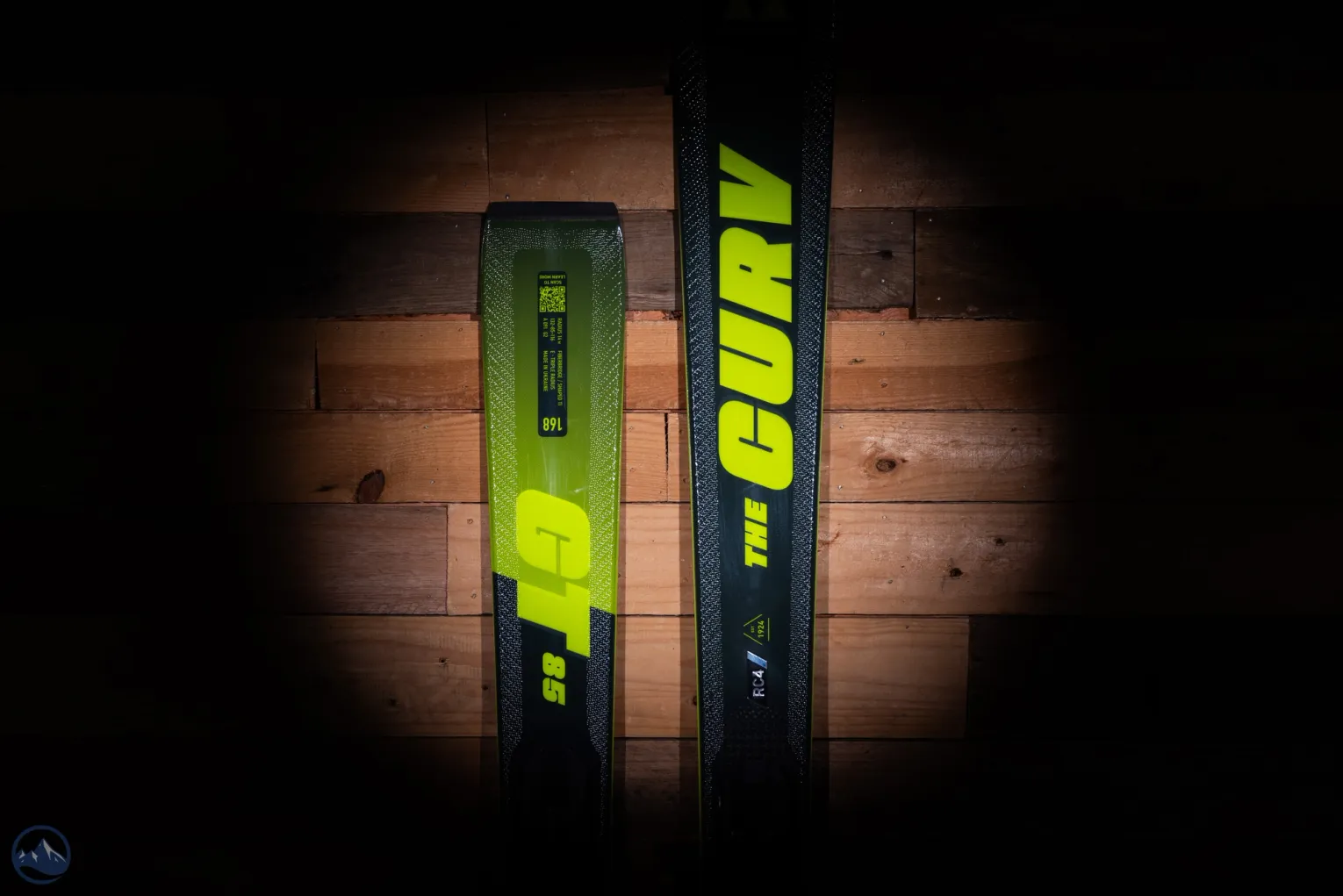
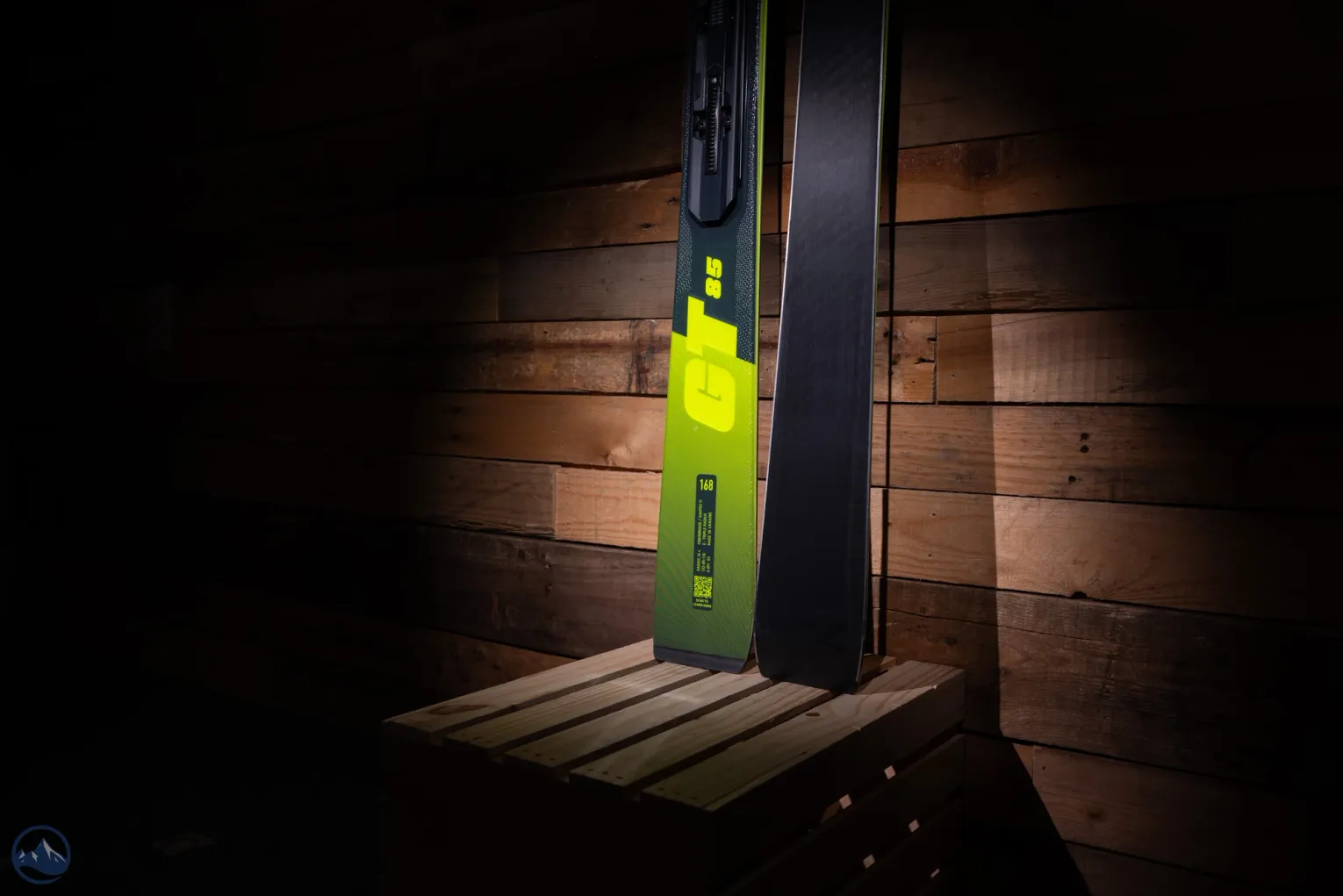
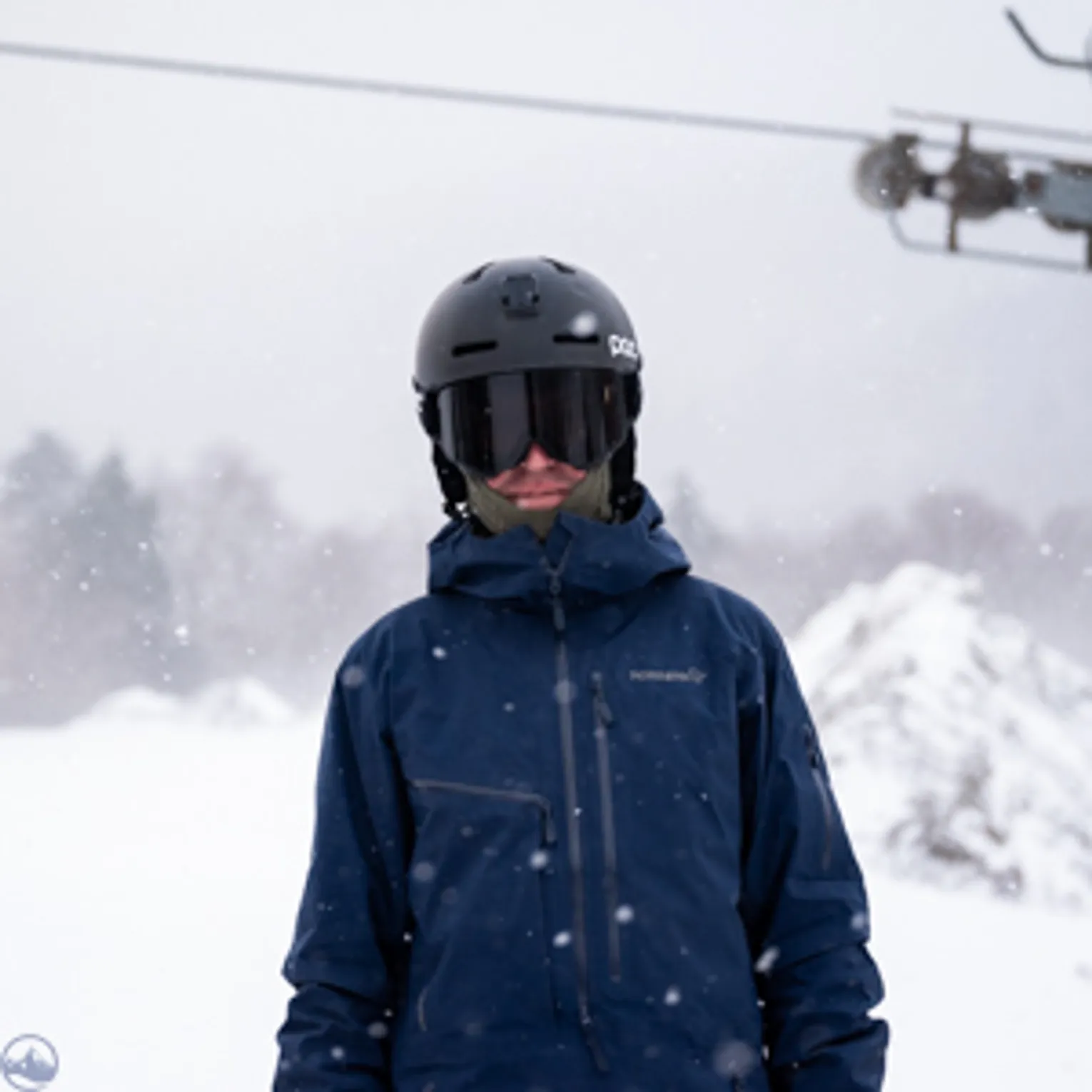
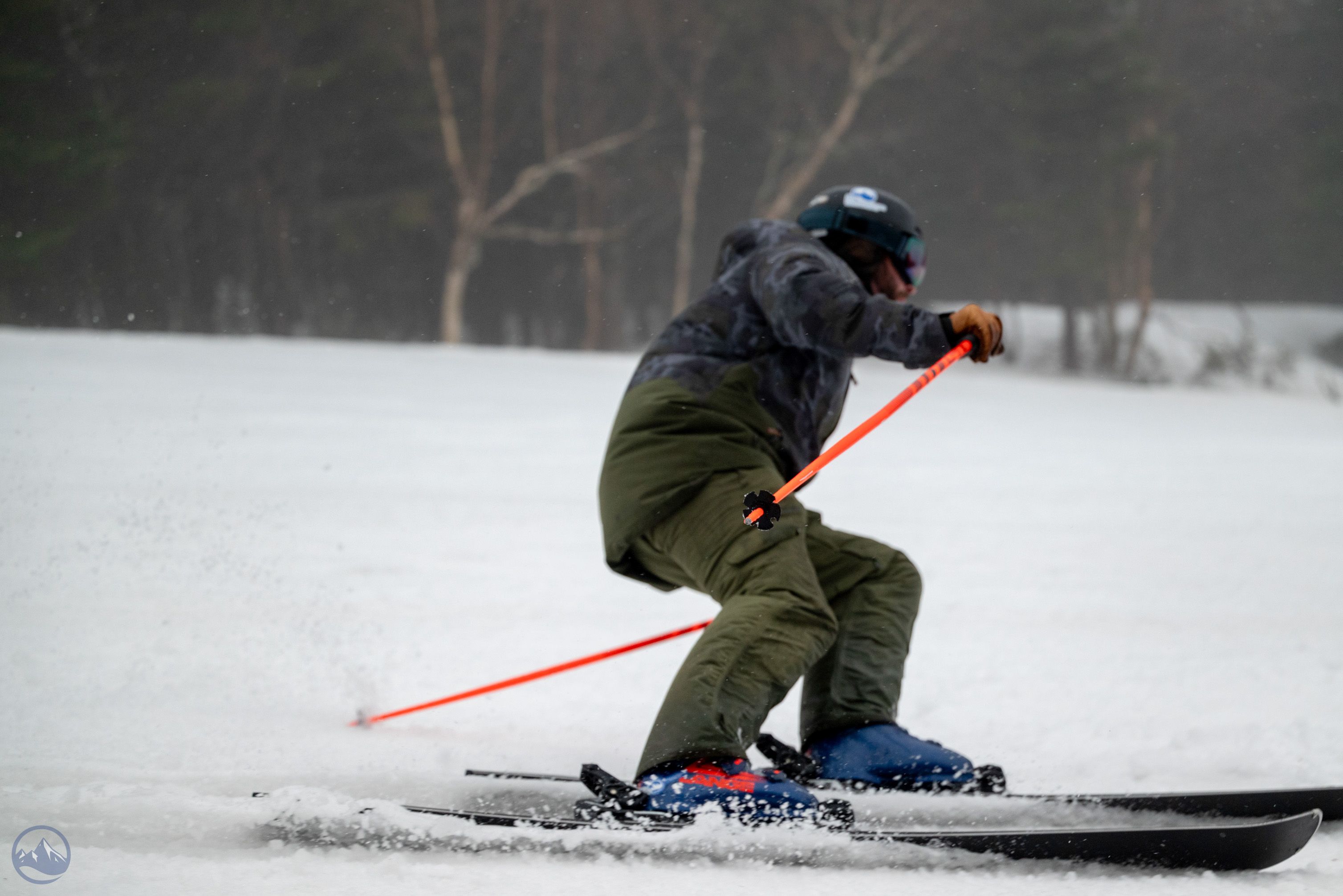
Built with a full beech wood core, these Curv GT 85’s has a race-inspired core. Like the 86’s, the new 85 has thick and hefty .8mm titanal laminates to dampen the vibrations and provide total confidence. One of the newer aspects is the implementation of fiberglass bridge to the underfoot zone. The racing Curv skis use a carbon bridge, which places think carbon strips horizontally across the middle of the ski. This Curv 85 uses fiberglass in the same way, stiffening the underfoot area and making it incredibly responsive and strong. As a result, the skis are very sturdy and predictable from tip to tail with an added boost of power in the mid-section. There is a price to pay for this stability, however, as the ski sits on the scale at 2320 grams per ski in the 175 cm length. Tester Jeff Neagle notes that it’s a “Great carving all mountain ski. Handled softer snow well and plowed through piles while staying super composed. It’s pretty stiff so doesn’t feel very playful or forgiving but a fantastic carver.”
 The Rocker / Camber / Rocker profile of the 2025 Fischer The Curv GT 85
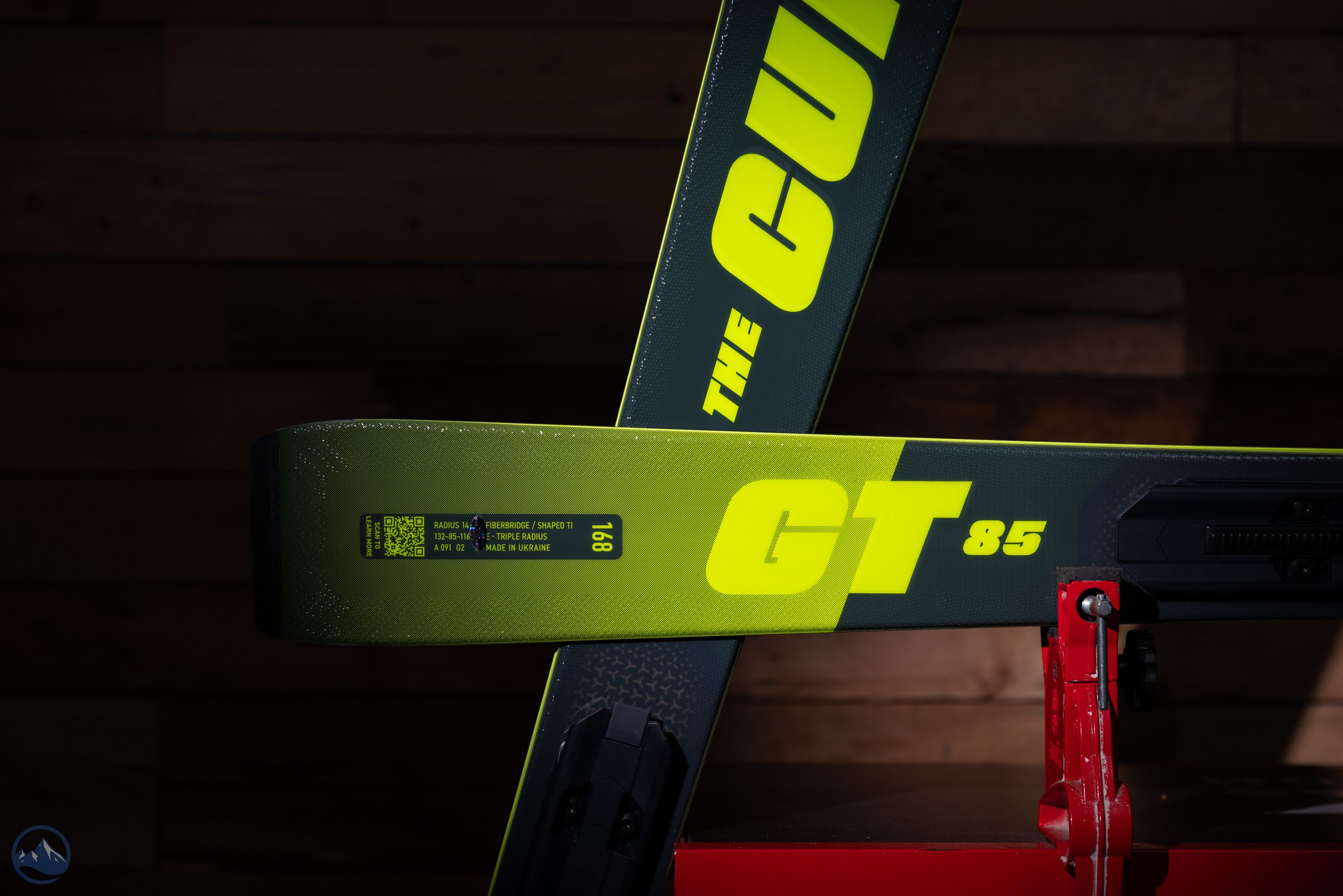
In terms of shape, this ski has more sidecut than it used to, shortening the arc and bring some liveliness to the mix. Now at 15-meters in the 175, the radius decreases from an outgoing 17-meters in the same length. We gain 3 mm in the tip and 2 mm in the tail to go along with a 1 mm drop in the middle. As a result, the ski gets brought more into the mid range of carving shape and style. If that sounds too short, please note that Fischer also uses their E-Triple Radius technology here that allows for variable use of that arc. It’s very intuitive, with a longer cut in the mid-section and shorter radii in the tips and tails. There’s not a whole lot of rocker to talk about here—just a bit in the ends, but that’s more for turn initiation and ease of completion. Jeff also states that due to the shape, it’s “definitely best on-trail, but it can handle variable snow conditions.” Width matters here—if this build were in a 76 or below, this ski wouldn’t nearly have the range that it does at its current dimensions.
This heft and demand keep it squarely in the advanced and expert realm. If you’re an advanced skier and this feels like a bit of a reach but you still want to give it a go, we do recommend sizing down. The skis are sturdy, so you don’t need to add length for stability. Ideally, skiers will have some sort of formal training to access the highest potential of these skis and use them appropriately on firmer than average snow.

- Ability
- Expert
- Height
- 6’2”
- Weight
- 250
- Days / Year
- 110ish
- Age
- 41
- Years Skiing
- 39 years
Explore More