

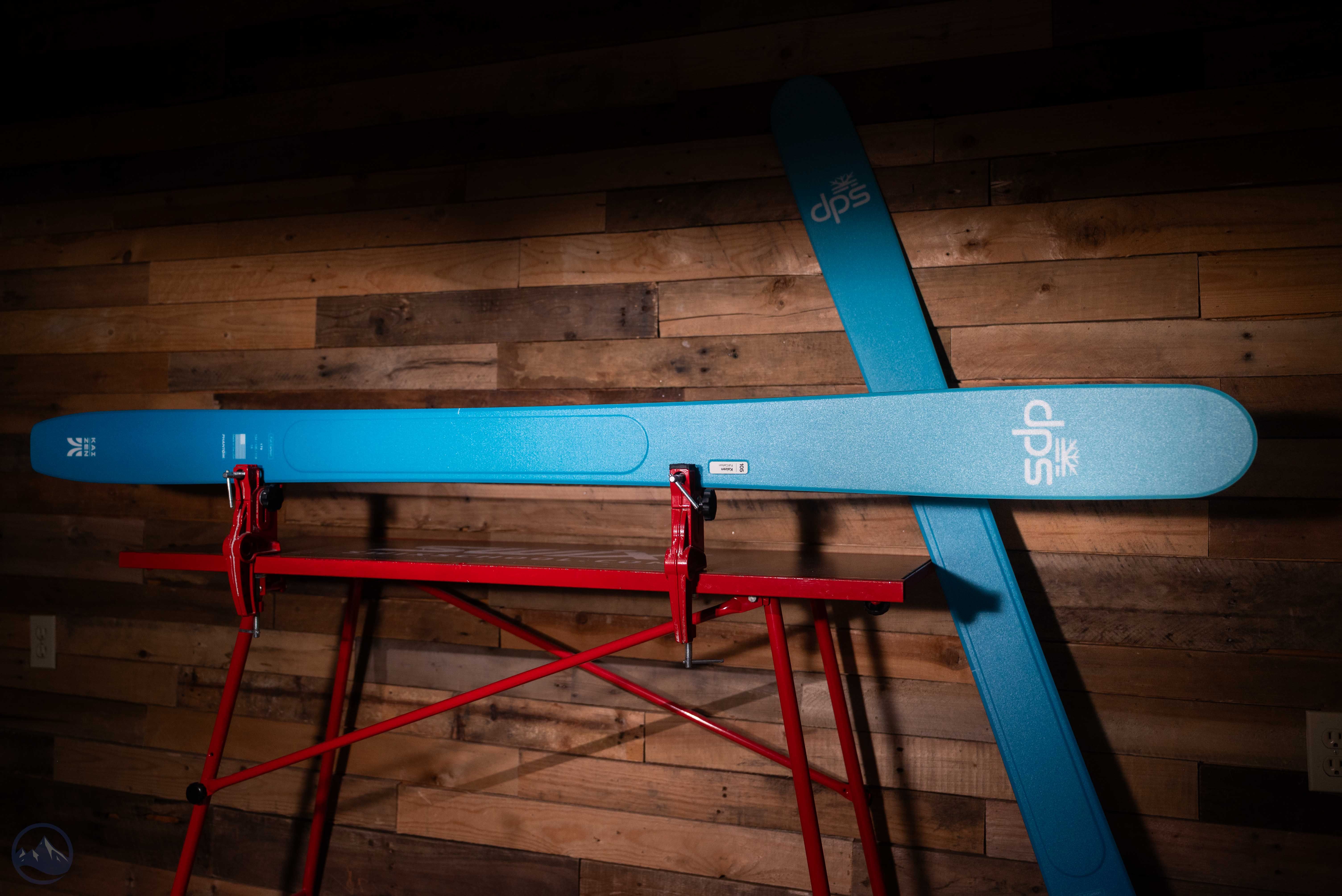
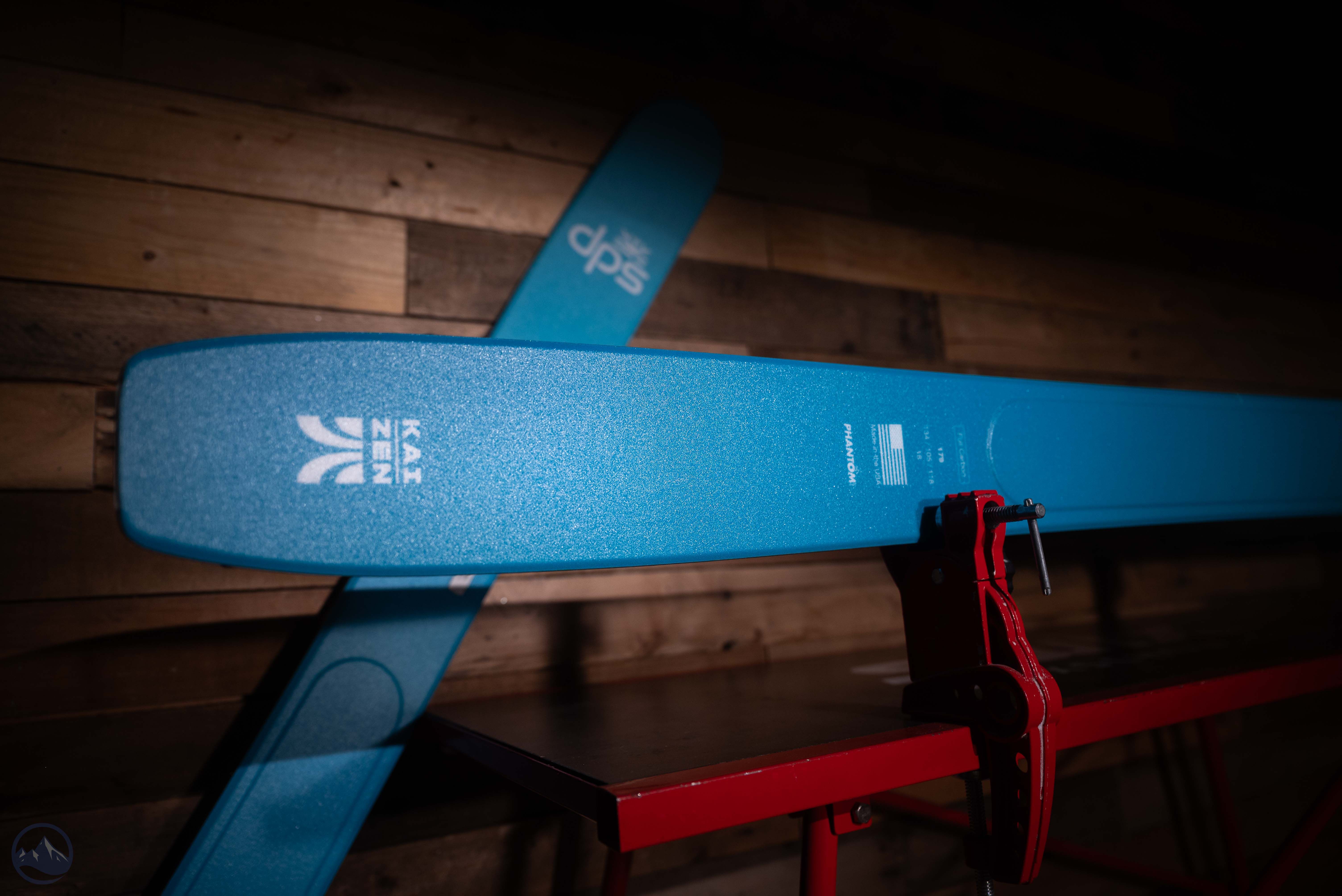
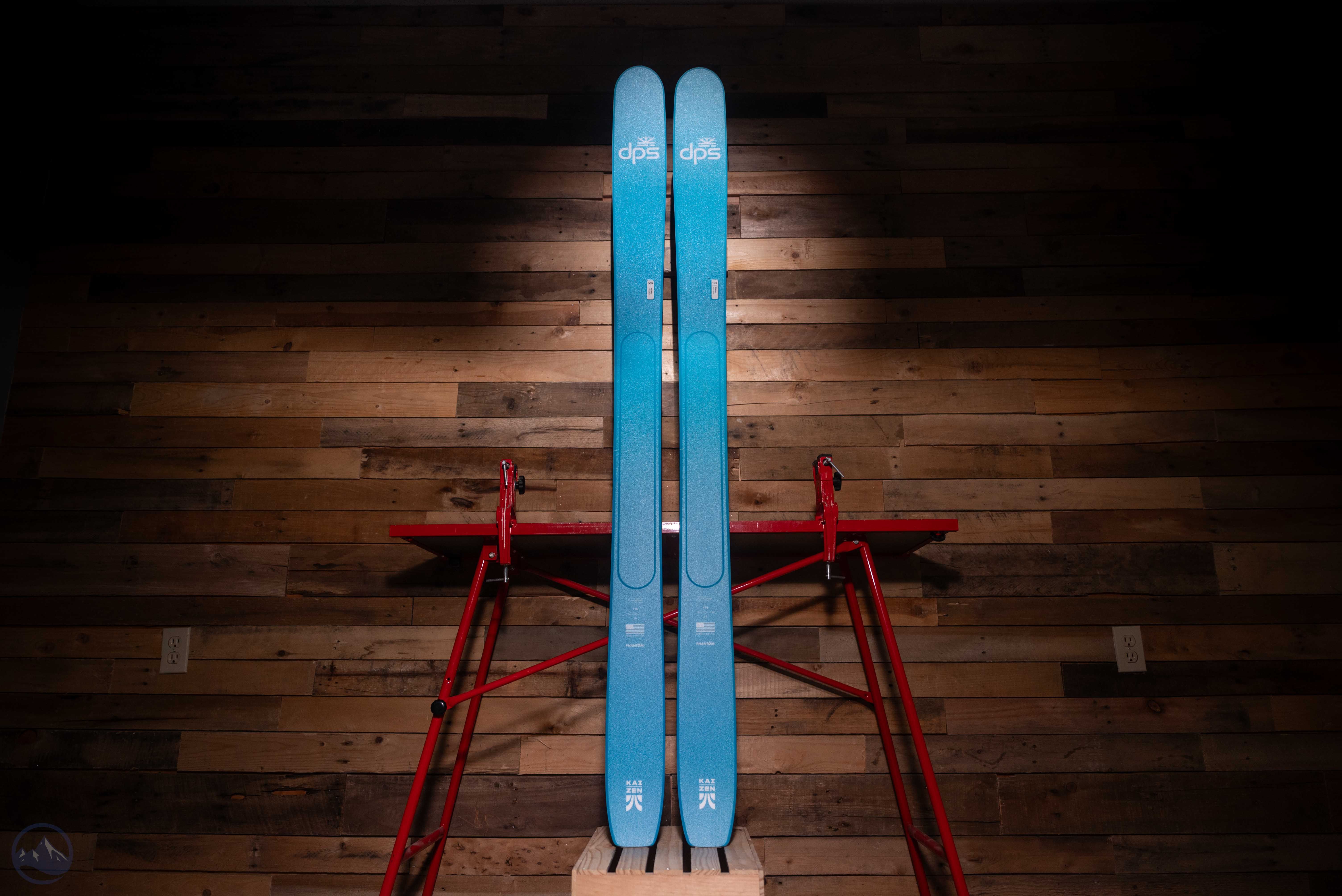
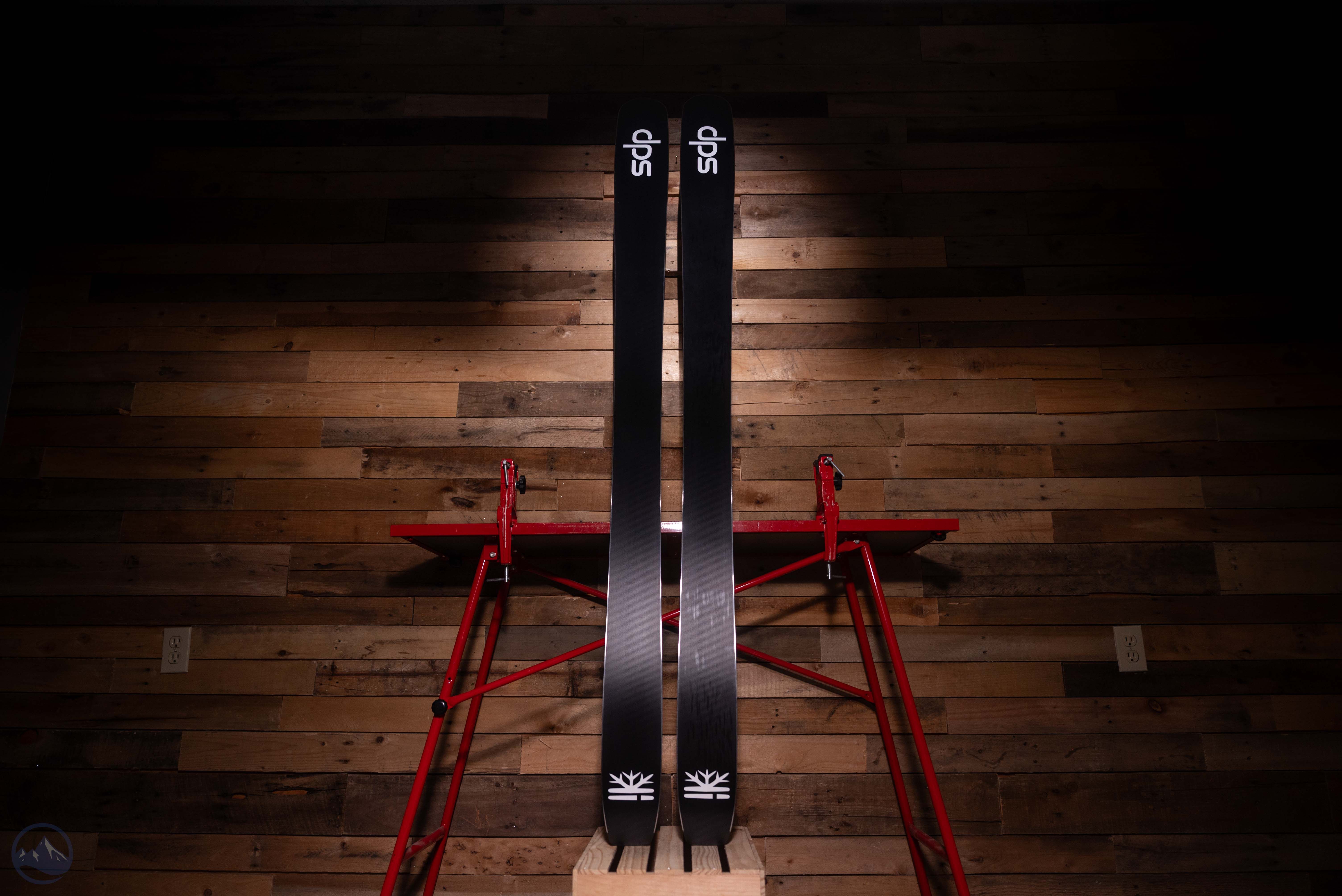
2027 DPS Kaizen 105


The 2027 DPS Kaizen 105 gets a graphic update but returns otherwise unchanged. This ski does a great job of blurring the lines between all-mountain and freeride since it has a directional shape and style but is also more playful and creative than you may expect. There aren’t many skis of this width, with no metal, that carve and hold nearly as well as these, and that’s a testament to the use of carbon and innovative construction techniques.
- Recommended terrain
- All-Mountain, Big Mountain, Freeride
- Ability level
- Advanced, Expert
- Rocker profile
- Rocker/Camber/Rocker
- Construction
- Poplar/Ash Wood Core, Carbon, World Cup Race Base
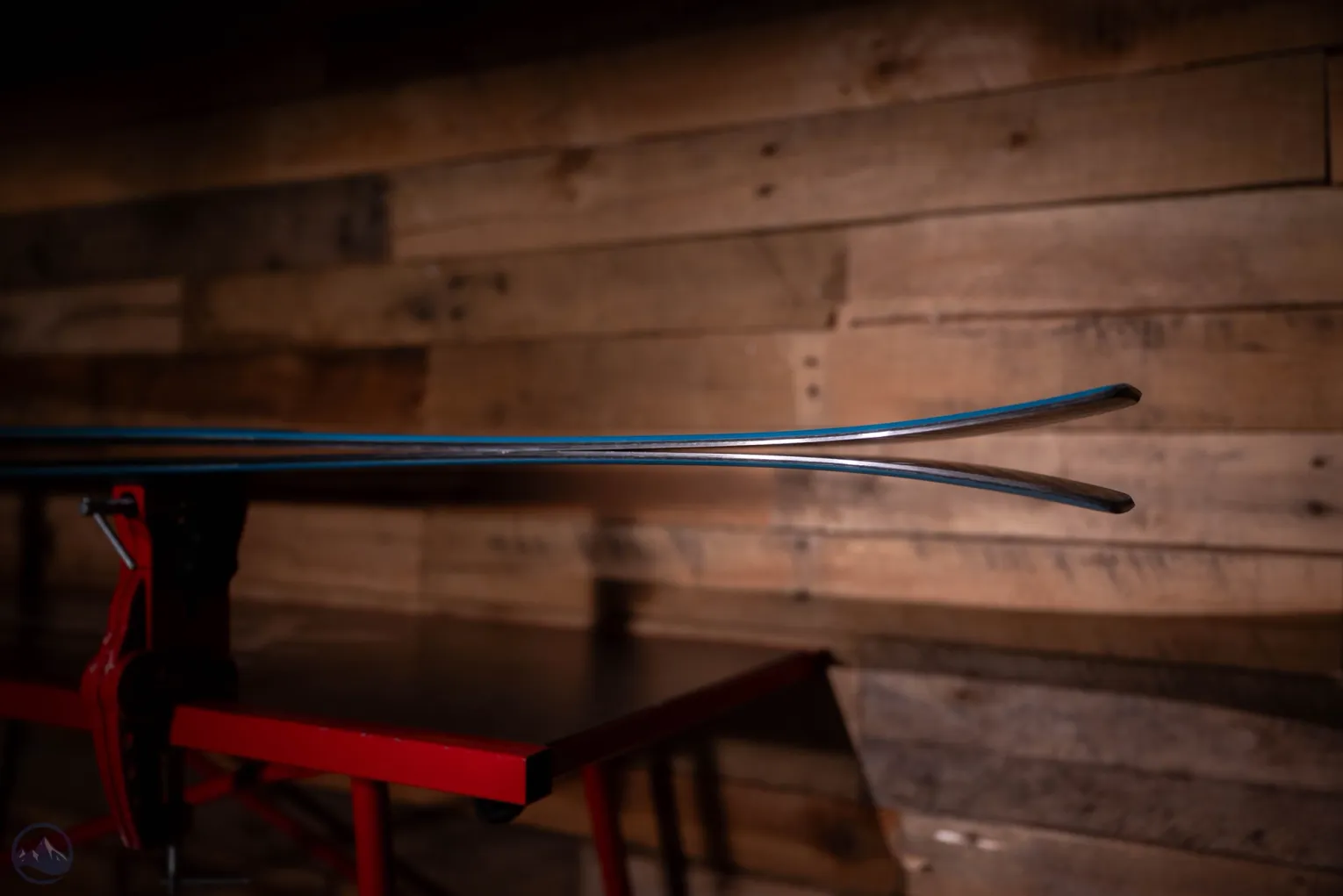

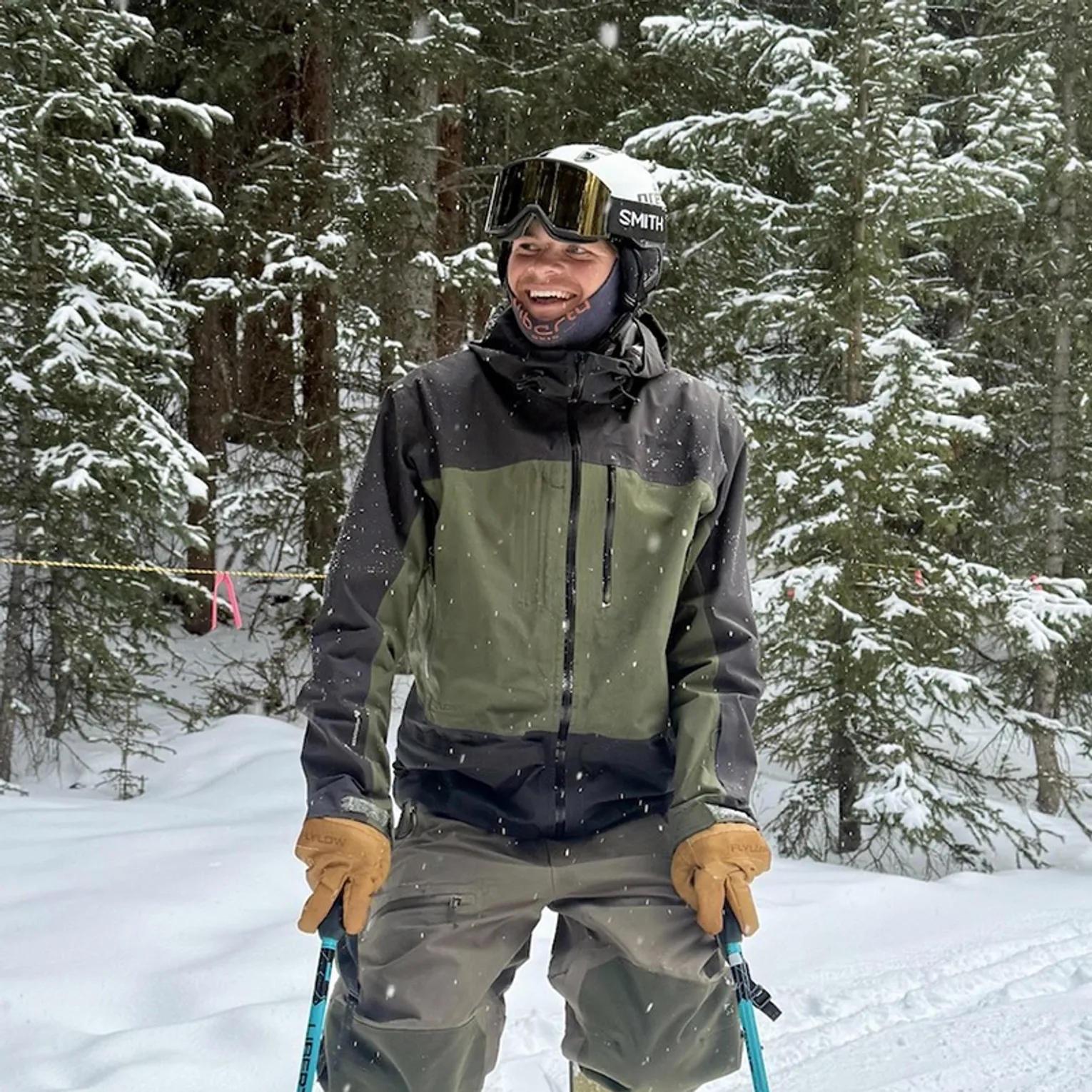
Built with DPS’s Full Carbon construction, we get a dual core here consisting of two horizontal layers of wood. On top, we get a layer of poplar and on the bottom a sheet of ash. These woods do a nice job of mixing lighter weight and sturdy feel and we’ve found that horizontal wood layers add to the smoothness and silence of the ski—something that most carbon-powered skis lack. But not these carbon-powered skis as DPS uses two full sheets of high modulus carbon and one carbon power plate underfoot. This use of carbon makes for a powerful and energetic ski and keeps the pingy feeling normally associated with carbon to an absolute minimum. Tester Sam Reed states: “I wish I had the chance to test these in deeper snow. On groomers and ice they were fine for a ski this wide, but they definitely got chattery at higher speeds and were a little hard to trust at higher edge angles. Overall a very agreeable ski, just out of their element. In the right environment, an intermediate skier would have a blast, but for more exploration of the mountain, advanced or expert would be better.” They’re still on the lighter side, with the 179 sitting on the scale at a stated weight of 1873 g/ski.
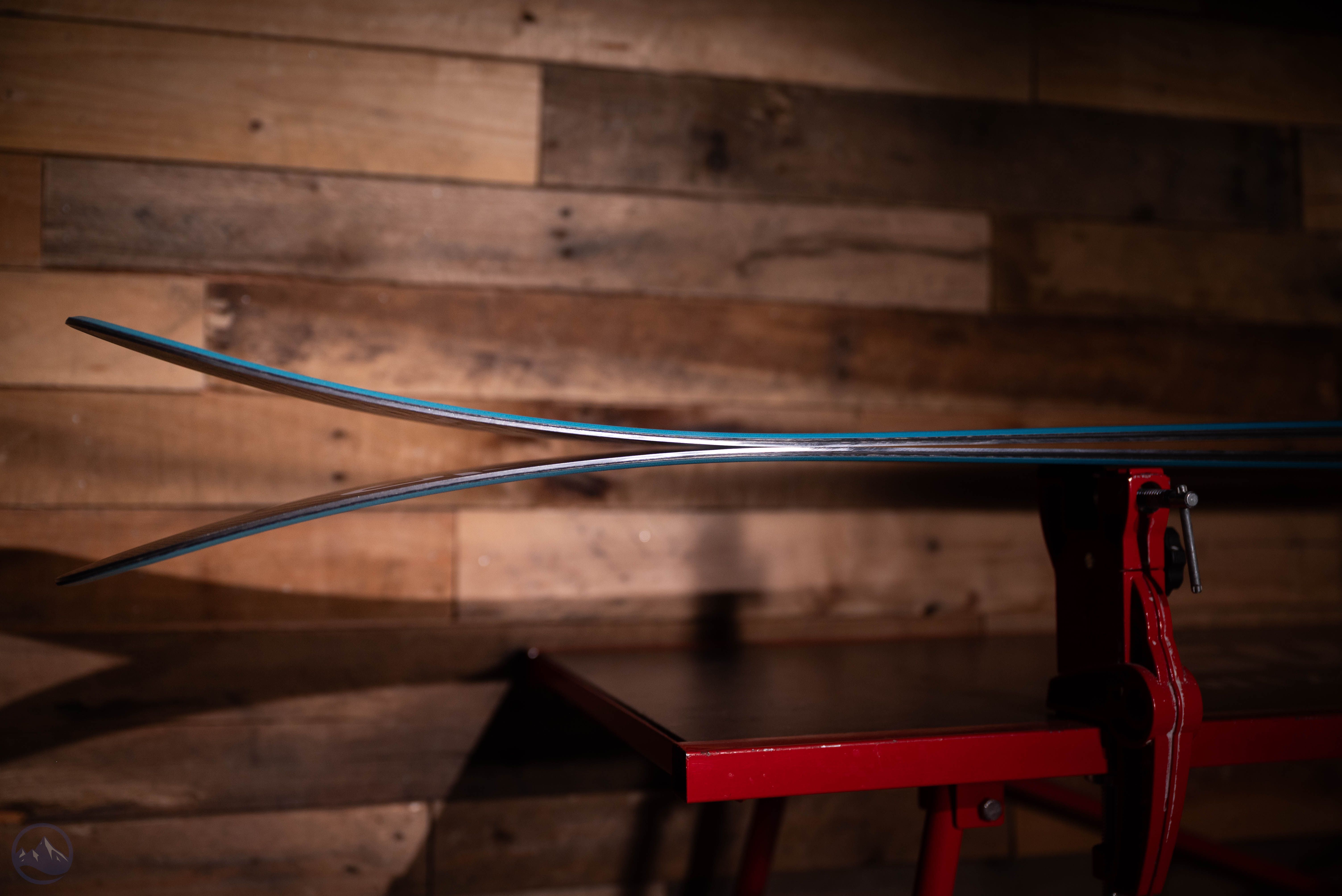
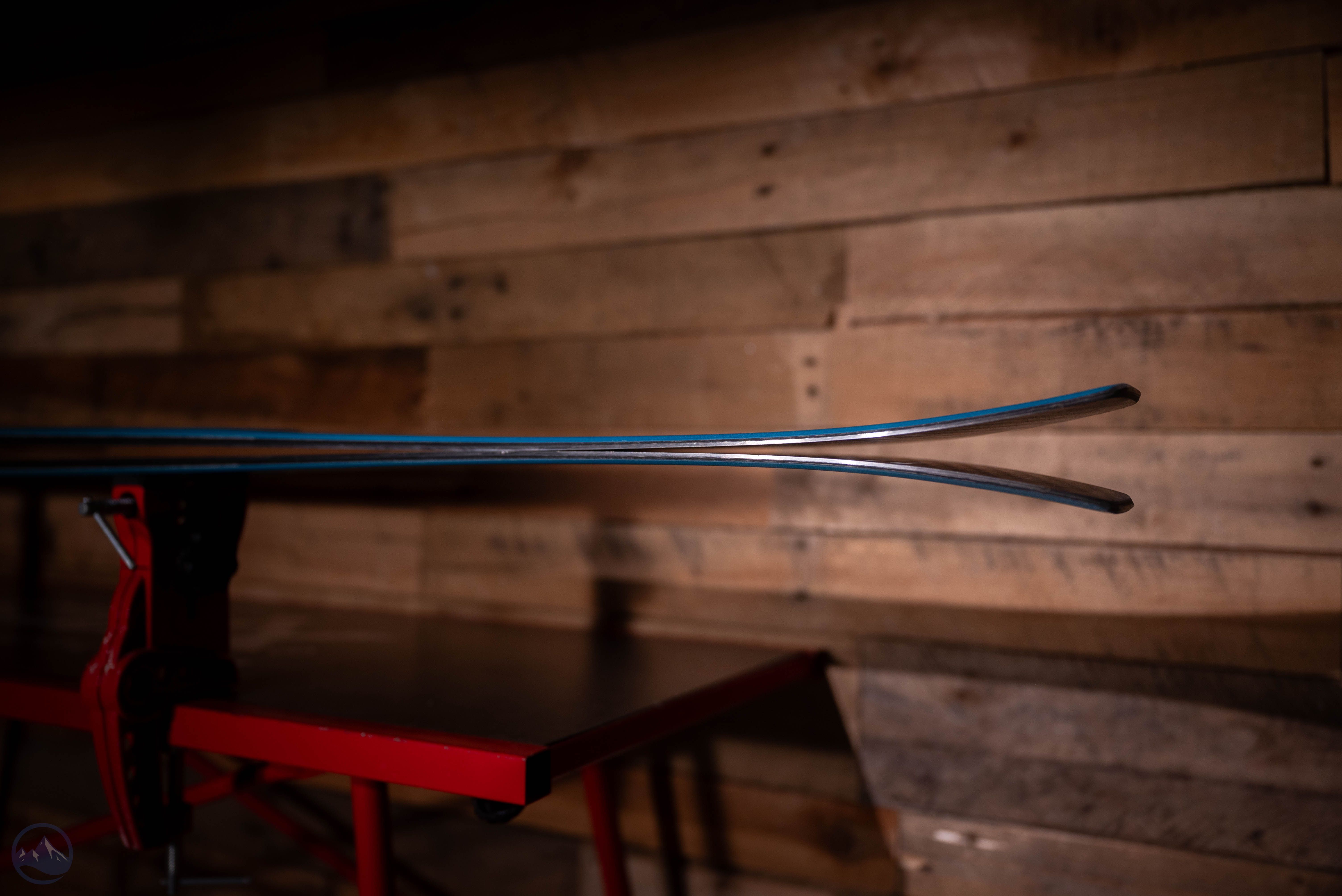
 The Rocker / Camber / Rocker profile of the 2027 DPS Kaizen 105
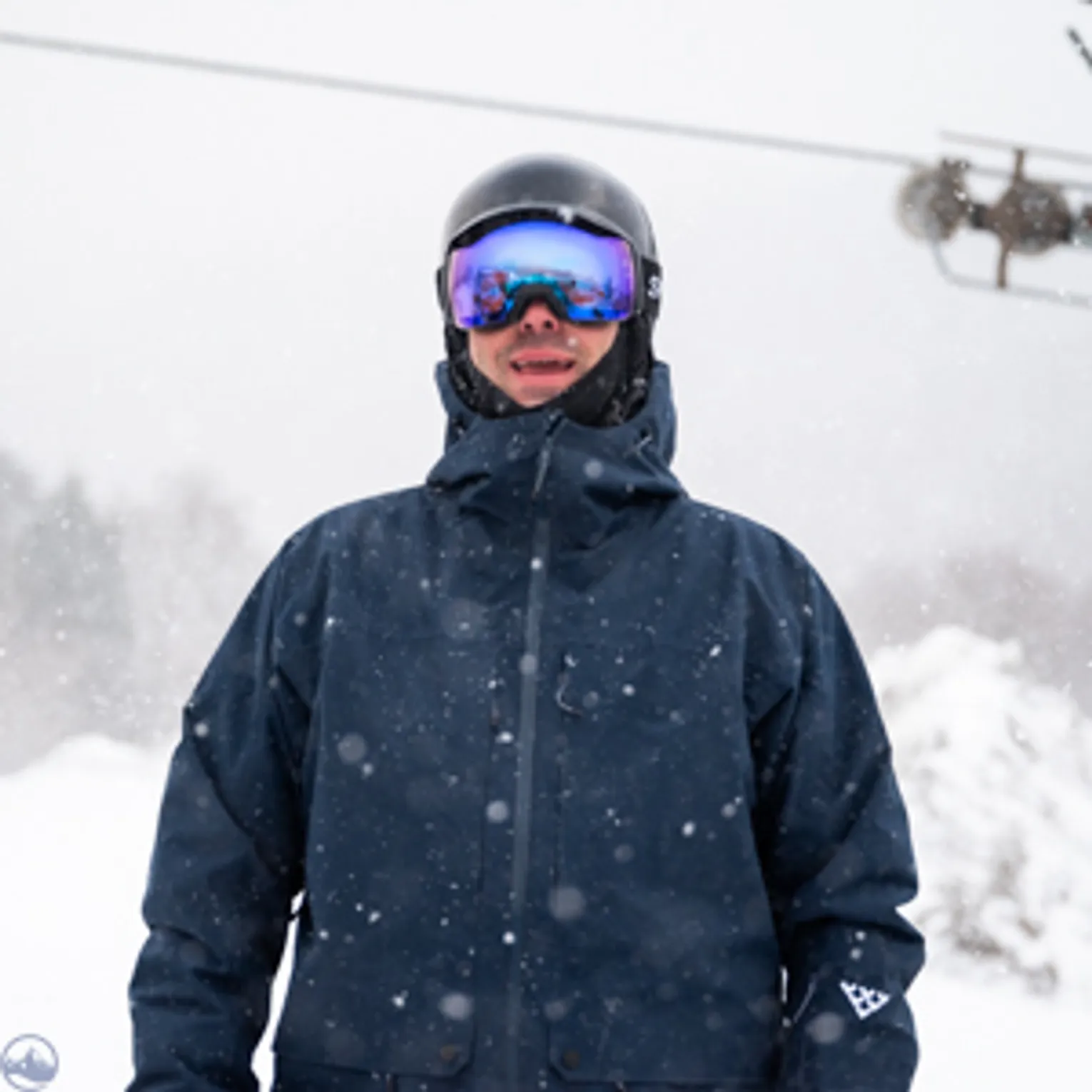
At 105 mm underfoot, these skis walk a fine line. Most skiers will find them too wide to be used in an all-mountain format, but they just operate so darn well in that realm that it’s tough to avoid. They also have a directional shape to be more freeride-based, so we do end up in the middle somewhat. The 105 uses a 60/40 camber to rocker split and we do get a dramatic taper shape here, especially in the tail. This makes for easy release and maximum agility in off-trail situations. The 105, as opposed to the 100, uses a straighter cut, with an 18-meter turn radius in all lengths. Tester Marcus Shakun notes that “This is a lighter in weight ski in this mid 100 category. With it being lighter, I was expecting it to be less predictable and not as stable but quickly changed my feelings. I was able to get this edge to edge quicker than most and stable at higher speed on hard snow surface. A ski 105 under foot would be more favorable in softer snow, but testing conditions didn’t favor that. It would be a great off-piste in the woods with its lighter quicker feel. It did ski well in the pushed around sugary granular snow on the edges of the groomer. Held a good edge on the hard surface underneath as well.”
This is more of an advanced and expert level ski as it doesn’t have a whole lot of ease of use due to the precision. This ski wants to turn and if you don’t let it, the Kaizen will continue on without you. That’s kind of the way carbon works in skis—you have to be on them in order to maximize performance.
- Ability
- Advanced
- Height
- 5'9"
- Weight
- 210
- Days / Year
- 80-100
- Age
- 43
- Years Skiing
- 25 years





Explore More



