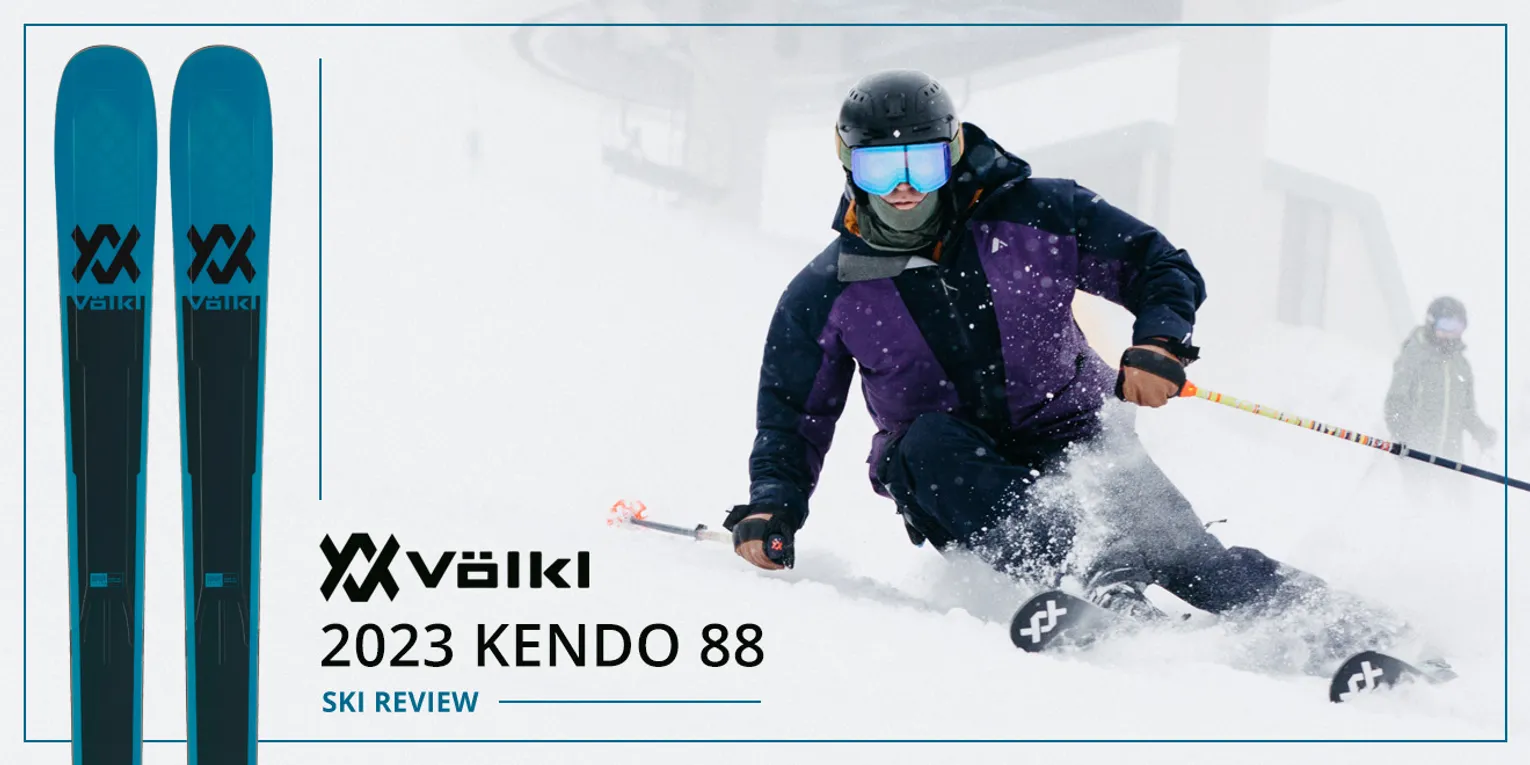
2023 VOLKL KENDO 88 SKI REVIEW
Volkl has always been known for their premium products, high-level engineering, innovative technology, and very precise skis in their overall characteristics on snow. This is not surprising given their 100-year legacy of producing skis in Germany. Like my favorite automobiles, those German’s sure know how to pay attention to the details. Last season, Volkl announced the new M6 Mantra, which took the already-great M5 and tweaked it into an even better, more-refined ski. When we saw it, skied it, and talked about it, we couldn’t help but speculate, and even anticipate, those same changes in the Kendo 88.
And here we are! About a year later, after overwhelming public approval of the changes to the Mantra, we get a new Kendo too! I was lucky enough to see it and test it for the first time in beautiful Sun Valley, Idaho. Maybe you saw us out there on social media. Maybe you also anticipated the ski we focused on would be a new Kendo. Volkl sure picked a great spot to introduce it, as the nearly 3,000 vertical foot runs at Sun Valley provide ideal, and seemingly endless, testing terrain. Of course, we’ve had it here in Stowe too, as there’s nothing that demands full capabilities out of a ski quite like demanding east coast terrain.
AT A GLANCE
|
|
2023 VOLKL KENDO 88 SKIS |
|

AVAILABLE SIZES |
TURN RADIUS |
SIDECUT |
CONSTRUCTION |
|---|---|---|---|
163, 170, 177, 184 cm |
29 m / 16 m / 25 m @ 177 cm |
129 / 88 / 113 mm |
Tailored Titanal Frame & Tailored Carbon Tip |
Before we get into performance, let’s look at some of the changes to the Kendo 88 for the 2022/23 ski season. There are three major elements here. First is Tailored Titanal Frame. If you’ve watched or read our M6 Mantra review, you’re going to be familiar with 2 out of 3 of these elements. Tailored Titanal Frame is an altered shaping of the upper metal laminate compared to the previous Kendo. Instead of a consistent width through the entire ski, the Titanal Frame is thicker, or rather wider, closer to your foot, then tapers to a thinner layer of metal as it wraps around the tip and tail. The thinner portion of metal is essentially the same length in each length option of the ski, which means the wider, thicker portion of metal changes per length. This allows Volkl to custom tailor the performance of each length to match the skier who’s going to be choosing it. It’s very noticeable too. I bounced back and forth between the 177 and 184 during our time in Sun Valley and could certainly feel a difference.
Then there’s the Tailor Carbon Tip. This specifically engineered grid—or web—of carbon in the tip of the ski provides a few different benefits. First, it’s increasing torsional stiffness and responsiveness in the tip of the ski. After taking some metal out, it’s nice having that carbon in the tip as it retains, or even improves upon, the torsional stiffness and initiation phase of the outgoing Kendo. Also, because the metal has essentially been replaced by carbon, swing weight feels quite a bit lighter. There’s only about a 100 g (or less) difference in weight between the 2022 Kendo 88 and 2023 Kendo 88, but it feels like it could be more when you ski it. The last benefit of the Tailored Carbon Tip (at least the last we’re going to talk about, I’m sure Volkl engineers could keep going), is the buildup of energy. There is noticeably more energy in this ski compared to the previous version. Or maybe it’s just that the energy is more easily accessible… Probably both, to be honest.
The last thing we want to point out about this Kendo overall before we dive into performance is turn radius. We still get the 3D Radius, which was featured in the previous ski, but Volkl has dropped 1 meter out of the center radius of the ski. The 177 cm, for example, now has a 16 m turn radius underfoot, down from 17 m in the previous ski. It might not seem like much—there’s not a huge difference between 16 and 17 on paper, but you sure can feel it.
On to performance! If you watch our ski reviews or Comparison Series videos, you’ll know that we have always viewed the Kendo 88 as one of the most precise skis in its category. That category consists around-90-mm all-mountain skis, but you can also narrow down that field of skis to just 90 mm skis with metal. Among those skis, it has always been one of the best, one of the most precise, and one of the most rewarding skis on a groomer. There are skis that feel looser and more agile in soft snow, but the Kendo has always been right there among the cream of the crop on groomers. This new ski is 100% solidifying that position. It feels even more precise now. It feels more refined. It just feels better, and if I had to point to one reason why, I feel that it is a more rewarding ski experience overall. It just makes me smile more than on the previous ski. The 2023 Kendo 88 is more rewarding in every application than last year’s version. It might not be a huge difference, but it’s noticeable, which is exactly the same reaction we had to the M6.
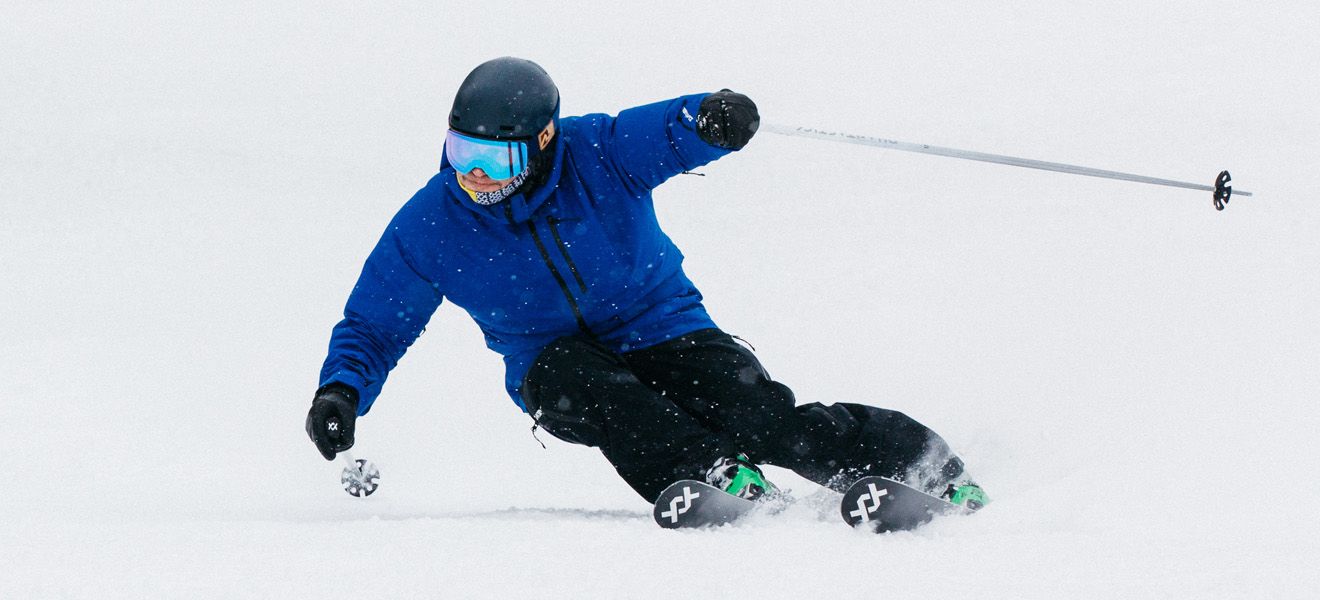
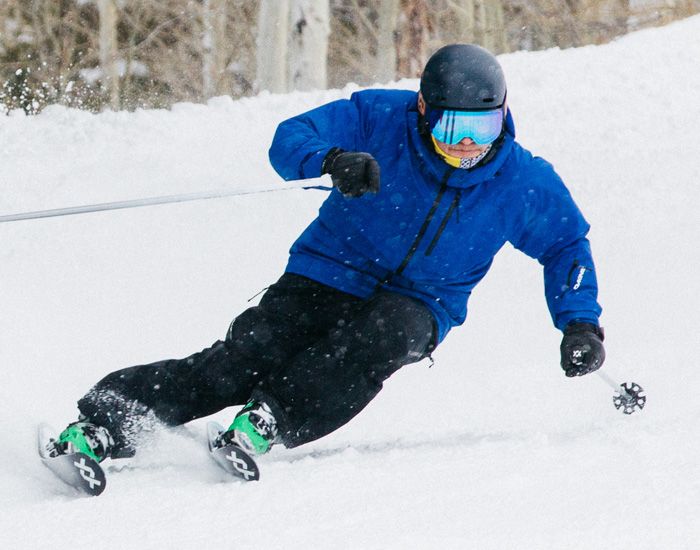
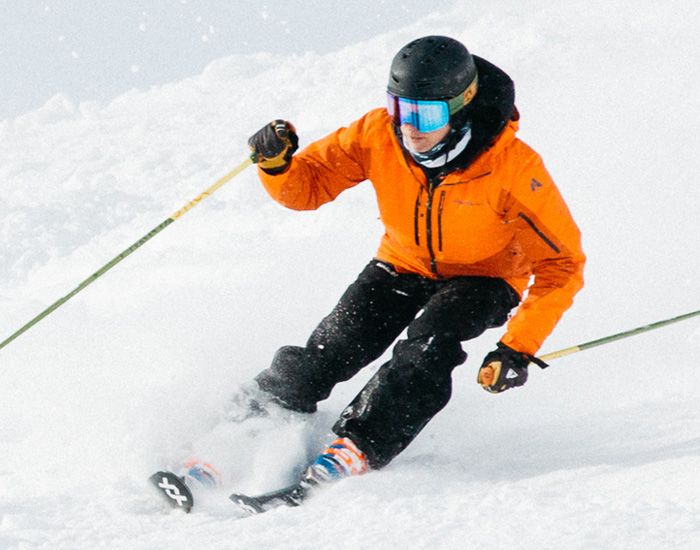
On groomers, the first thing I noticed about the Kendo 88 is how well it performs at more moderate speeds. Our very first run in Sun Valley was down a relatively mellow pitched run. My first thought as we pointed our skis down the fall line was “this is going to be kinda boring.” Not that the previous Kendo was boring, but I always found that it required some speed to really come alive. A couple turns down that mellow groomer in Sun Valley and I probably laughed out loud and had a huge grin on my face. What an amazing difference. Tip this ski on edge, give it even just an ounce of skier input, and it hooks up and goes. Not only does it just go, but it also comes back too. The responsiveness and the way it drives across the fall line is noticeably improved over the previous ski. I give a lot of credit to the shorter turn radius underfoot, although I know the Carbon Tip is adding to that phenomenon too. In the 177 in particular, dropping from 17 to 16 m made a pretty big difference in how quick the ski feels, and I really, really enjoyed it.
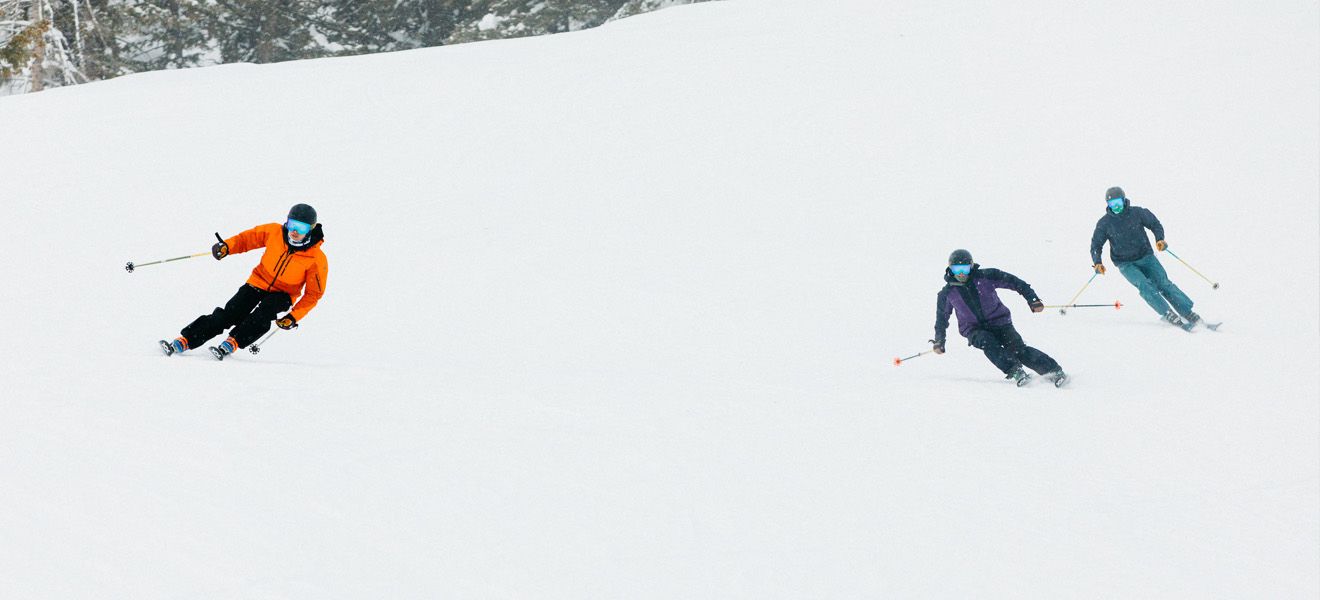
On this trip in Sun Valley, we had a fantastic group of skiers—lots of people from different backgrounds, with different skiing styles, and who viewed the mountain differently. It was valuable hearing the feedback and impressions from all the different types of skiers. All of them felt the same change in accessibility and how easy it is to access the energy and potential of the ski now. Of course, being a Kendo 88, I wanted to make sure that when improving those characteristics, Volkl didn’t take anything away from the top-end capabilities of this ski. I grabbed two skiers with race backgrounds and asked if I could point a camera at them, knowing that if they were on camera, they were going to ski hard. One was Gordy Megroz, the other Pete Hustis. Those guys both know how to arc a ski and it was a pleasure watching them lay it over. Not once did either of them comment on any lack of edge grip, any lack of stability at speed, or anything that would make me worry about the capabilities of the Kendo. I had been skiing the 177 through most of the day, but as everyone went into lunch, I took a solo, high-speed run on a 184. I didn’t see any limitations watching them ski it, but I also wanted to confirm for myself. Consider that confirmed. If you want to ski stupid fast, it can still do it. The way that Volkl retained that ability, while improving responsiveness, accessibility, and fun-factor is probably the most impressive thing about these new skis.
If you’re unaware, Sun Valley is having one of their best snow seasons over the past couple decades. Not only were we treated to long, perfect groomers, but we also got to ski some relatively deep snow too. This was valuable testing for the Kendo 88, as at that width, it’s positioned as an all-mountain ski, not just a firm snow carver. By taking some mass out of the tips and tails, Volkl has made the Kendo easier when you take it off trail. I would still say that it’s not the easiest in its category, but it’s noticeably better. The biggest difference to me is how much less effort it takes to flick it around. We skied some relatively tight trees, and I did it on the 184. In the previous ski, I could’ve done it, but I think I would’ve been pretty exhausted. In the new Kendo, sure it still took some work, but I was definitely less fatigued. I stopped to think about that a few times… the level of precision you get on a groomer, with the ability to ski deeper snow and off-piste terrain, is quite impressive.
Back here in Stowe, we realized that if you want it to snow a lot, apparently all you need to do is buy a Kendo 88. We had a test day planned for today (Monday, January 17), so Bob could log a few more miles on it before we film the in-studio review, and sure enough, we got the best powder day of the year. Watching Bob cut through the fresh snow on the Kendo, lay over some carves, then bounce around in lower angle terrain getting the ski to wiggle around really confirmed all my thoughts about this new ski. He felt the shorter radius too, he loved the responsiveness, and when I asked him just now if he had anything he wanted to add for the written review, he turned around and simply said, “it’s wonderful!”