2024 Line Chronic 94 & Chronic 101 Ski Review
The Line Chronic has been a staple in the park community for a long time. A go-to choice for skiers who think outside the box, it has always been a ski that excels both in and out of the park. 2024 marks a major change in the history of the Chronic, at least it does in my opinion. Perhaps representative of Line’s evolution as a brand, there’s more engineering and technology behind these new skis. It’s not just a simple sandwich construction ski with vertical sidewalls, but it’s also not not that. How Line has blended simple ingredients with complex methods of combining those ingredients feels refreshing compared to some manufacturers that just keep adding more stuff. Stuff always sounds cool, but if it’s not necessary, it’s just adding production costs which are then passed along to you in the form of a higher asking price.
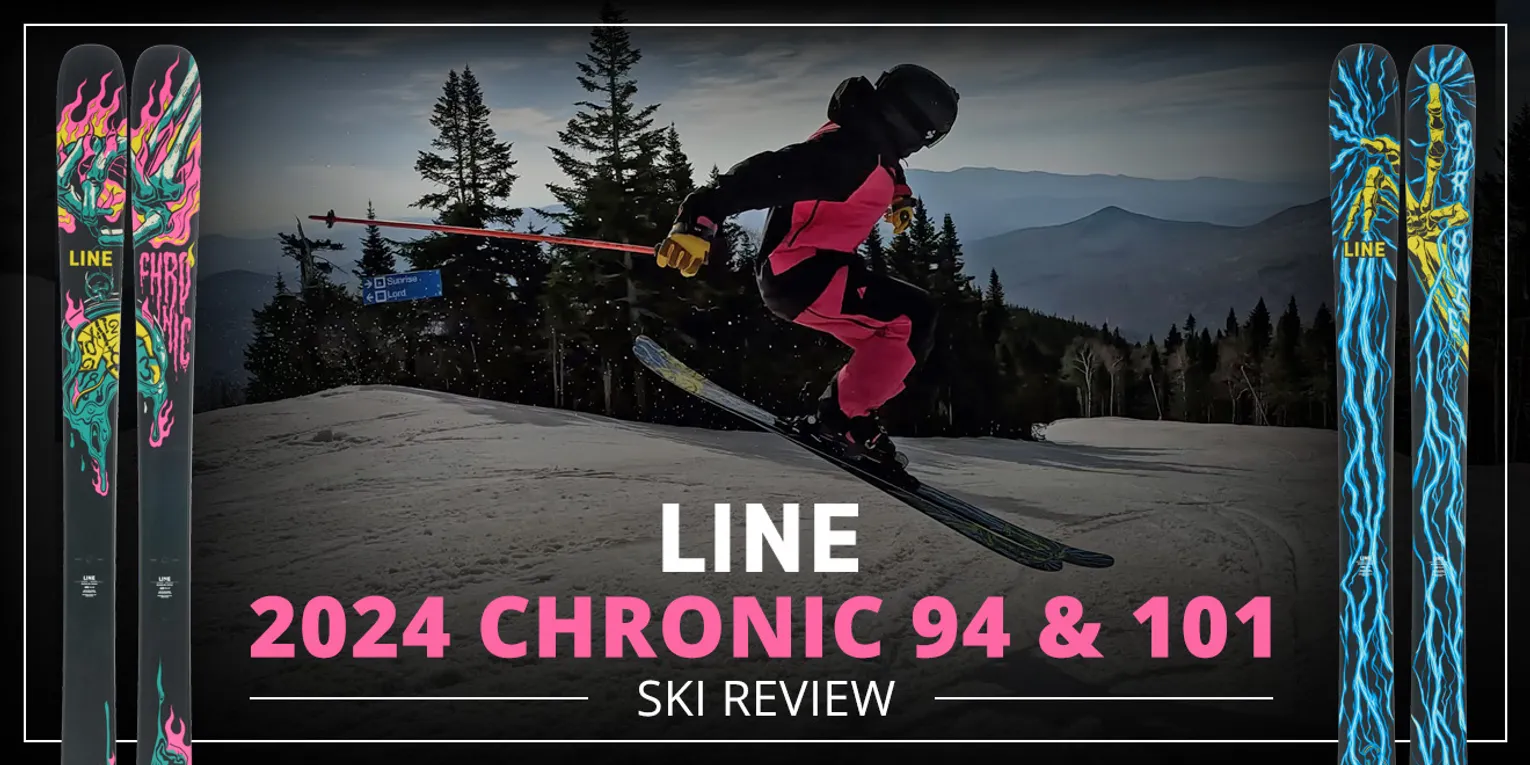
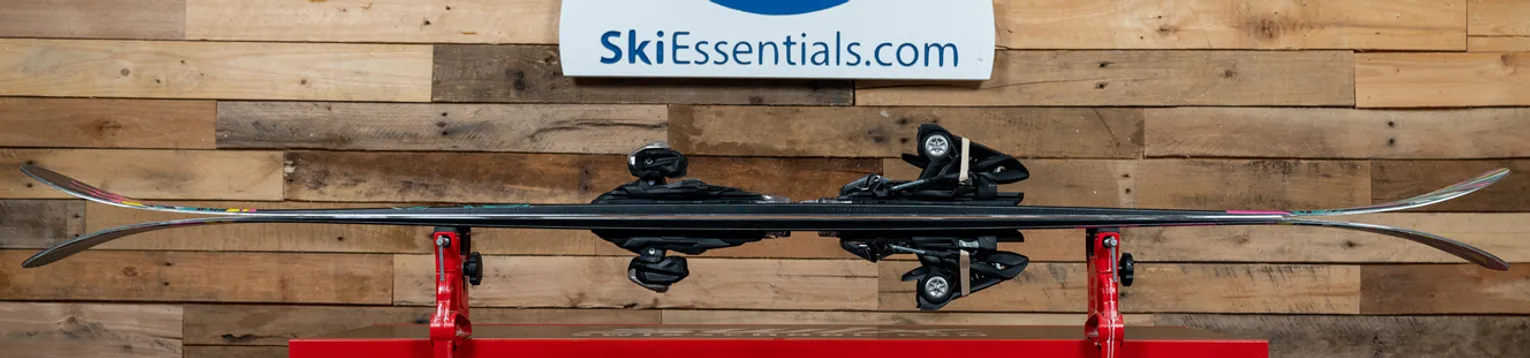
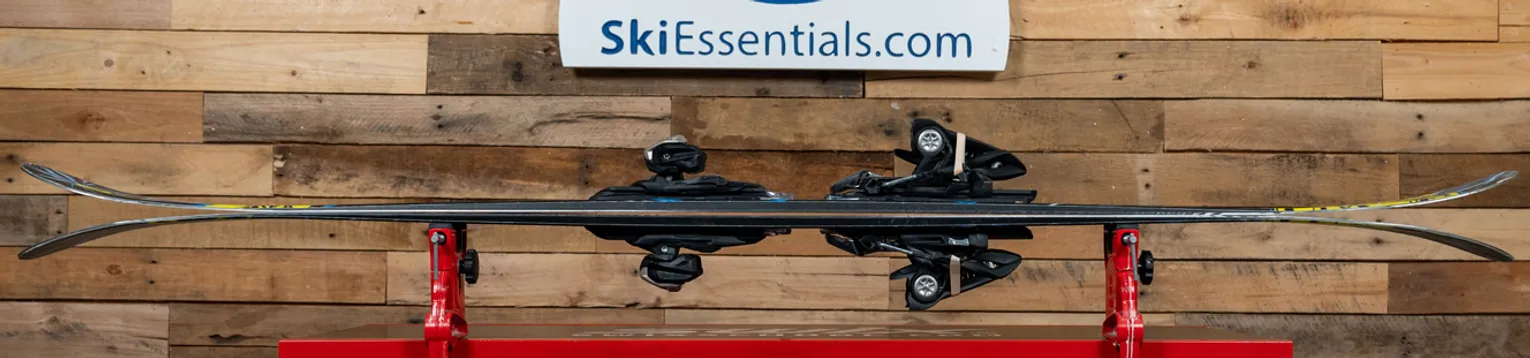
Before we get into construction, it’s important to note that what once a single ski, the Chronic, is now two skis, the Chronic 94 and Chronic 101. The 94 is quite close to the previous ski, which came in at a 95 mm waist width, so it’s almost like they just added a width, but there are plenty of other changes too when we look at shape. The rocker profile has been lengthened compared to the outgoing ski. The tips and tails also have a more spoony shape. Even in the 94, there’s definitely more surface area in the tips and tails thanks to long, progressive early taper. There’s a little bit more tip rocker than tail rocker, which is supported by a -4 cm mount point, but it’s symmetrical enough that you could push that forward and mount it true center for pure park application. As a whole, the new shape can be described as a very modern freeride/park twin tip. It’s going to provide good float, good turn initiation, and a relatively balanced feel for jumps, rails, skiing switch, etc.
At a Glance:
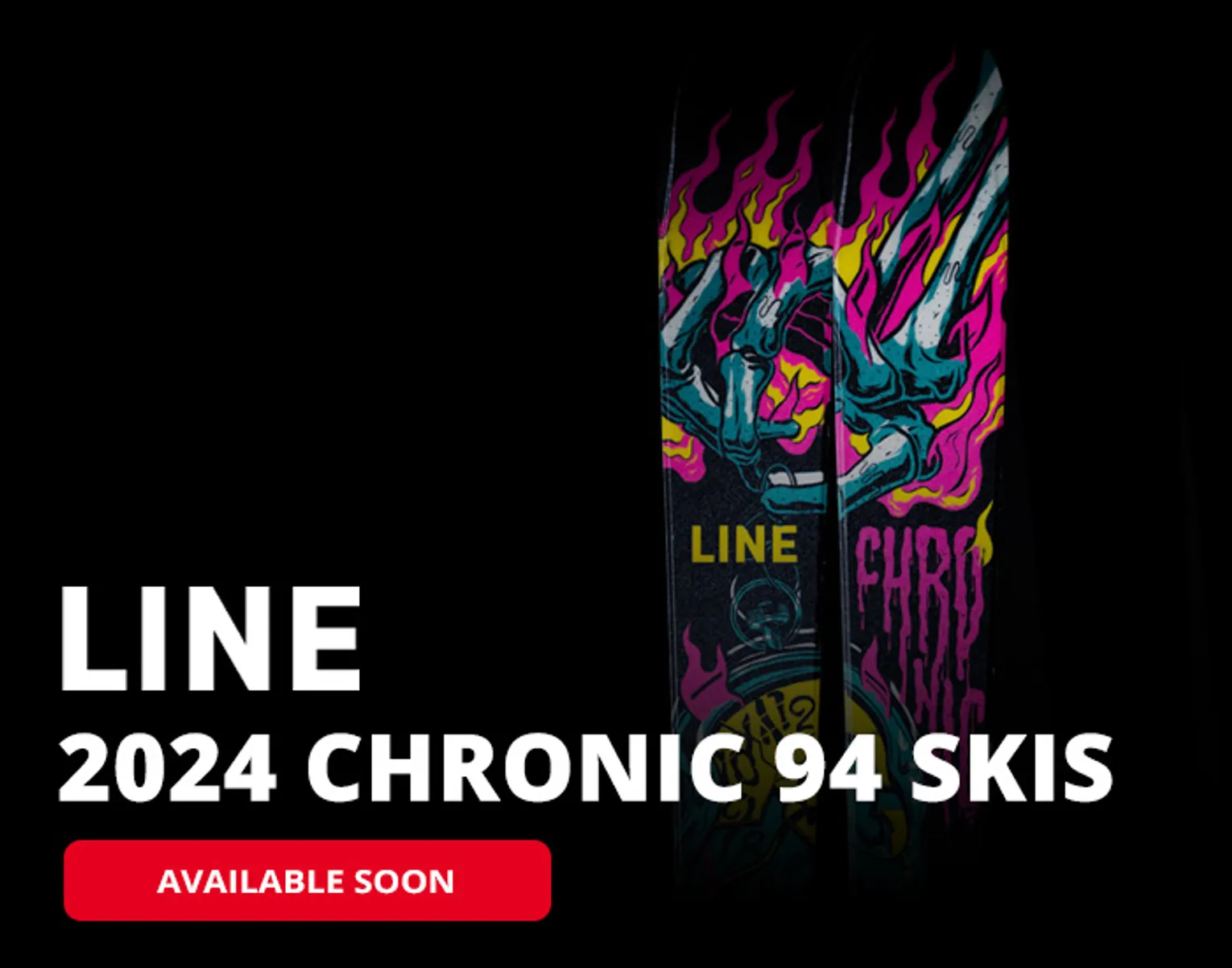
2024 Line Chronic 94

| AVAILABLE SIZES | TURN RADIUS | SIDECUT | WEIGHT | PRICE |
|---|---|---|---|---|
| 164, 171, 178, 185 cm | 16.3 m @ 178 cm | 123 / 94 / 117 mm | 1,920 g @ 178 cm | $549.95 |
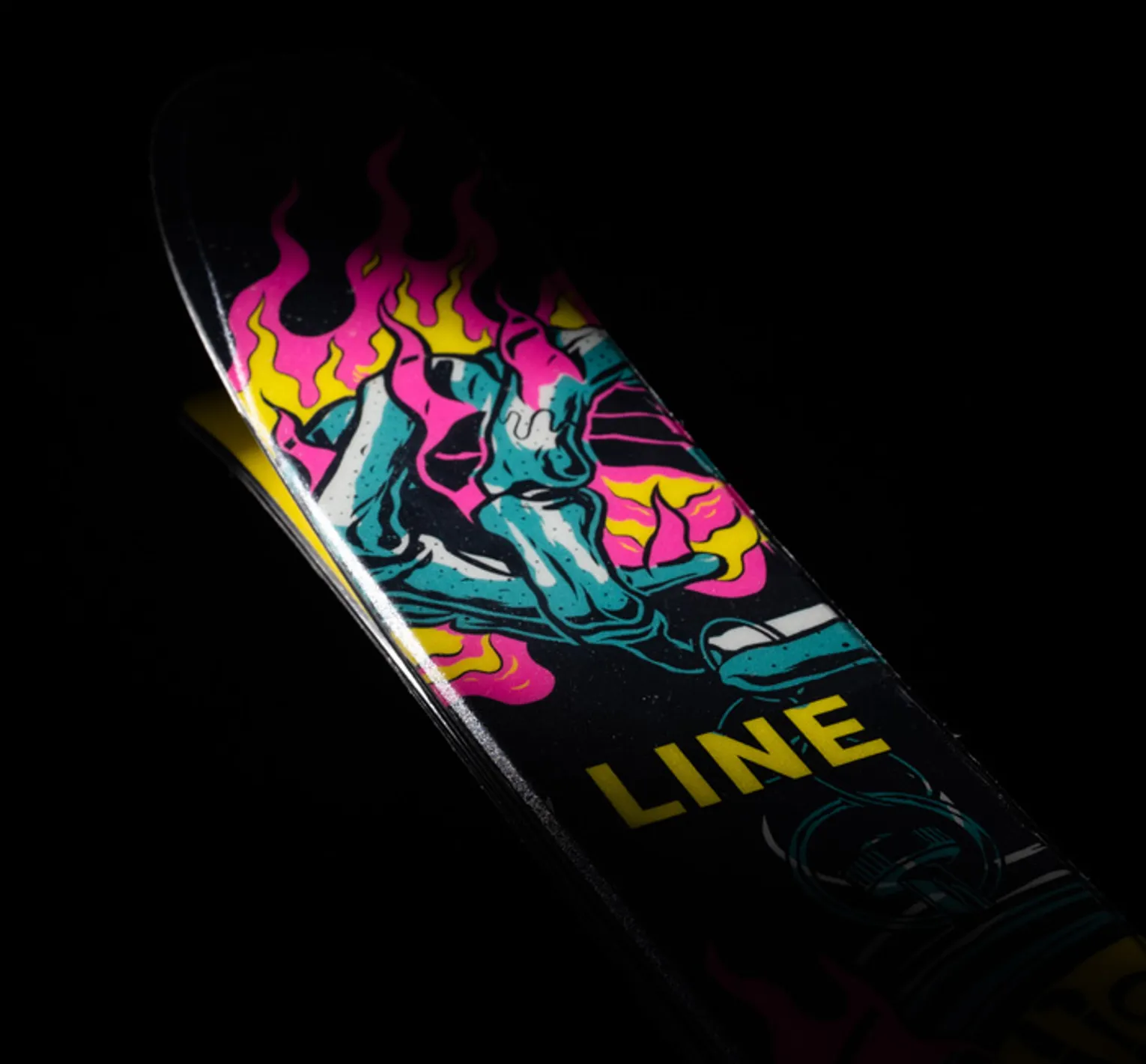
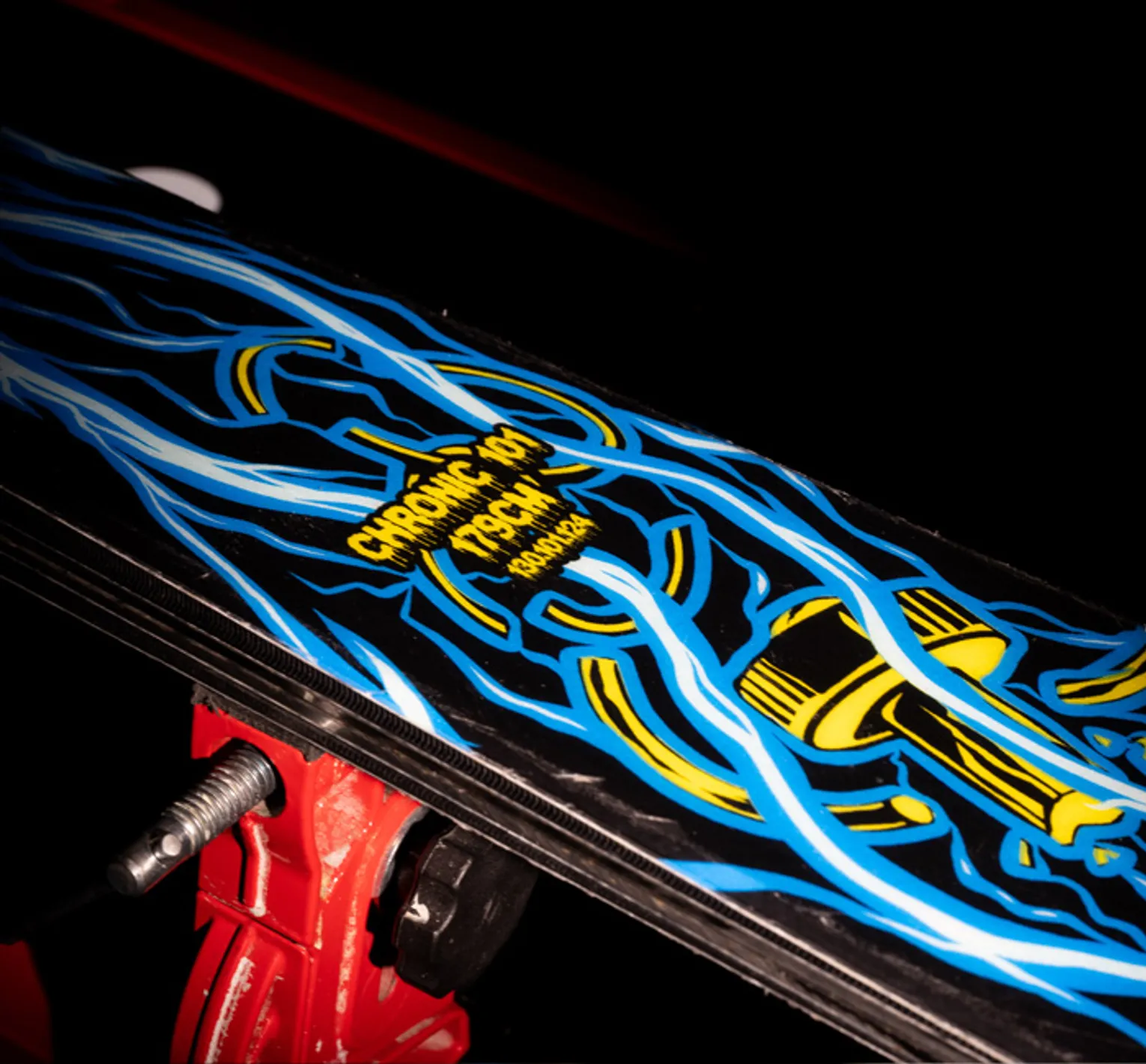
Then there’s the updated construction, which is simple and complex at the same time. Line uses an Aspen Veneer wood core pressed in sandwich construction style with their new Bio-Resin (shared with K2), a Thick-Cut sidewall, and finished with Capwall Construction. Essentially, a vertical sidewall underfoot tapers and eventually becomes just cap construction. Even underfoot, there’s a bit of rounding to the topsheet of the ski. That Thick-Cut sidewall goes a long way in improving durability underfoot for rail impacts and other potential damage. Line then takes durability to a new level with their Thin Tip technology. This is easily the most striking new feature on these new skis. It’s extremely attention grabbing, actually. Skis aren’t usually that thin. It kind of reminds me of the old Carbon Nose on the now-outdated Ranger 102 FR (the pink ski). It’s quite different, however, as instead of adding a new material in the tip, Line is basically just removing everything except the fiberglass, topsheet, and base. They describe it as glass-on-glass bonding, which is considerably stronger than typical construction. The idea here is to drastically reduce delamination in the tip from the classic tip slapping that can happen in the park. Land a bit in the backseat and your tips are going to physically slap against the snow. In 1998, when I was 12 and kind of an idiot, I think I broke 8 pairs of skis from landing backseat on icy Maine snow. While construction has improved significantly from then, it still happens quite a bit, and I like that Line is taking strides to counter that. They have a really cool tip-slapping machine in their ARC Development center, so you know it’s not just a gimmicky phrase to sell skis. They’re engineering and properly testing this stuff and it clearly works. In the event that you do get a delam in the tip (even Line admits it’s still possible), the fact that it’s not delaminating straight to the core means you’re not damaging the most important elements of the ski. You’re not slowly ruining the structural integrity of the core by allowing moisture to get in there, which is great. We actually see some of it happening on our test ski. The tip is chipping a bit, but not delaming, which is super cool to see happen in real time.
At a Glance:
2024 Line Chronic 101

| AVAILABLE SIZES | TURN RADIUS | SIDECUT | WEIGHT | PRICE |
|---|---|---|---|---|
| 165, 172, 179, 186 cm | 16.6 m @ 178 cm | 130 / 101 /124 mm | 2,030 g @ 178 cm | $649.95 |
Moving on to performance, Line has improved the performance of the Chronic across the board. Compared to the outgoing ski, these are better in every single way. On-piste, the skis make cleaner, rounder, more rewarding turns. They certainly aren’t the world’s strongest carving ski thanks to very soft flexing tips and tails, but they also don’t lack torsional stiffness underfoot. You can’t expect too much out of the tip when initiating a turn, but ski them mid-footed and with a balanced stance, and they do just fine. Certainly more rewarding than the outgoing ski. They’re also easy to manipulate into different turn shapes and styles. Edge release is super easy thanks to the longer rocker and progressive early taper. Line also puts in their 5-Cut sidecut, which basically uses 5 different radii in different portions of the ski. They don’t list out what those are, but you can feel it when skiing it. It’s easy and intuitive to play around with different turn shapes. Obviously, the 94 is quicker edge to edge than the 101, so fair to say it’s the superior on-piste ski, but the 101 does just fine. It’s an interesting comparison to the new Elan Playmaker 101 and ARV 100. Probably closer to the ARV overall, as I’d say the Playmaker feels a touch more precise on initiation, while the Chronic feels looser. Makes total sense when you consider the background and heritage of those companies. If I had to guess, I would guess that Line would have the “surfier” ski, and I think that’s true. More similar than different, at least among all the skis in the world, but certainly still different.
Off-piste, the differences between the outgoing Chronic and these new skis is even more apparent, especially in the 101. Even the 94, however, does far, far better in soft snow. The new tip and tail shape boosts float, while Thin Tip reduces swing weight. They feel like they have more float, while also being easier to flick around and maneuver. The same is true with both on and off-piste skiing, however: they’re not the strongest skis in the world from a stability-at-speed perspective. There is a noticeably stiffer flex underfoot, but the soft, rockered tips and tails take away some ability to just point ‘em down the fall line and let it run. Makes total sense to me, as Line has the Blade Optic series, which is way more geared towards speed and aggressive skiing. Chronic is to playful as Blade Optic is to stable, or something like that. However you want to slice and dice it, it’s very evident to me that Line has improved the all-mountain capabilities of these skis.
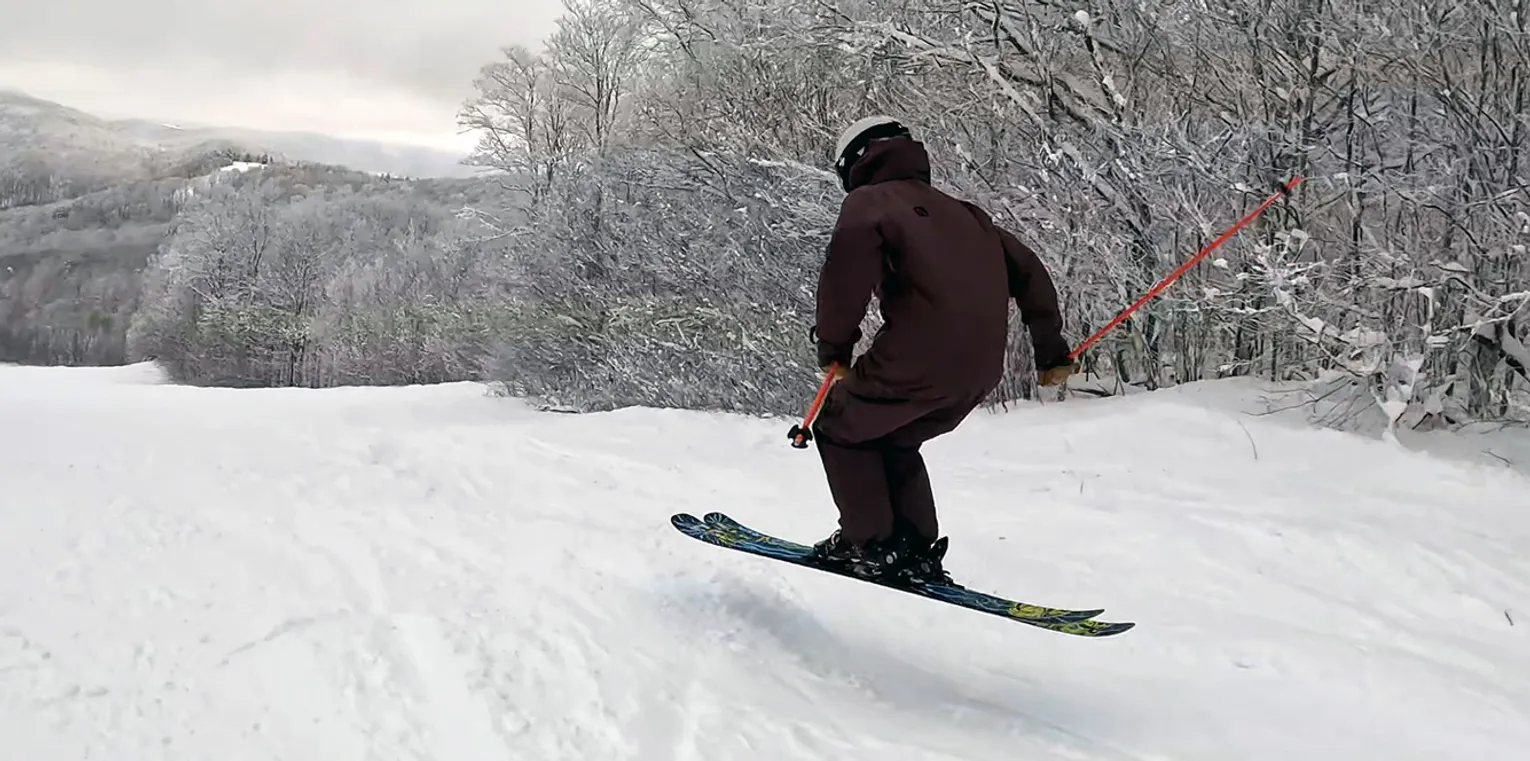
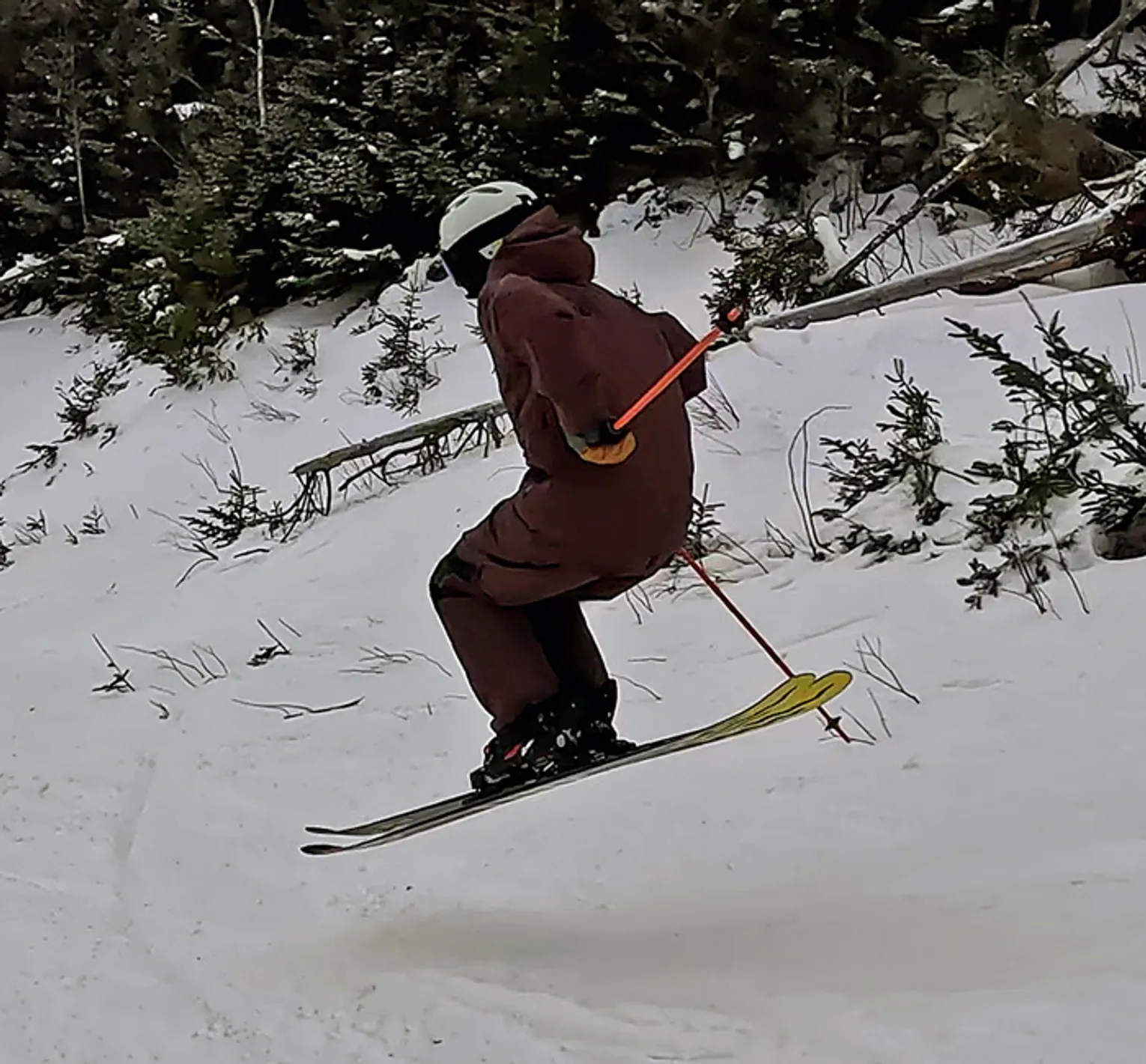
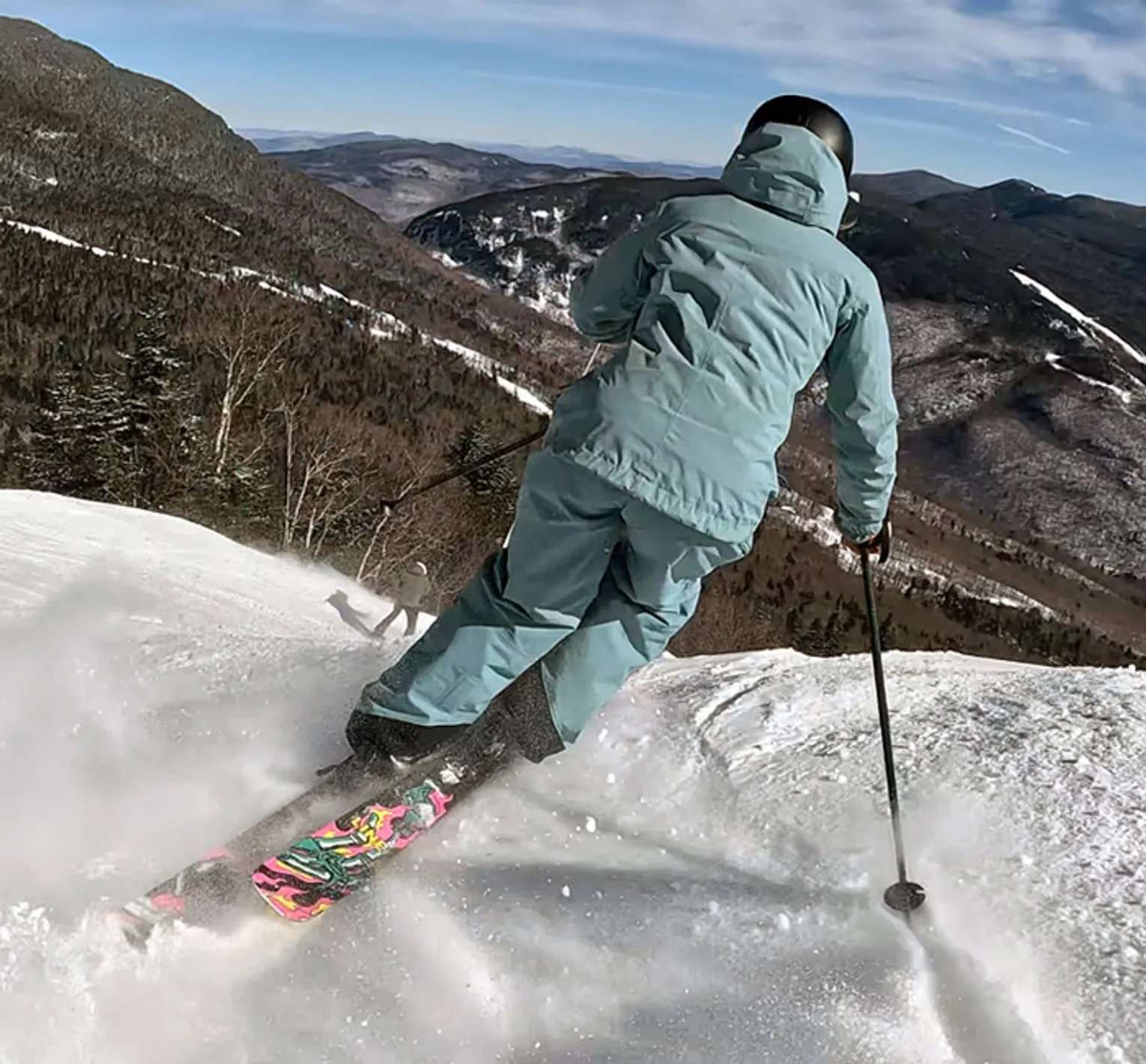
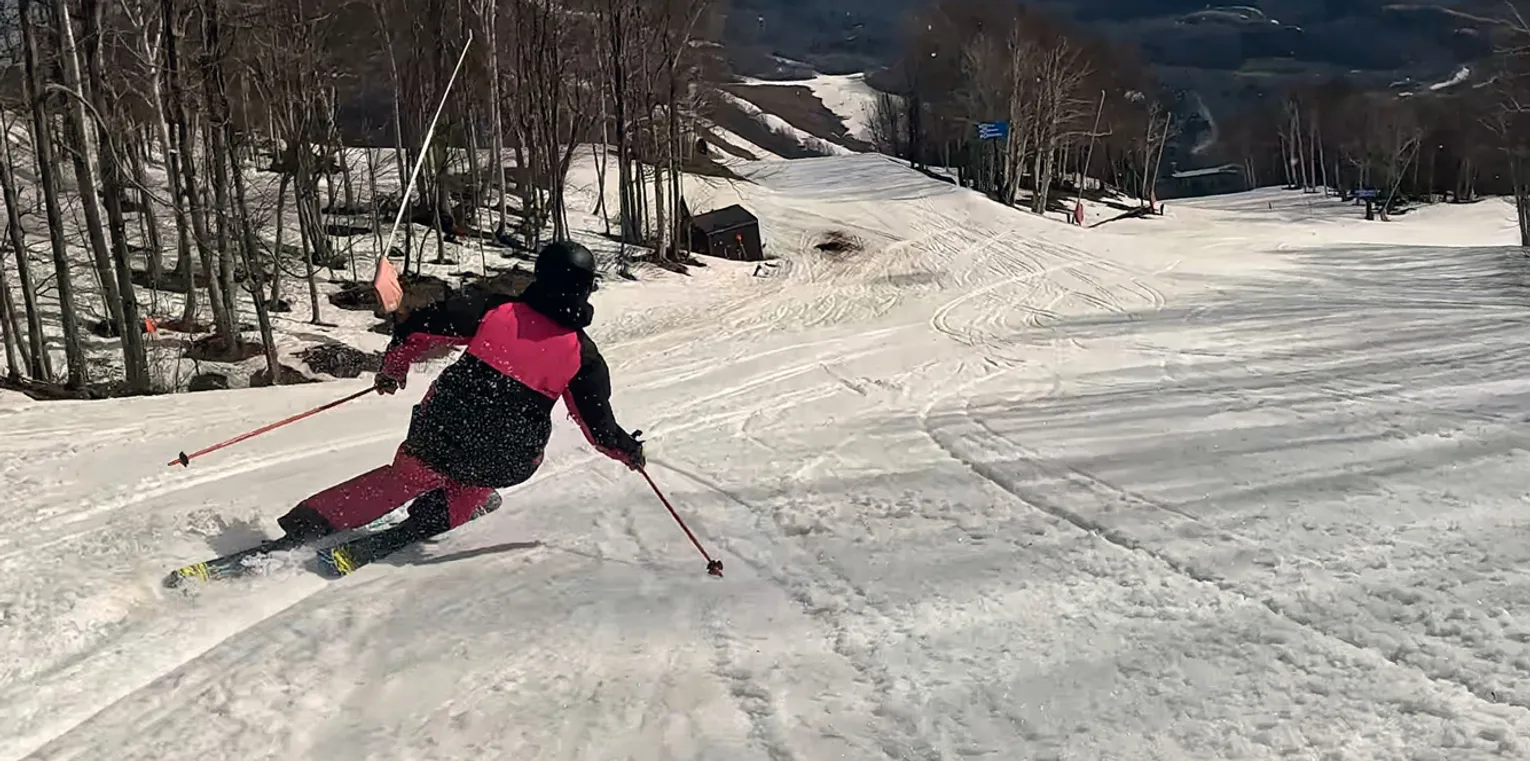
Which leaves park performance! If they improved all-mountain characteristics at the cost of park performance, I would have to say that would be somewhat of a failure due to the positioning of this ski in the industry and its history among park skiers. Thankfully, that’s not the case whatsoever, which maybe is the most impressive thing about this whole situation. They’re better in the park too. The 94 is especially good being a little quicker edge to edge. I didn’t get to slide a ton of rails on them or anything like that, but enough to know they’re going to work great. It still aligns with the same skier as the previous Chronic. You’re probably not competing and you probably care about style more than the degrees of rotation on your last trick, and the Chronic is still a perfect ski for that type of skier. Very easy to ski in the park, extremely catch-free on takeoffs and butters, but with the stiffer flex underfoot on these new skis, you can go a little bit bigger with more confidence than on the old ski.
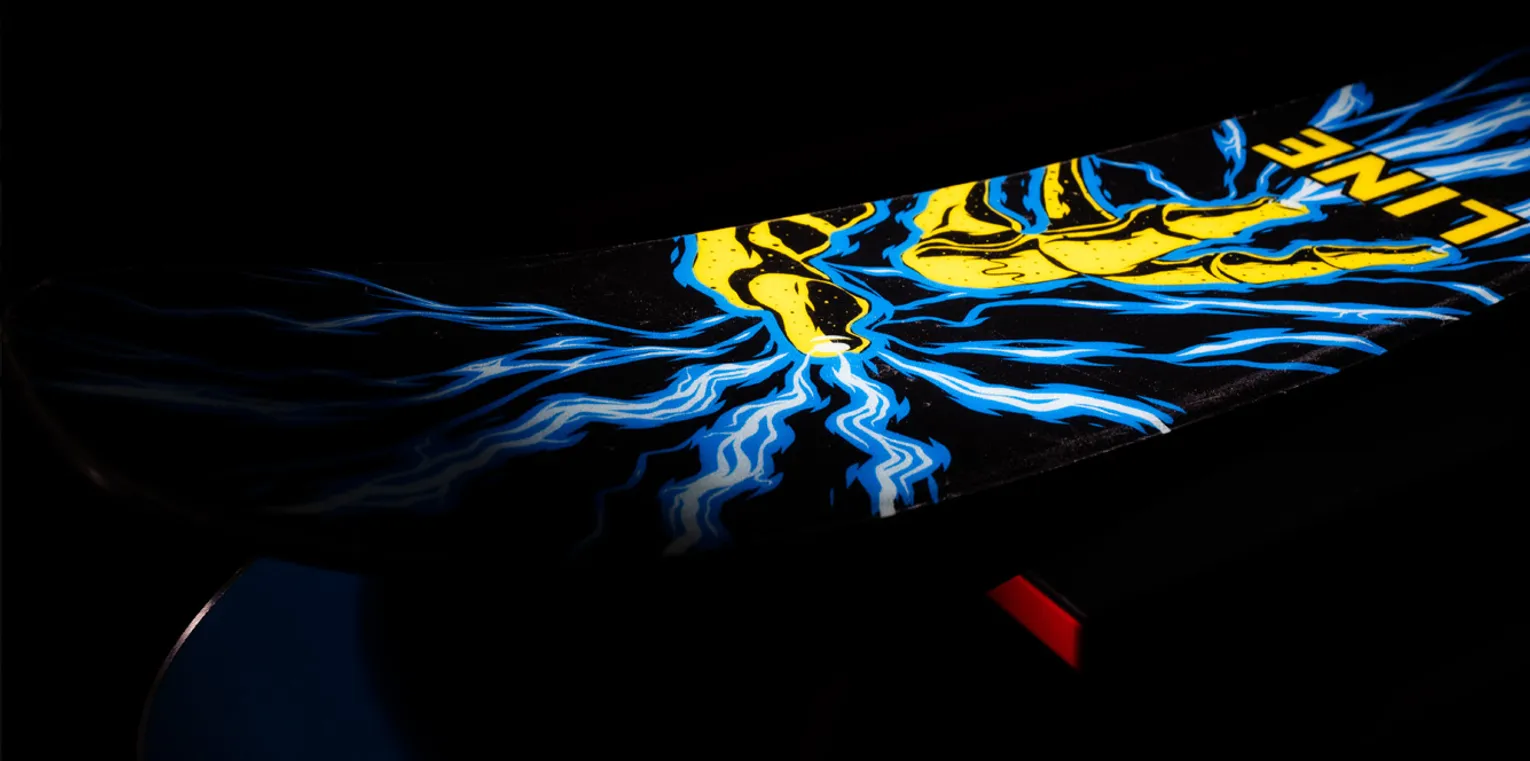
I think it’s fun to think about who should choose the 94 and who should choose the 101. It’s not as black and white as you might think; definitely not an east coast vs west coast thing. I like to think about it more along the lines of how often you’ll be skiing in the park. Is it a lot? The 94 might be better. Will you be skiing more off-piste, soft snow, and just a little park on the side? The 101 might before you. Regardless, it’s hard to go wrong with either width, as their characteristics and capabilities are very similar. While the 94 is a better park ski and the 101 is a better powder ski, they feel very similar overall, so it’s almost like you could choose which graphic you like more. I hate saying that, but it’s kind of true.
All in all, I’m thrilled to see such emphasis in the twin tip world for 2024. New ARVs, new Playmakers, new Oblivion 102, new Revolt 96, and new Chronics all for 2024, just to name a few. It’s an exciting time to be alive if you’re a fan of twin tip skis. We’re seeing more and more commitment to technology in skis like this and the resulting performance is fantastic. I can’t wait to spend more time on the new Chronics along with those other skis I just listed. They’re all great and all unique in their own ways. It’s so fun to be able to choose between subtle differences between twin tips, rather than choosing from a bunch of skis with the same construction and just some different colors and graphics, which would relatively accurately describe a period in time not very long ago.