2025 Blizzard Skis in Austria - Trip Report Part 1: On Snow Recap
Back in April, I had the incredible opportunity to travel to Austria to visit the home of Blizzard skis in Mittersill, Austria. A relatively short trip was split between testing 2025 skis on snow at nearby Kitzsteinhorn and touring the historic Blizzard Factory while chatting with some of the most knowledgeable, influential, and crucial people when it comes to building a pair of Blizzard skis. In this article and the associated video, I’m going to focus on recapping the first of those two experiences, the skiing.
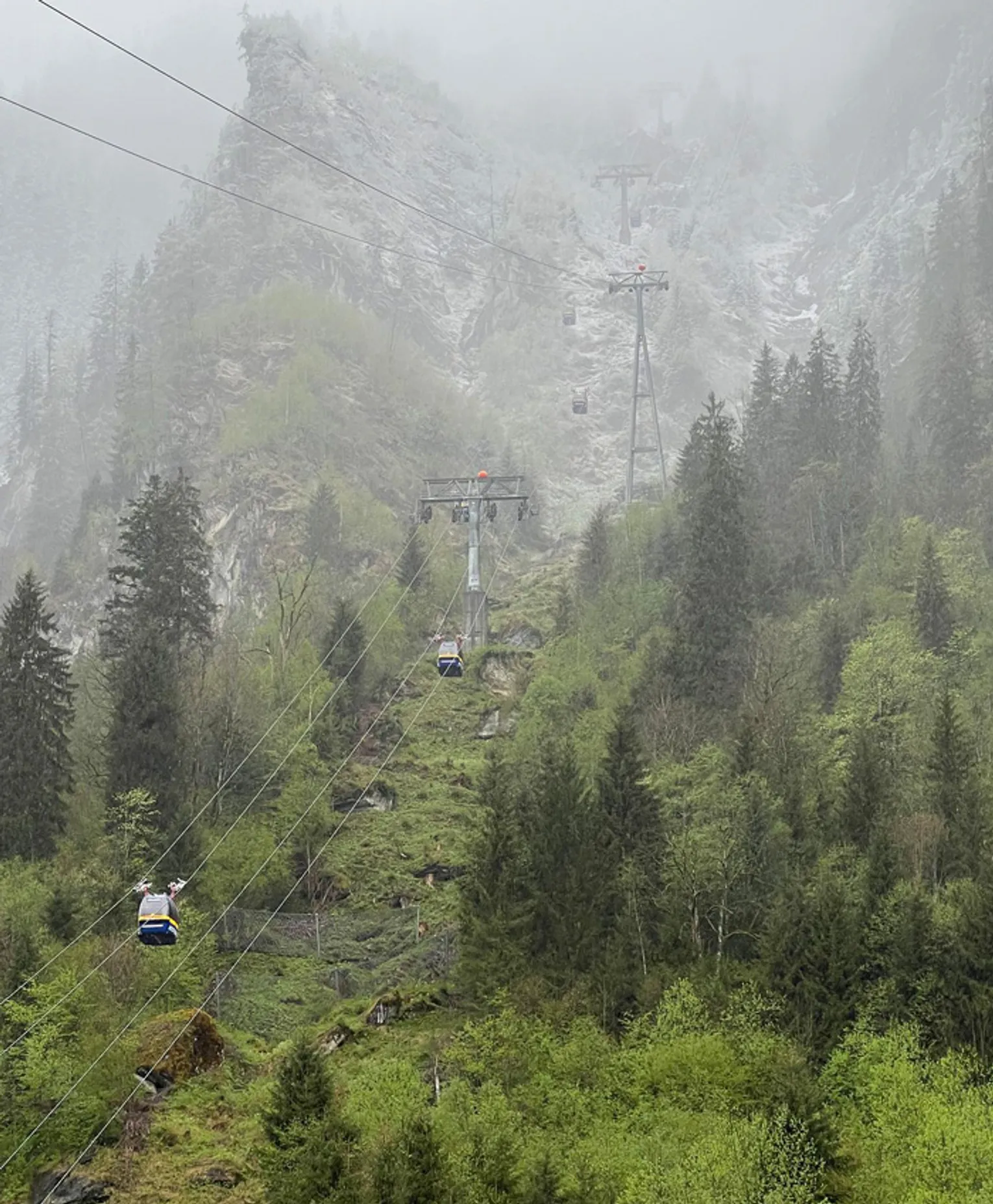
To start, we had an excellent group. A handful of us from various shops and media outlets joined Rick and Sarah from Blizzard, as well as Marcus Caston, Frank Shine, and various other appearances over the course of two days on snow. Simply put, it was a fantastic group of skiers with whom to explore a new mountain far, far from home. And Kitzsteinhorn certainly felt far from home. I’ve skied in the alps before, but only technically. It was on a Nordic skiing training trip when I was 16 and we exclusively skied on summer glacier snow. Although we were in the middle of April, which typically consists of limited terrain and spring-like conditions, Kitzsteinhorn looked quite wintery. Also, it’s absolutely massive. The change in elevation from Kaprun at 768 m to the very top at 3,203 m is absolutely staggering. Unfortunately, over our two days of skiing, visibility and views were limited. That massive elevation change was felt more in how we navigated the mountain. We hopped on our first gondola at 911 m, just up the road from Kaprun and after four different lifts and probably 45 minutes, we were at the top. That’s a long time to be going up, and certainly was a noticeable difference from anywhere I’ve skied in North America. To put it in more relatable terms, that’s about 6,000 vertical feet.
We had an assortment of new Anomaly and Black Pearls with us, plus some Rustler and Sheeva skis as well. I started our first day on the Anomaly 88, a ski I spent a lot of time on here in Stowe this season. Conditions on our first day were tough. On our very first run, we dealt with freezing fog, really bad visibility, and somewhat wet, grabby fresh snow. The Anomaly 88 also had a fresh tune on it, which would’ve been spectacular railing turns on a groomer, but in soft snow and navigating unknown terrain practically blind, it wasn’t the easiest ski in the world. That said, it was a nice experience for me and another good reminder and reflection that the Anomaly 88 is less harsh and slightly more forgiving than the outgoing Brahma 88. Frankly, I had a much better time on the Anomaly 88 than I would’ve on a Brahma 88 making short, controlled turns through challenging snow conditions. I still like it best for carving turns on perfect groomers, but it’s nice to see some increased versatility out of Blizzard’s 88-underfoot all-mountain ski.
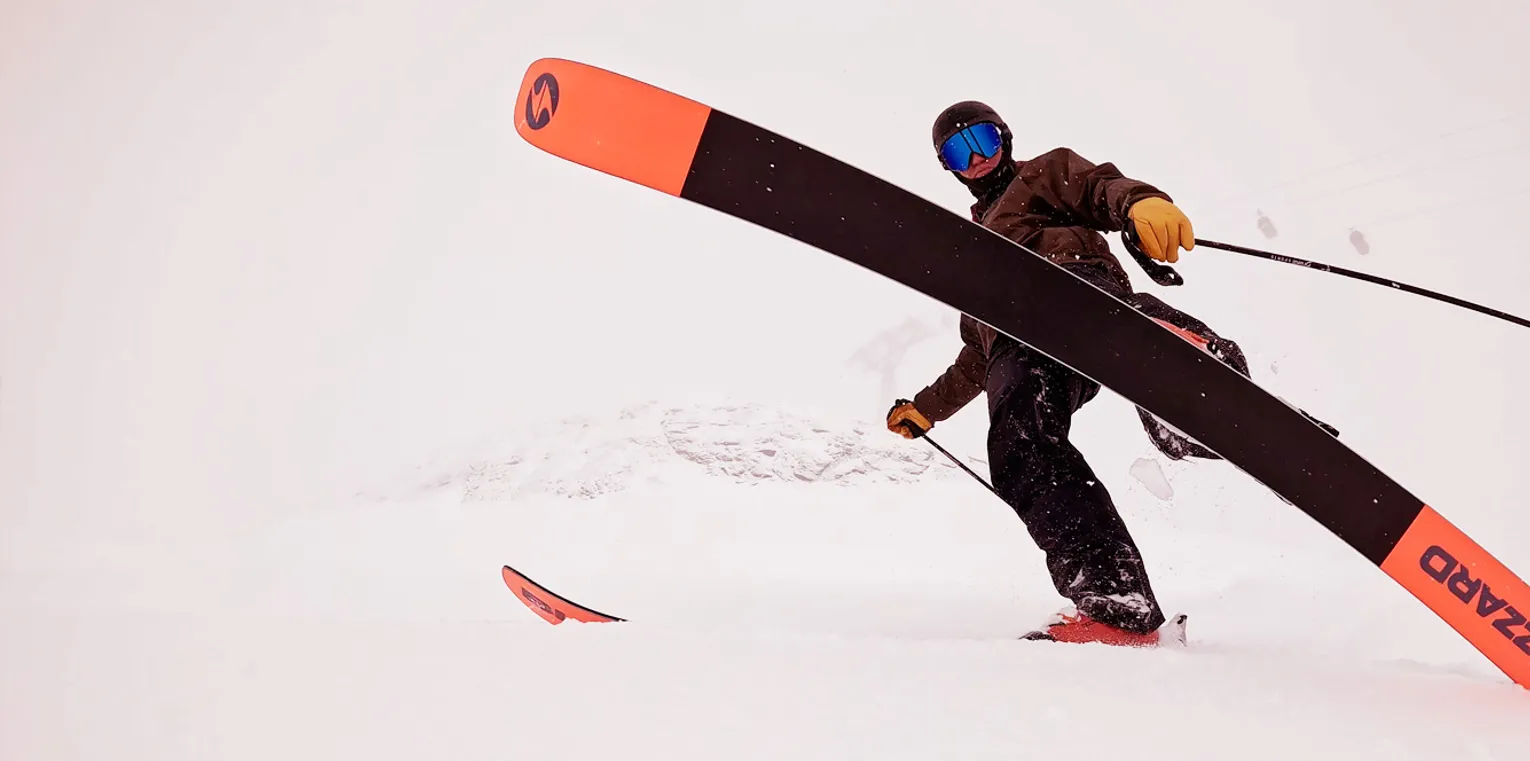
Our first few runs were pretty mellow as everyone got comfortable and we explored Kitzsteinhorn’s expansive terrain. Throughout the morning, visibility improved slowly but surely, and snow conditions got a little bit drier and more consistent. Sometime around late morning I switched to the Rustler 9, which was a stark contrast from the Anomaly 88. Rustler 9 is one of my favorite skis on the market right now, and has become one of the most popular skis on the market as well. It’s obvious why every time I get on a pair. It just does everything so gosh darn well. Where the Anomaly 88 leans more towards carving, the Rustler 9 truly is one of those skis with a relatively even mix of performance characteristics. It’s strong, but it’s also playful and agile. It’s damp and smooth, but it’s also flickable and forgiving. There’s even enough tail rocker I can ski it backwards and do silly things, which I love. While on the Rustler 9, we ventured into some technically-closed terrain, which was skiing phenomenally compared to everything else we had been on thus far. Closed terrain is curious at Kitzsteinhorn. To be honest, I’m not sure what it even means. There was a very small bamboo that said closed, or something like that, but there wasn’t any other indication it couldn’t be skied, was well marked, and perfectly safe. On our second day, we ventured into some more serious terrain, but this felt completely acceptable to everyone in our group.
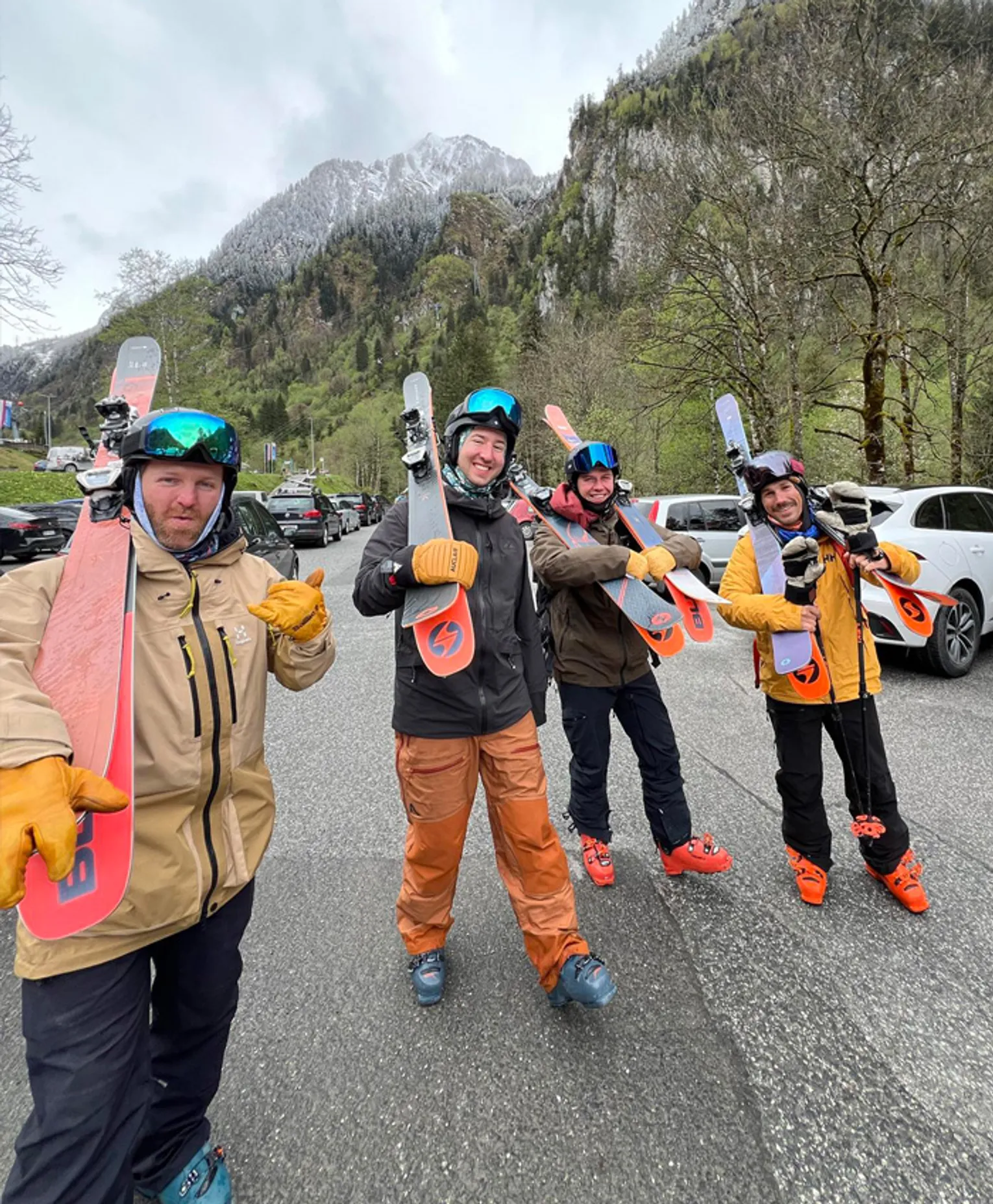
I had a lot of fun throughout the morning on that Rustler 9 and it continues to be one of my favorites. There were numerous highlights for me while skiing the Rustler 9. We had two great runs down far skier’s left terrain with easily the best snow we had found thus far, we found an impressively-massive terrain park, which always gets me excited, and we all skied through a “Speedcheck” feature, which was simply a straight pitch with a start gate and a finish area and told you your speed at the bottom. For being so simple, it was incredibly fun. Sometime around lunch, or shortly after, I switched from the Rustler 9 to the Anomaly 94, which was certainly a worthwhile experience. For being so similar in width, it’s nice to ski them back to back to really feel the differences. First thing on the Anomaly 94 was a somewhat-unplanned trip through an actual Superpipe. We’re talking legit 22 foot walls. Turns out in addition to being a phenomenal skier all around, which probably isn’t surprising, Marcus Caston can hold his own in a halfpipe. He was on the Anomaly 102, I on the 94. Skiing through a Superpipe with Marcus Caston on Blizzard Anomaly skis wasn’t something I had on my skier bingo card, but it’s an experience I’ll likely never forget.
The rest of my time on the Anomaly 94 was spent navigating late date, chopped up soft snow. We found a little untouched snow right along a metal fence broken up into probably close to 50 different 20-30 foot sections. This is absolutely something you’d never see in the US. The liability is off the charts, which is similar to the difference in their “closed” terrain. It would’ve been so easy to hook a tip in the fence and would’ve resulted in a really bad situation, but there was also nice snow next to the fence and it provided some context in what was still mostly flat light conditions. I made a series of short, wiggly turns on the Anomaly 94, and similar to the 88, it was a friendly reminder that this ski is easier, more fun, and more forgiving in situations like that than the outgoing Bonafide. After that, we skied some groomers, grabbed a couple pairs of extra skis we brought up with us, and cruised to the bottom, or rather the top of Gletscherjet 1, the lowest Gondola, which brought us back down to our cars. I did have a couple opportunities to open it up a bit more on the 94 as we skied down and make some bigger sweeping carves. The 94 rips in those situations. It’s so fun to let it go and it has all the dampness and suppleness the Bonafide did, just with a more natural flex pattern and more ease of use in those short, next-to-a-scary-metal-fence turns.
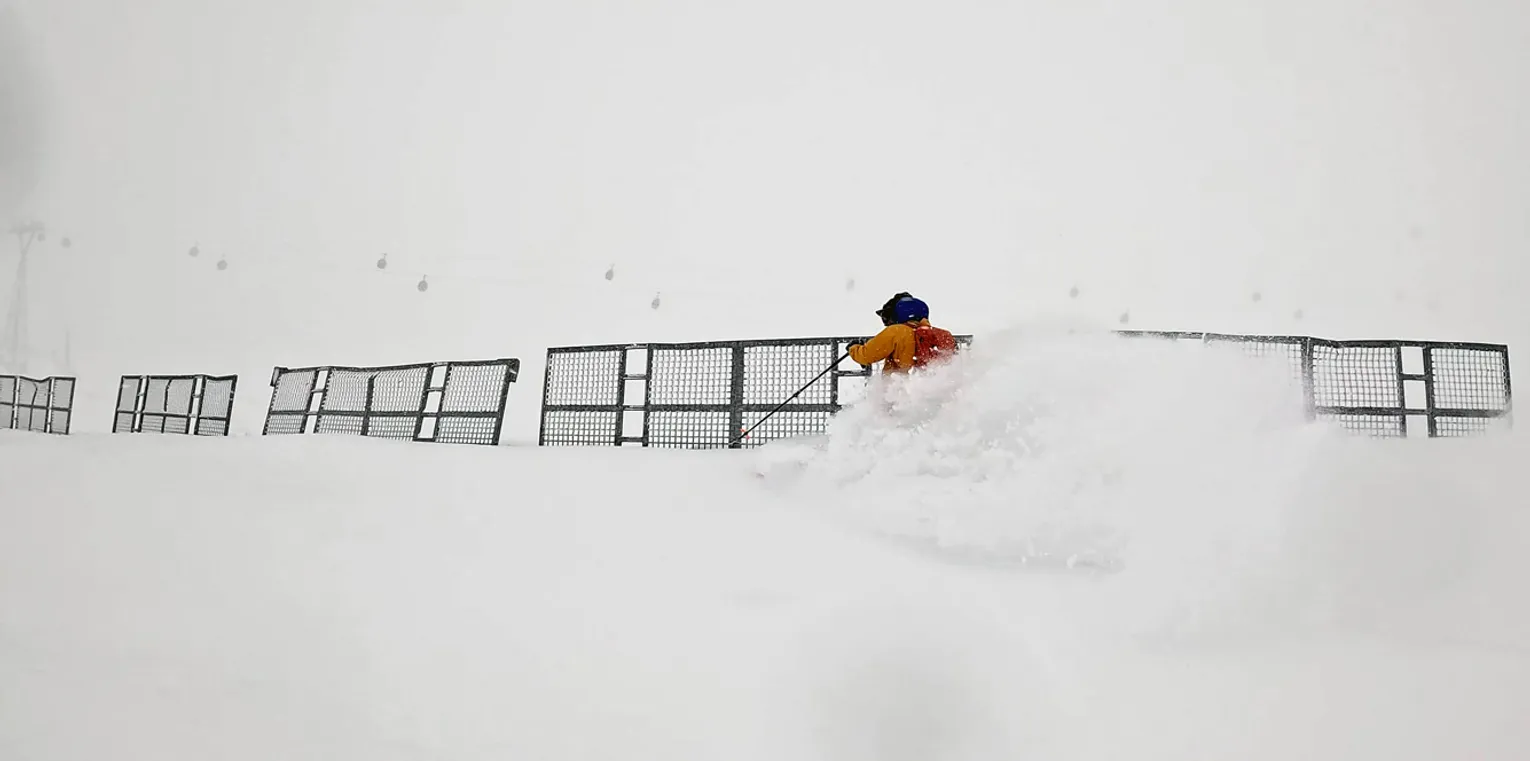
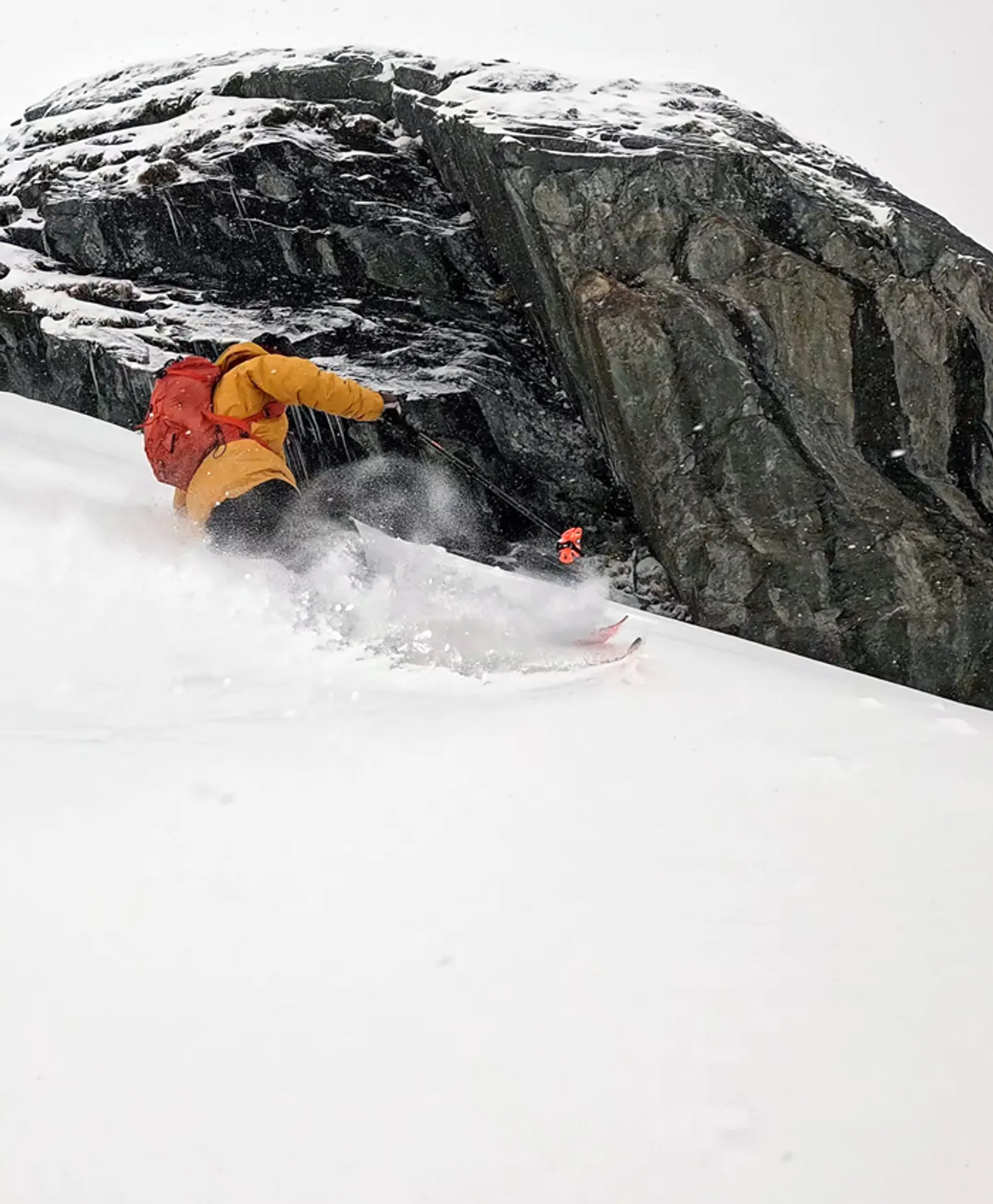
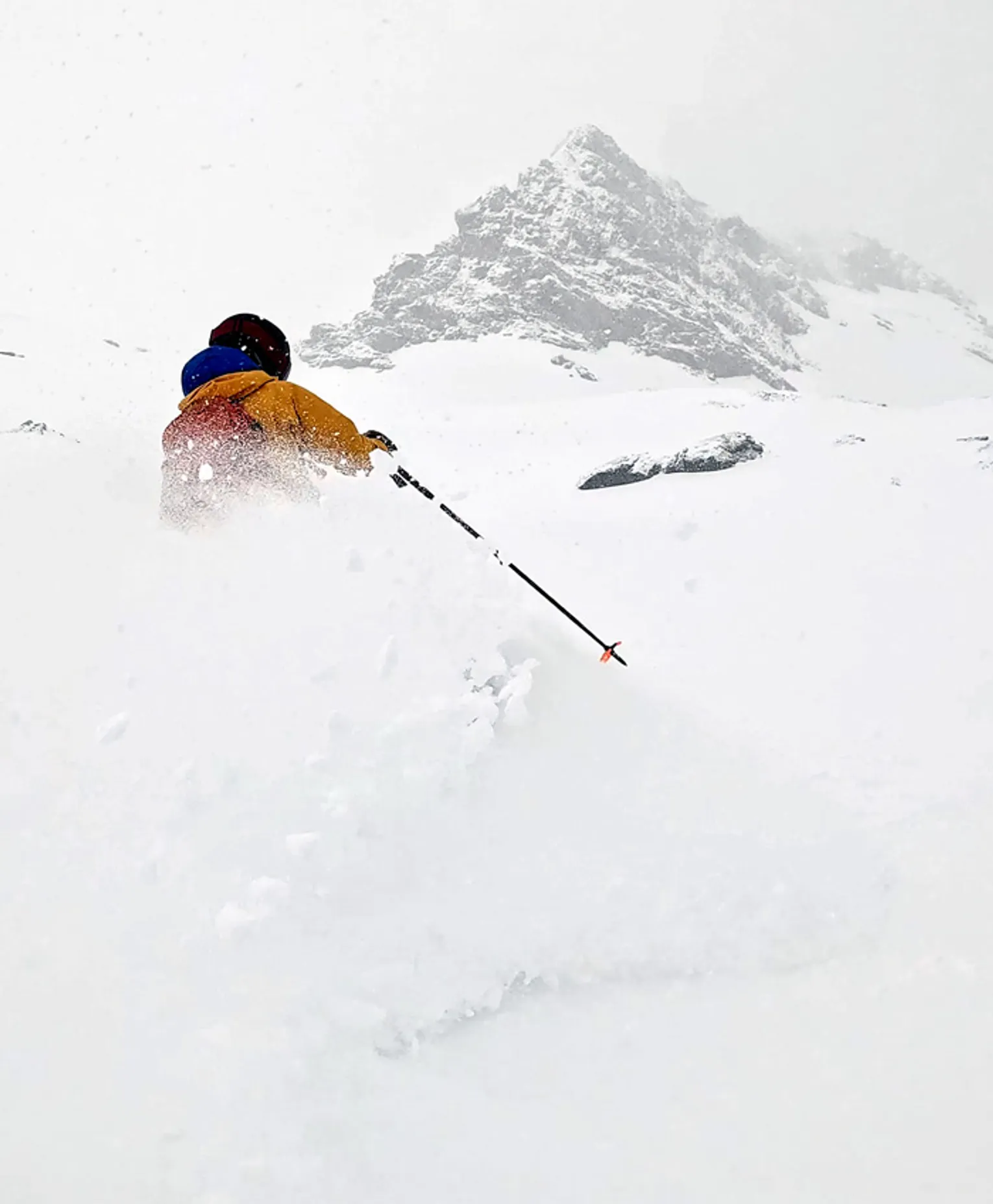
We had a very full day on snow on day 1, which transitioned into a Blizzard Factory Tour in the late afternoon and early evening, but we’ll cover that in another article. We looked at a lot of skis, had some great conversations, and developed some group camaraderie, but there was another activity we did… watch the weather. While it snowed off and on throughout day 1 and we had some nice fresh snow, there was fairly legitimate snow in the forecast for day 2, which got everyone excited.
Waking up for our second day of skiing, it seemed our hopes had come true as even in the lower foothills, you could see a nice blanket of fresh snow. As we made it further and further up the mountain whether in a van or on the series of lifts we had to take, there was more and more snow. A powder day in the middle of April in Austria? If there had been a signup sheet, my name would’ve been on it. Let’s just say we got lucky. That said, visibility was still a challenge, which was really a theme of our two ski days. Fortunately, we knew the mountain relatively well and got right into our routine. I started on the Anomaly 102, which is a fantastic ski if you’re skiing off-piste Austrian terrain that you’re unfamiliar with. It's so incredibly trustworthy, even skiing some steeper, more challenging terrain, I felt 100% comfortable and confident. We did a couple inbounds runs before we realized a handful of skiers were venturing well off-piste into that steeper terrain. Luckily, Marcus lives in Switzerland these days and has a lot of experience in these big European mountains. With his guidance and plenty of stops for safety assessment, we headed into what I would consider the Kitzsteinhorn sidecountry.
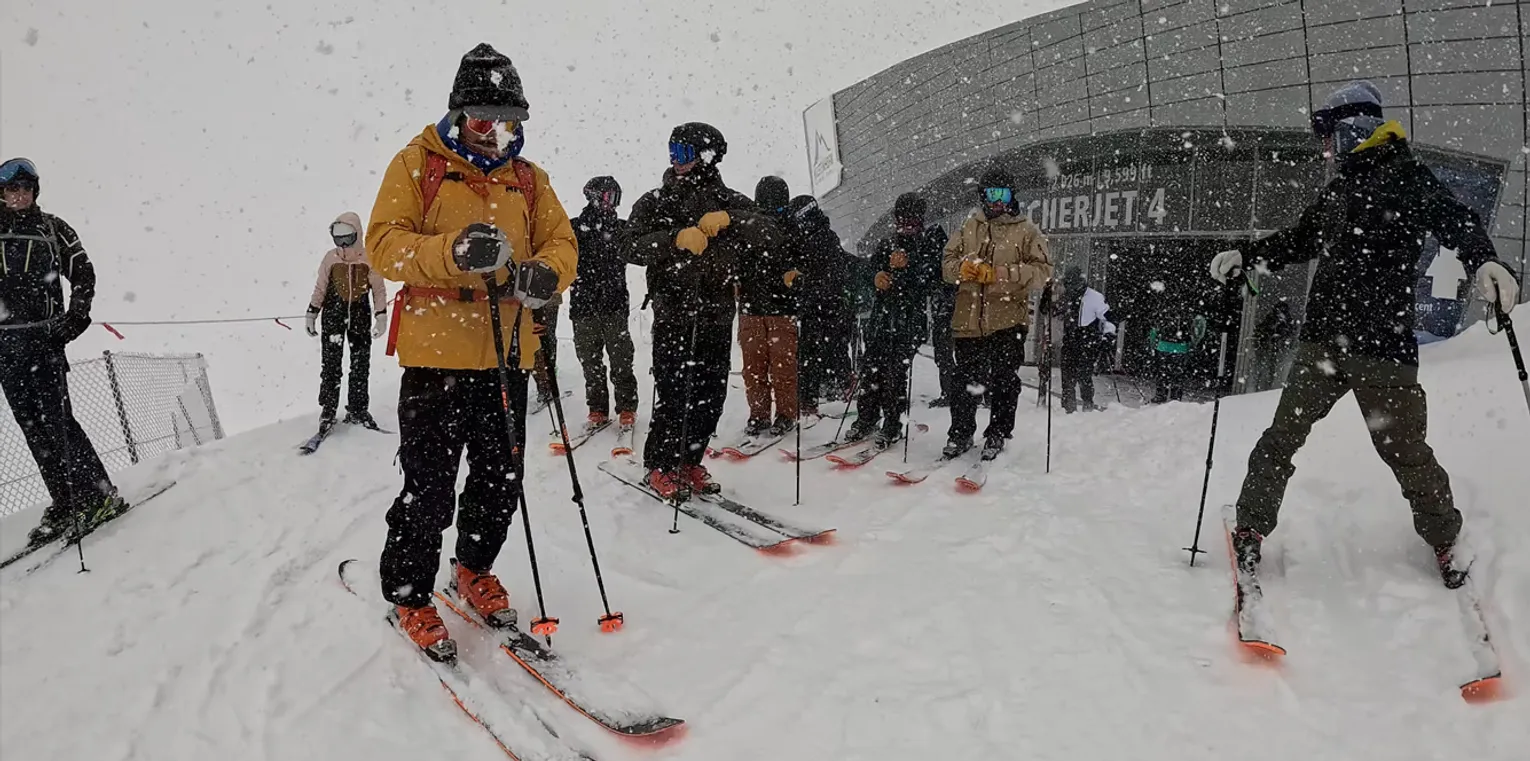
Wow! While the snow conditions weren’t the best I’ve ever skied, they were far from the worst with about 6 inches of nice fresh snow on top of a somewhat firm, frozen layer. At times, you’d hit that layer, but it wasn’t completely firm. It had some give to it and a fair amount of moisture, which created excellent bonding with the fresh snow and some really nice turns. I was quite impressed by the Anomaly 102 through all of this. Where previously, I had basically only skied it on groomers at Stowe, I loved it in off-piste terrain. The tweaks to the shape compared to the Bonafide and Cochise allow for easier short turns in terrain like this, but you still get a wildly-strong ski overall. If we had better visibility, it would’ve been fun to really let it run through some of these runs, but it was tough to tell what was 20-30 feet in front of you, so I mostly kept it controlled in shorter turns. I filmed one run in this off-piste section just pointing a camera at Marcus on his Rustler 10 before switching to a POV camera so I could actually ski myself. While the Superpipe on day 1 was memorable, it was nothing compared to these runs on our second day.
Late morning, I switched from the Anomaly 102 to a Rustler 10 and did another run down the same exact terrain. What a difference! While the Anomaly 102 handled those shorter turns just fine, the Rustler 10 promoted short turns. It loves it. It loves to break free and slash, skid, smear, and just play in any environment. I think I probably had my best turns of the whole trip on that last run on the Rustler 10. I’m also not reluctant to say it matches my skiing style better than the Anomaly 102. That’s probably not surprising to those who follow our content here at SkiEssentials. The easiest way to think about it is if you like to ski fast and direct, go with the Anomaly 102. If you like to be more playful and creative with your skiing, go with the Rustler 10. There are obviously more differences between them and that’s potentially oversimplifying it, but I also think it’s a good way to make a clear distinction between them in your head.
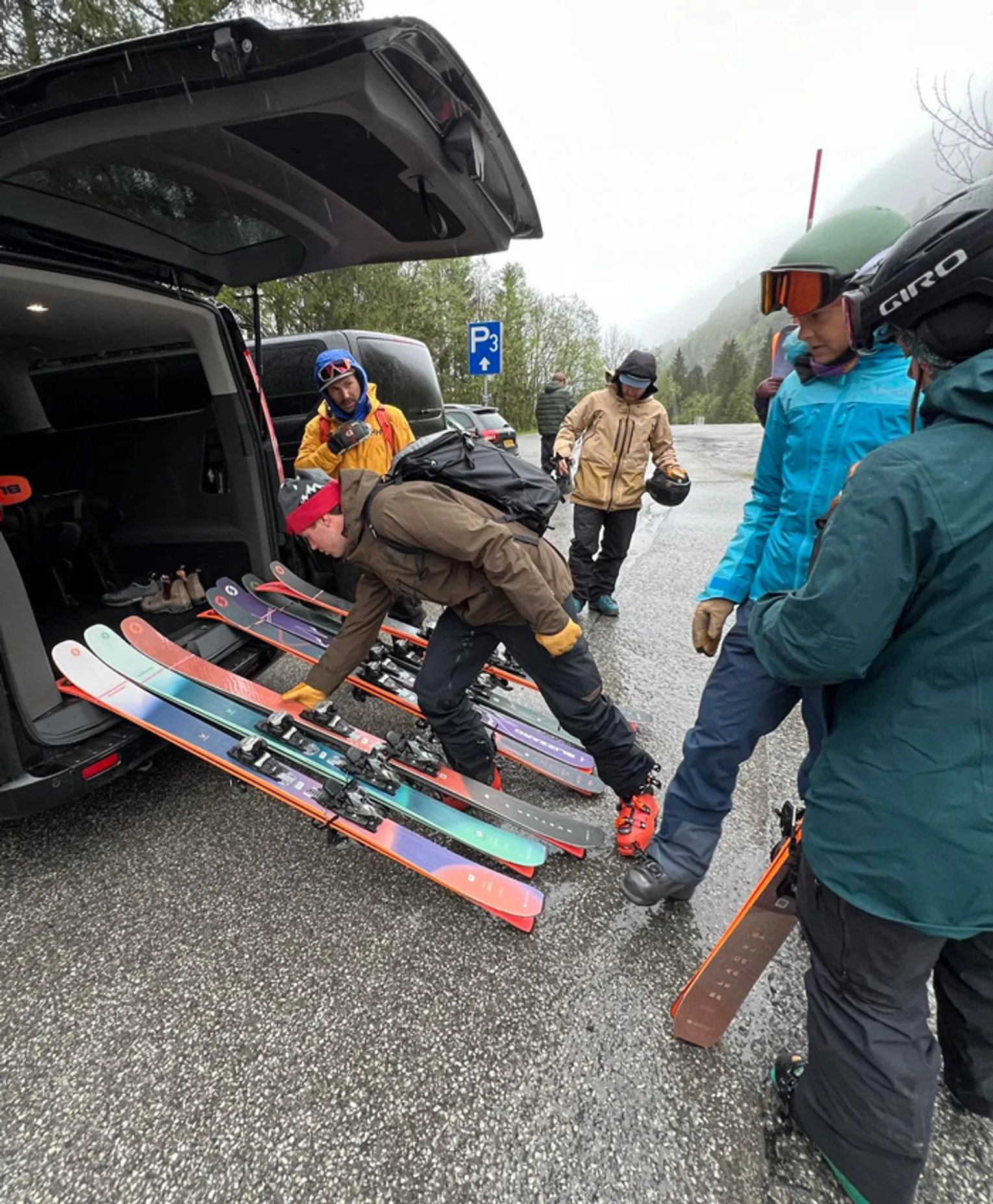
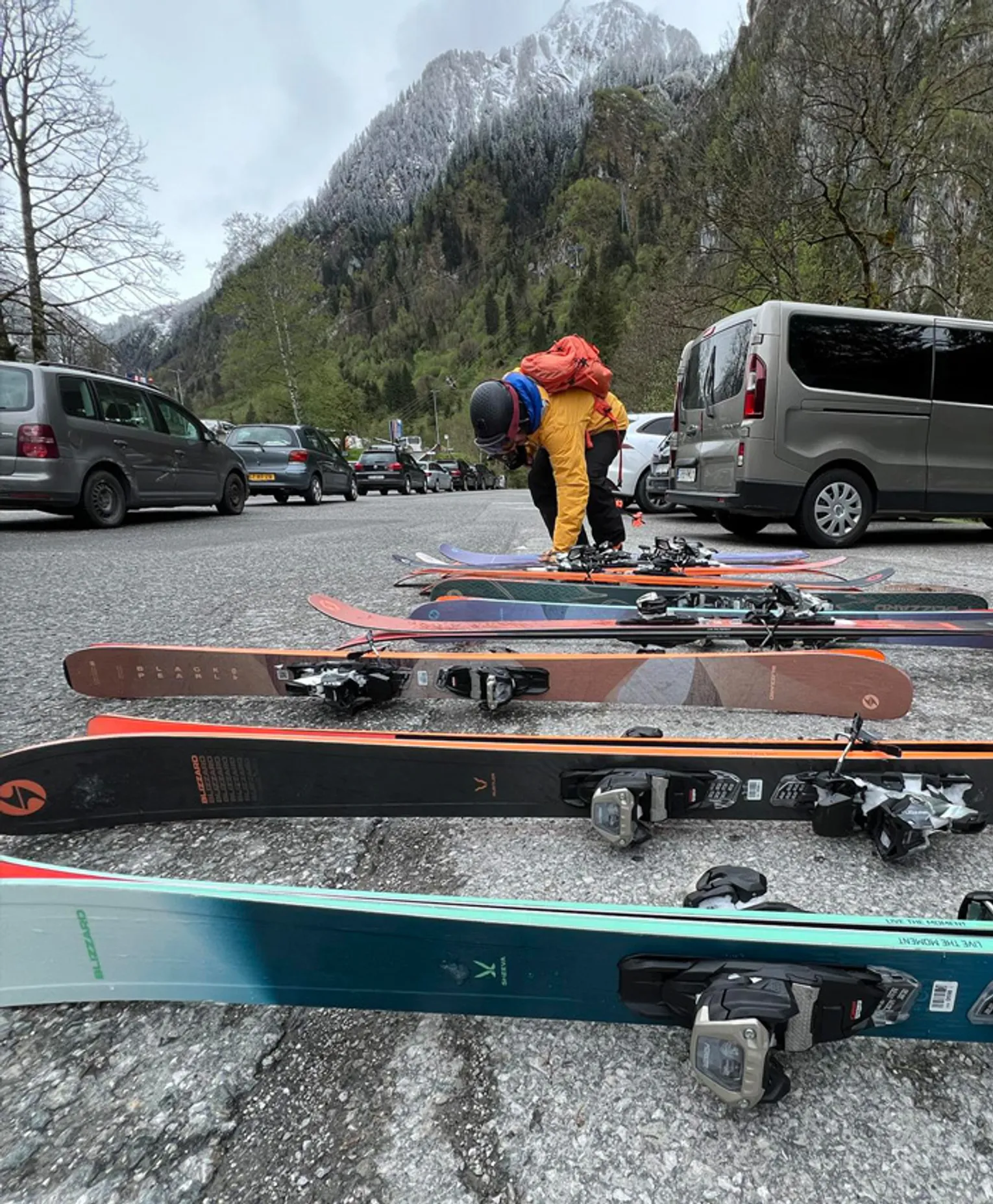
Our second day of skiing ended a bit early than our first day, mostly due to the collectively tired legs of our group. Early afternoon, we headed down the mountain, back to Mittersill, and had a fantastic conversation about a whole bunch of stuff I can’t talk about due to my signature being on an NDA agreement. I’ll just say that Blizzard has some really talented, creative, and intelligent people working for them and I’m confident in their ability to lead the brand and its associated products through the years to come.
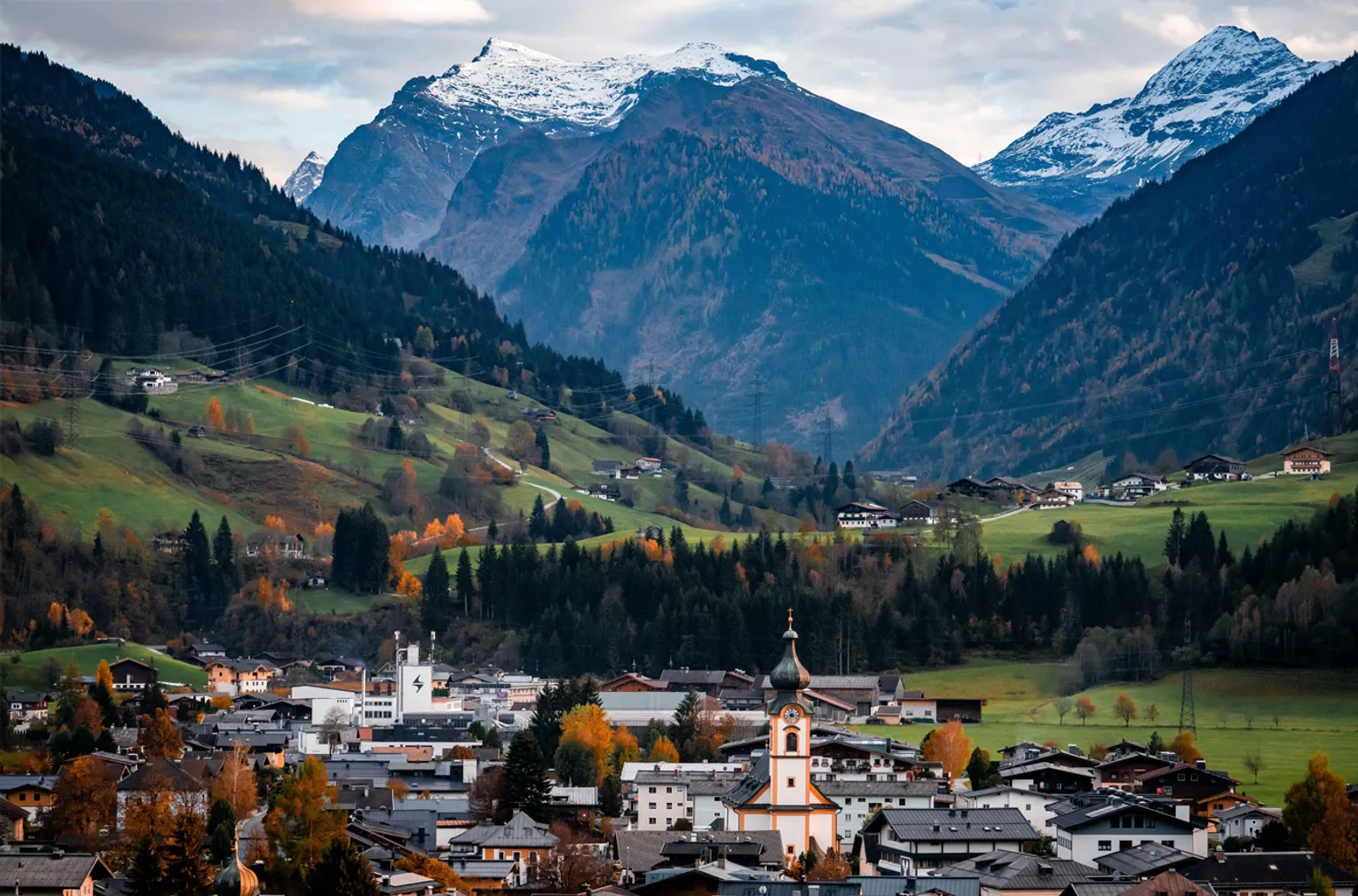
It's safe to say that the skiing on this trip wasn’t the most effective ski testing I’ve ever done just due to the conditions and visibility, but it was very, very different than the skiing I’ve done on these skis back home. It was also extremely rewarding to experience their performance just a stone’s throw away from where they’re made. Everyone in this area seemed very proud of Blizzard. It’s in their culture. People noticed us and noticed the brand, and it’s no surprise why. Their logo basically is the skyline of Mittersill. Their factory is incredibly easy to spot as it’s by far one of the most substantial structures in Mittersill, but it’s far from an eyesore. It’s part of the town, it’s part of the culture, and next time, we’ll chat more about what’s inside.