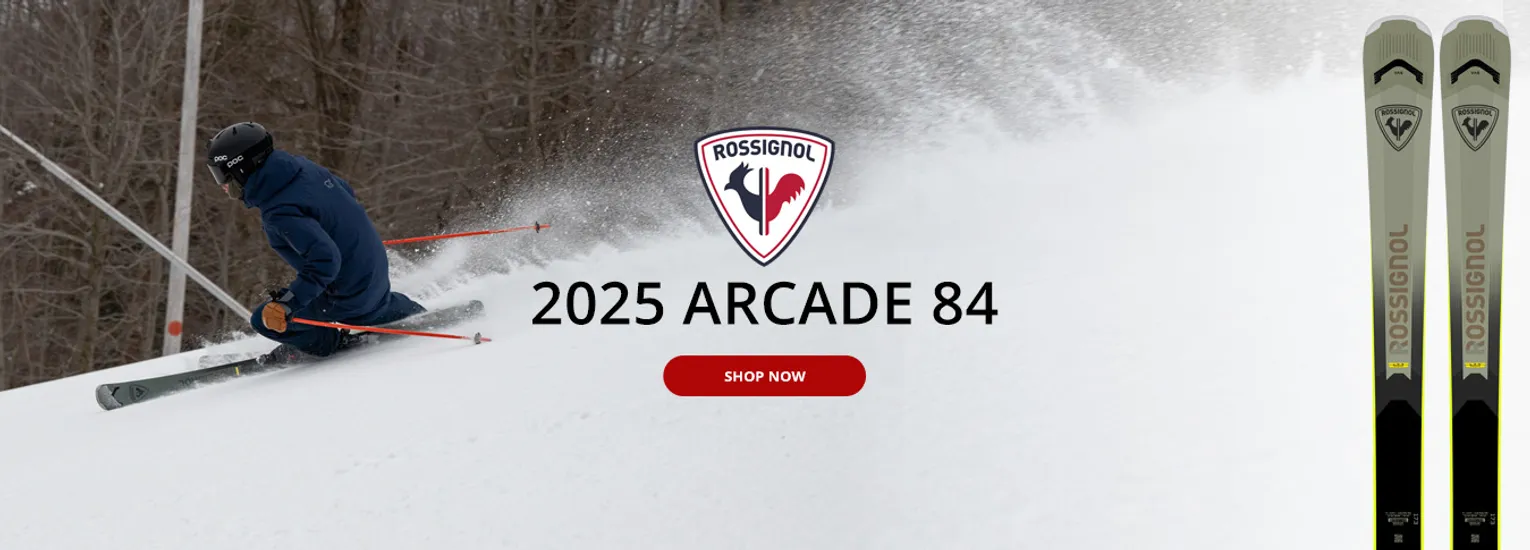
2025 Rossignol Arcade 84 Ski Review
Rossignol’s approach to skis is very refreshing. The introduction of the Arcade 84 and 88 for 2025 could be considered an extension of the success that we saw with Forza series from last year, emphasizing the fun and utility found in both carving and all-terrain skis. While it’s easy to be sad about the departure of the Experience 82 and 86, it’s equally as exciting to be ushering in these new models that will offer a whole lot of fun and engagement. For this article, we’ll be focusing on the new Arcade 84, mainly because it seems more like an every persons’s ski that will appeal to a huge audience. While the North American audience still seems more interested in slightly wider all-mountain skis, the European market tends to prefer and focus more on front side or on-piste skis with more of a race heritage. The Arcade 84 is Rossignol’s attempt to blur these lines and make a global performer that is as close to all-encompassing as it gets. So far, in our experiences on snow, this is a very successful result.
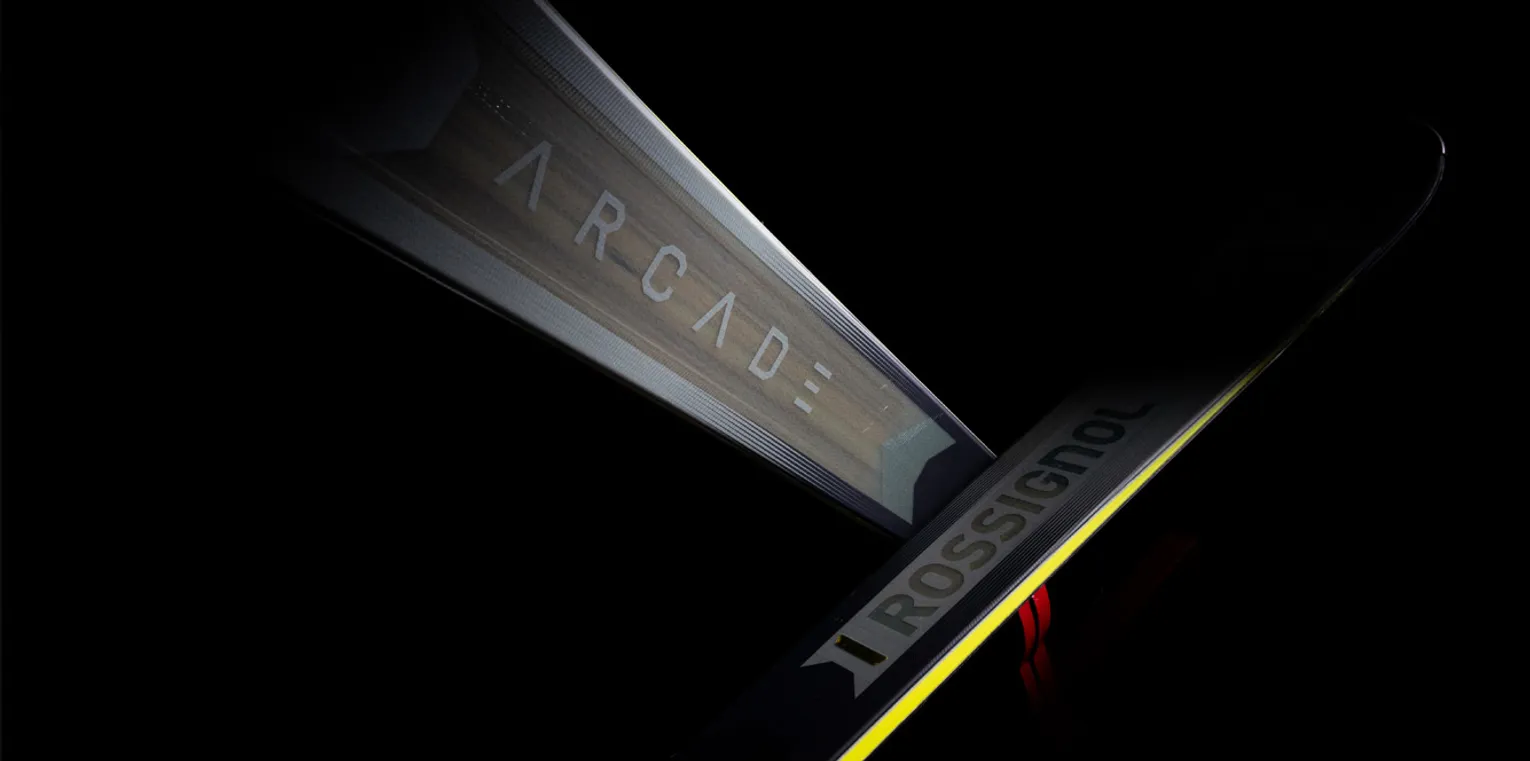
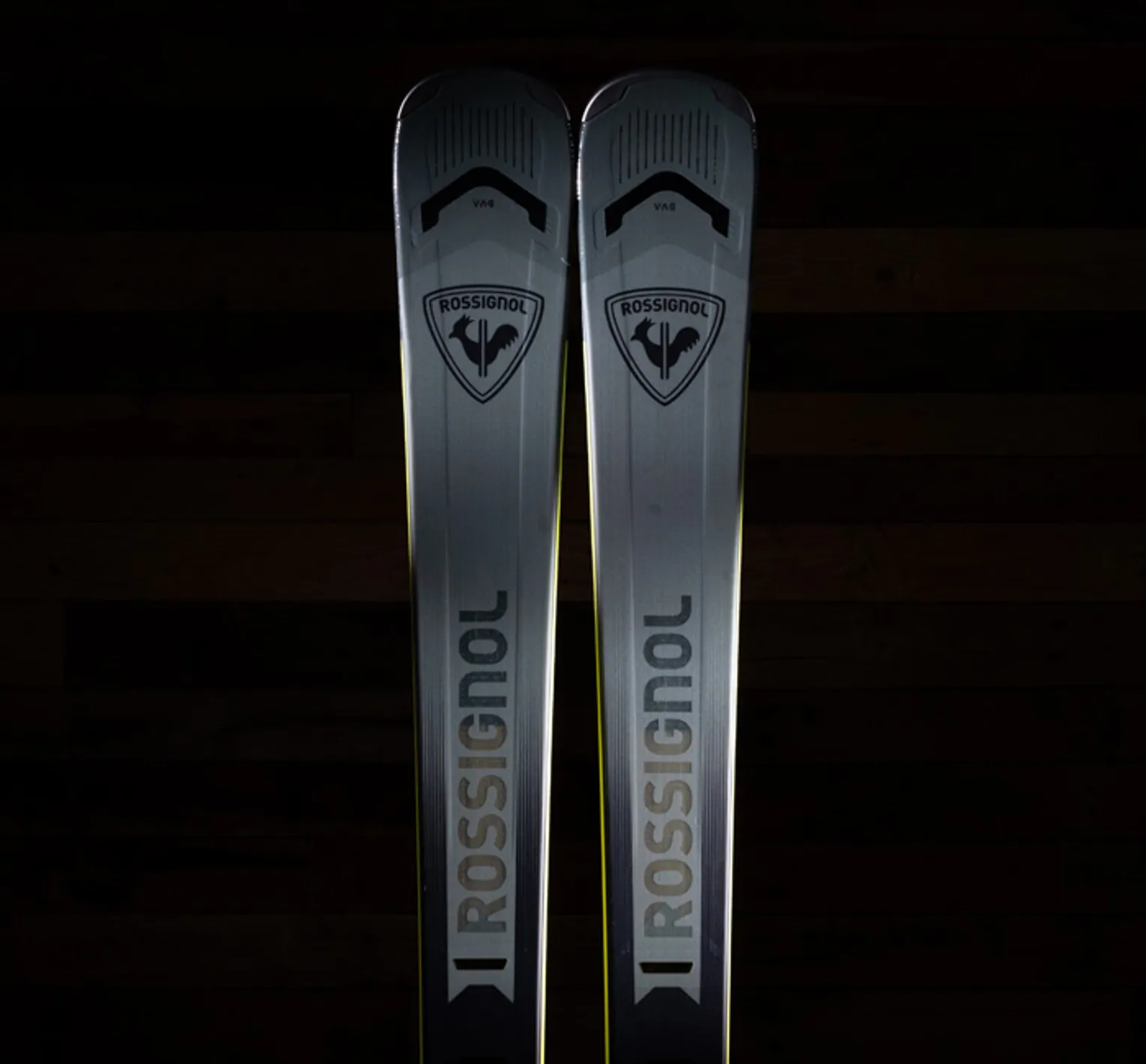
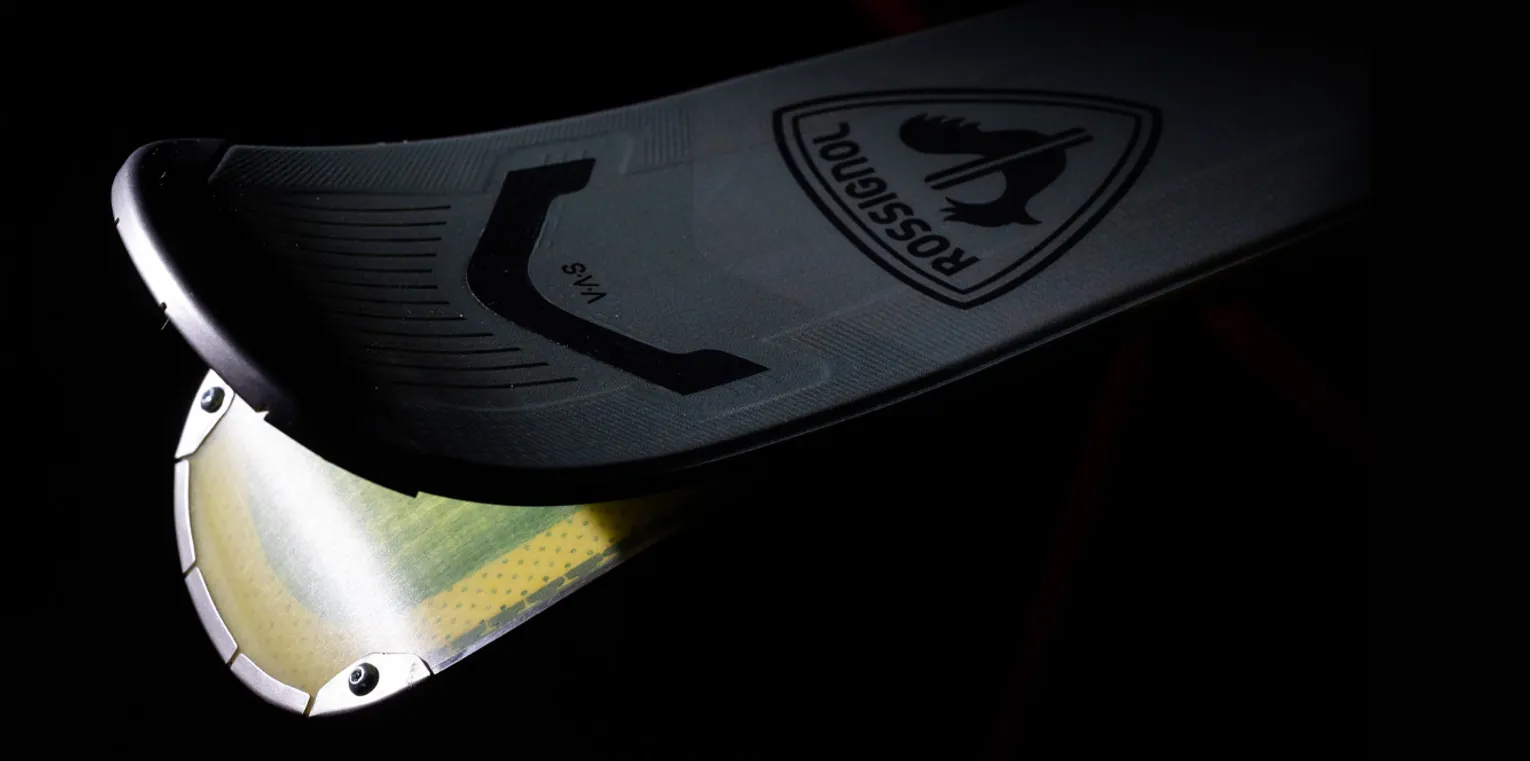
With the Arcade 84, accessibility and fun, mainly in a shorter turning format, are top priorities. While the previous Experience series, namely the Ti versions, had some heft to them in the build as well as two full sheets of titanal, this new 84 is a bit lighter in nature. This new model uses a full poplar wood core with an ABS LCT strip through the middle. By using this ABS material in the middle of the ski, they’re basically adding a third vertical strut of ABS, if you include the sidewalls as the others. Many times, the use of a vertical sidewall is overlooked as a structural element in the ski, but it is not lost on the Rossignol engineers, even to the point of basically adding a third to the central spine of the ski adding dampness and smoothness to the build. This ski certainly falls into the full sidewall realm with thick and beefy walls throughout. Core thickness, especially underfoot, contributes to the smooth and stable character of this ski. In addition, Rossignol uses a full-width central titanal layer that extends to just beyond the mounting zones. This leaves the forebody and tail unencumbered by metal, and freer to flex energetically into and out of the turns. For a lot of skiers, this is a big benefit both from a weight saving perspective as well as an engagement one. It’s easier and more supple this way for most, affording a high performance feel underfoot with an accessible and fun-loving flex in most of the ski. In the shovel of the ski, we get kind of a naming throwback here with Rossignol’s V.A.S. technology. This polymer layer is found just below the Air Tip, and it does a great job at filtering out unwanted vibrations throughout the turn. Air Tip reduces swing weight and helps with ease of initiation. Also, with less mass in the front, any chatter is dispelled quickly and efficiently. If we’re comparing it to other skis, this Arcade 84 falls kind of in the middle of the Experience Ti and Basalt builds, taking some partial metal from the Ti and mixing it with a Poplar wood rather than Paulownia of the Basalt. In the 176, this build generates a weight of 1,750 grams per ski which is on the lighter side of the all-mountain/carving spectrum.
At a Glance:
2025 Rossignol Arcade 84 Skis

| AVAILABLE SIZES | TURN RADIUS | SIDECUT | WEIGHT | PRICE |
|---|---|---|---|---|
| 152, 160, 168, 176, 184 cm | 15 m @ 176 cm | 133 / 84 / 121 mm | 1,750 g @ 176 cm | $649.95 |
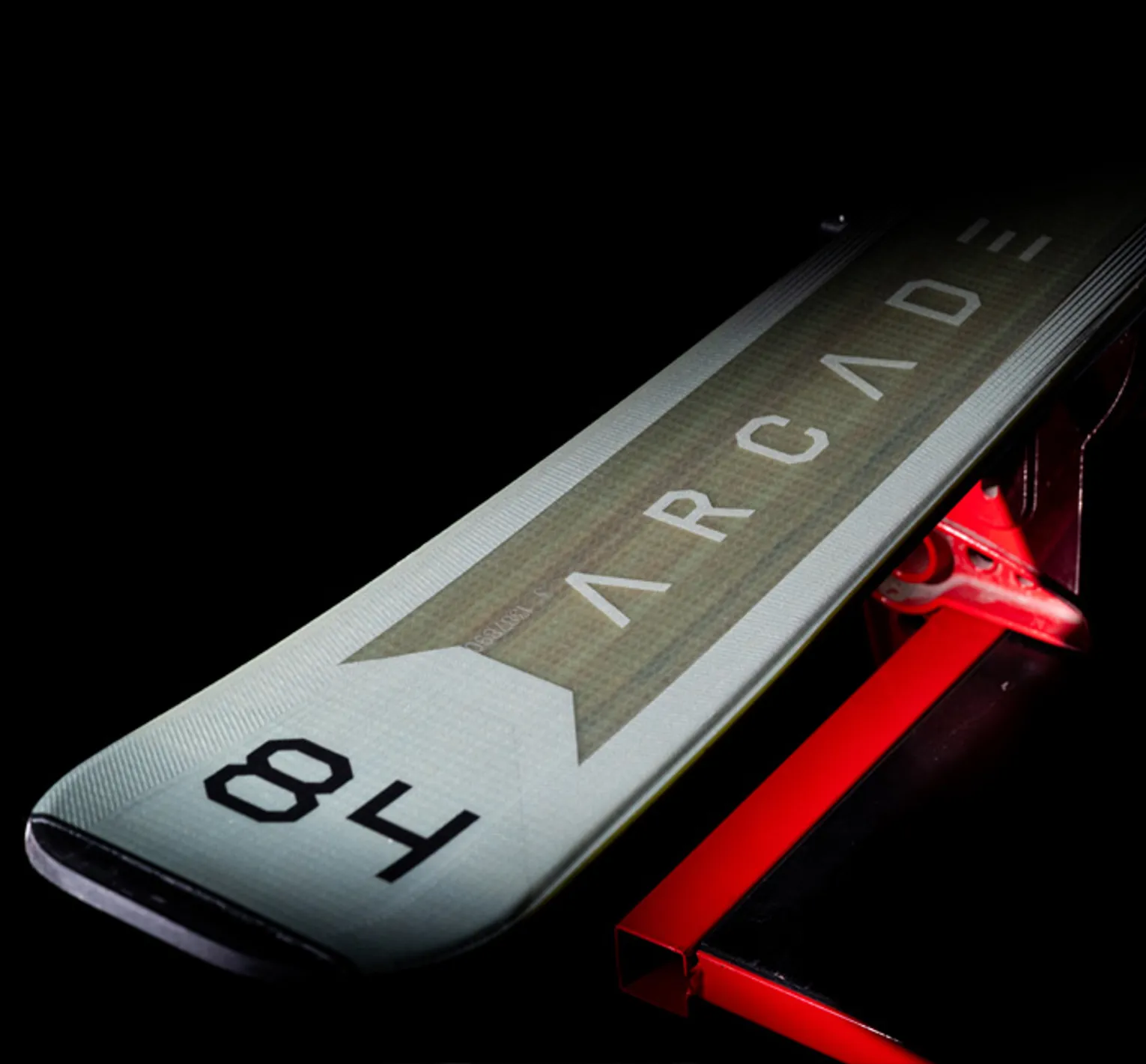
Moving into shape and profile, we see another melting pot of technologies that leads to pure all-mountain goodness. The Forza 70 did a great job of re-introducing skiers to the joy of carving through a wide shovel and sturdy platform. Experience has always been a great carver, but in more of a well-rounded shape and style. This new Arcade 84 almost seems like an extension of the Forza 70, mixing some of the dramatic shaping attributes with a more engaging rocker profile. Boasting measurements of 132/84/120, the 184 gets a 16-meter turn radius while the 176 sees a 15-meter arc. It’ll get shorter from there, likely somewhat relative to the drop from 16 to 15 as the lengths get small, but even in the 184, the 16-meter turn feels pretty darn short, especially for a ski this long that still claims to be more in the all-mountain category. When talking about performance, this is a key point to consider. While the measurements are not far from what we see in Experience, it is a bit of a sharper turn, and in the 84 (compared to the outgoing Ti), the Arcade is easier to access the entirety of that arc. Also similar to the Experience, we’re not seeing a whole lot of taper—Rossignol is certainly reserving this shaping characteristic to the Sender Soul series and the more freeride-oriented skis in the catalog. This follows their Extended Sidecut philosophy of having a long effective edge. There is, however, an interesting amount of tail rocker, as this ski has some decent splay in the rear for being so darn focused on frontside carving. The tip rocker is more there for smoothness, and we’d expect this type of profile, but it’s a bit more pronounced in the tail. When combined with the flex, this makes for a smooth and predictable finish to the turn as well as the all-mountain versatility since you’re not locked in for off-piste and soft snow turns.
On snow, this ski performs as advertised. It’s fun, crisp, engaging, and versatile. In our more recent experience, especially with the more front side-oriented skis, it’s all about percentages. Most skiers, most of the time, spend a lot of time on groomed slopes, and this makes a ski like the Arcade 84 a very valuable option for a wide range of skiers. Speaking of value briefly, this ski is less expensive than the Experience models it replaces, marking a slight turn from the norm lately of everything getting a lot more expensive. Price aside, this ski feels great in a carved turn. The edge grip is plentiful, the initiation is smooth and engaging, and the finish phase of the turn is snappy and poppy. This ski feels quite a bit more grounded overall than the Experience, as it allows for a smoother roll from edge to edge. Amazingly, the ski is lighter, yet it feels very stable and quiet. Skiers can certainly feel free to break from the stated radius, but we’ve found it to be more interested in making short to medium shaped arcs. If you push it too hard at too fast of a speed, you’ll feel the lack of metal start to kick in. In shorter turns, this ski is incredibly rewarding, and this translates into off-piste skiing as well.
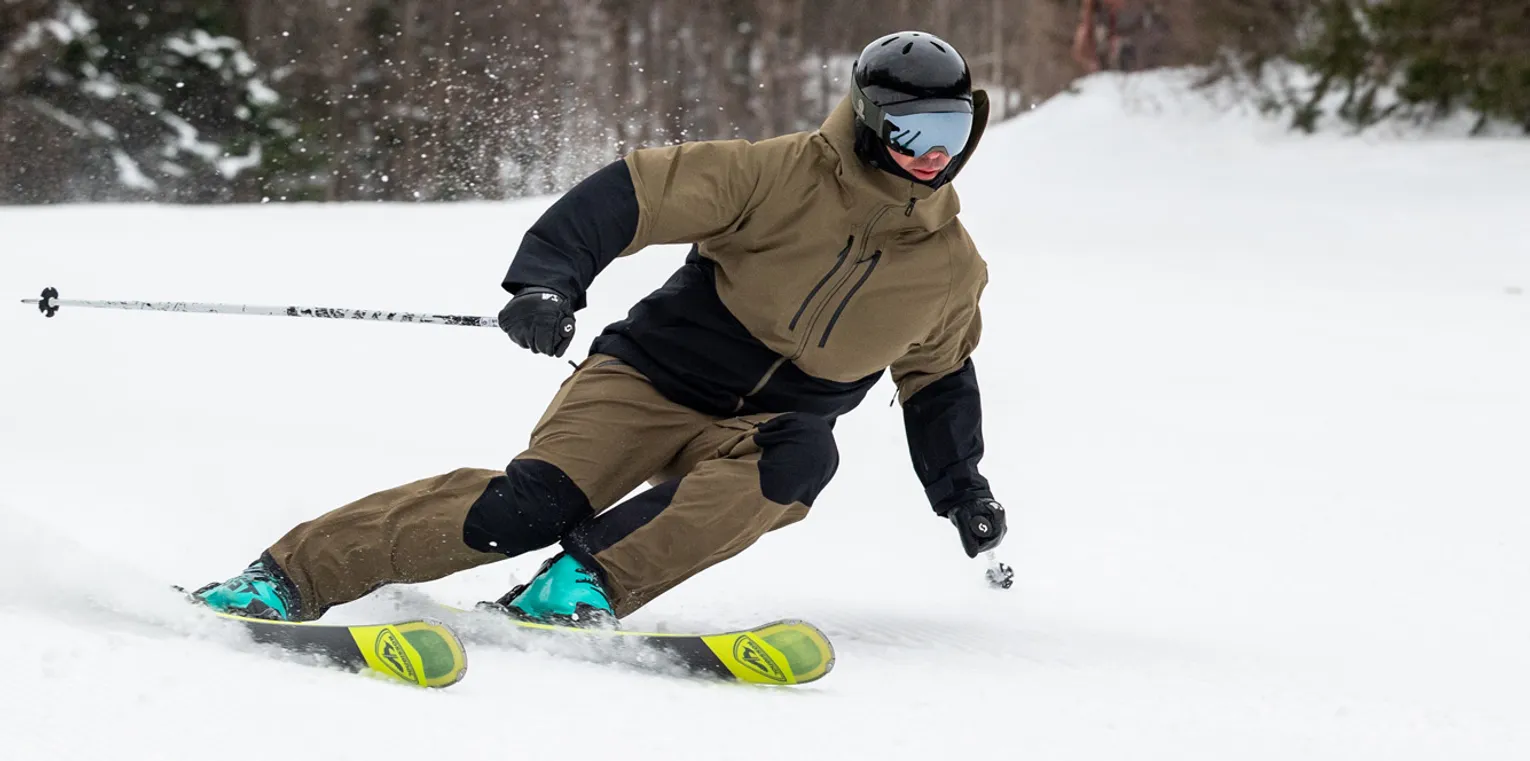
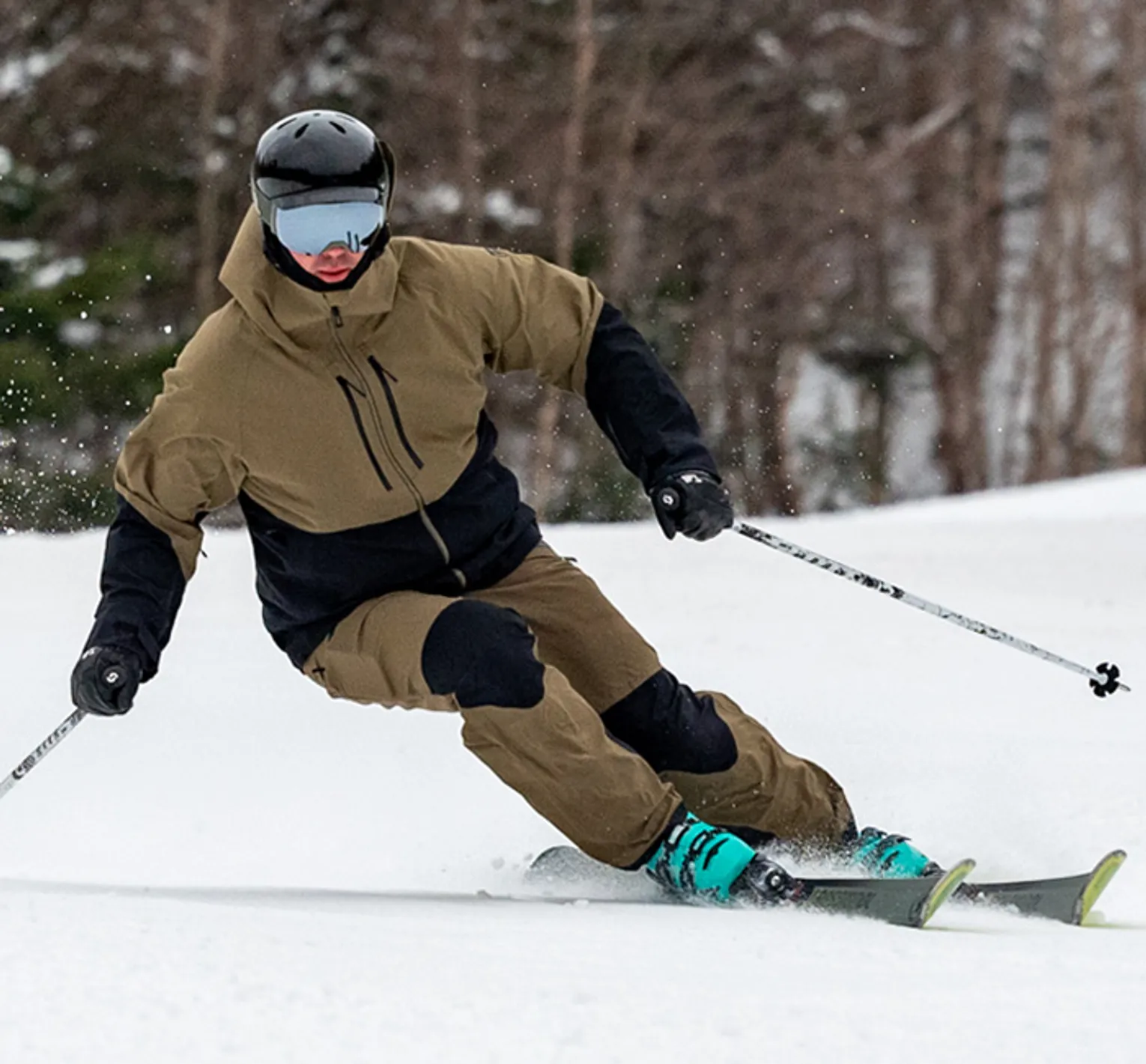
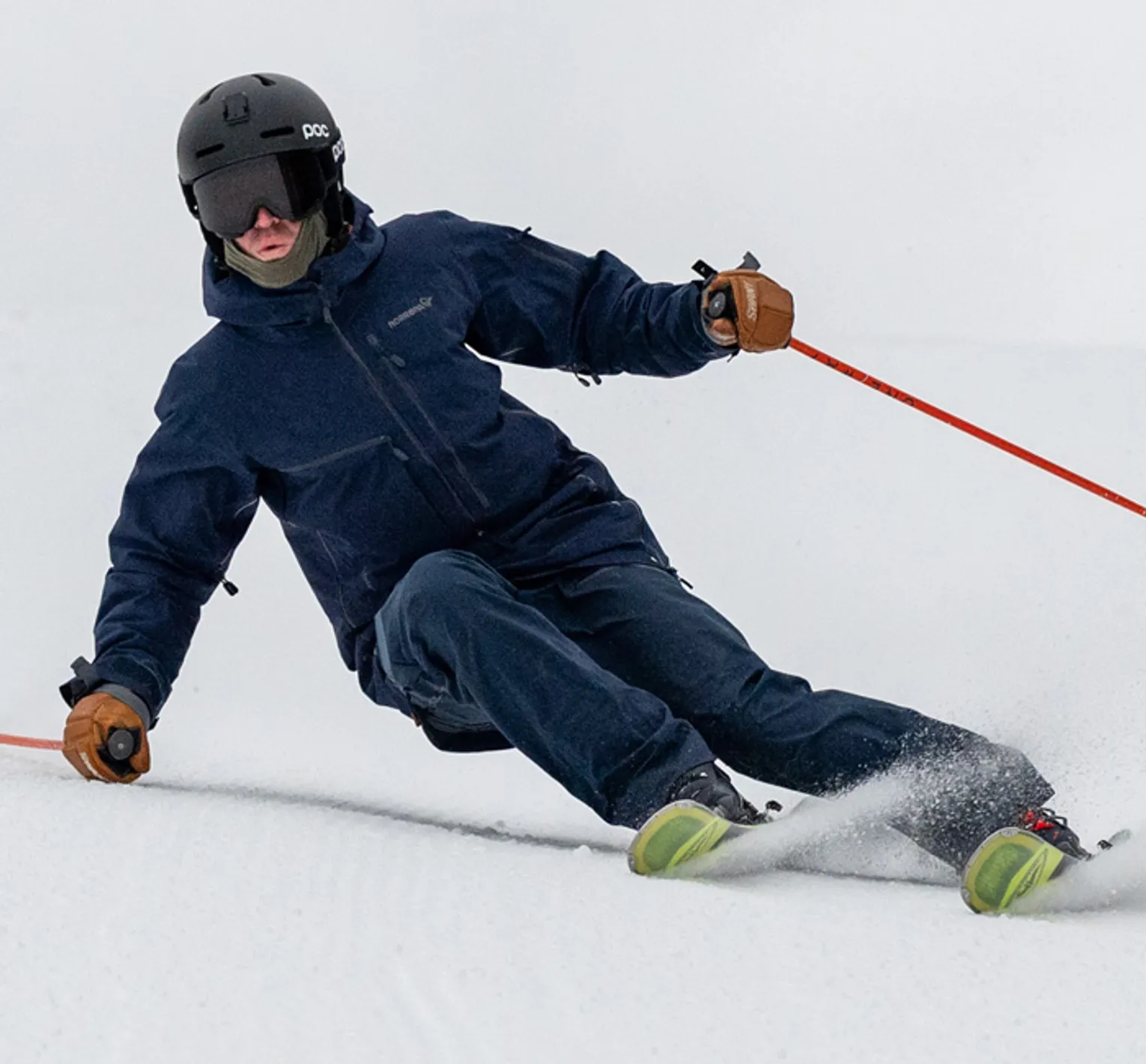
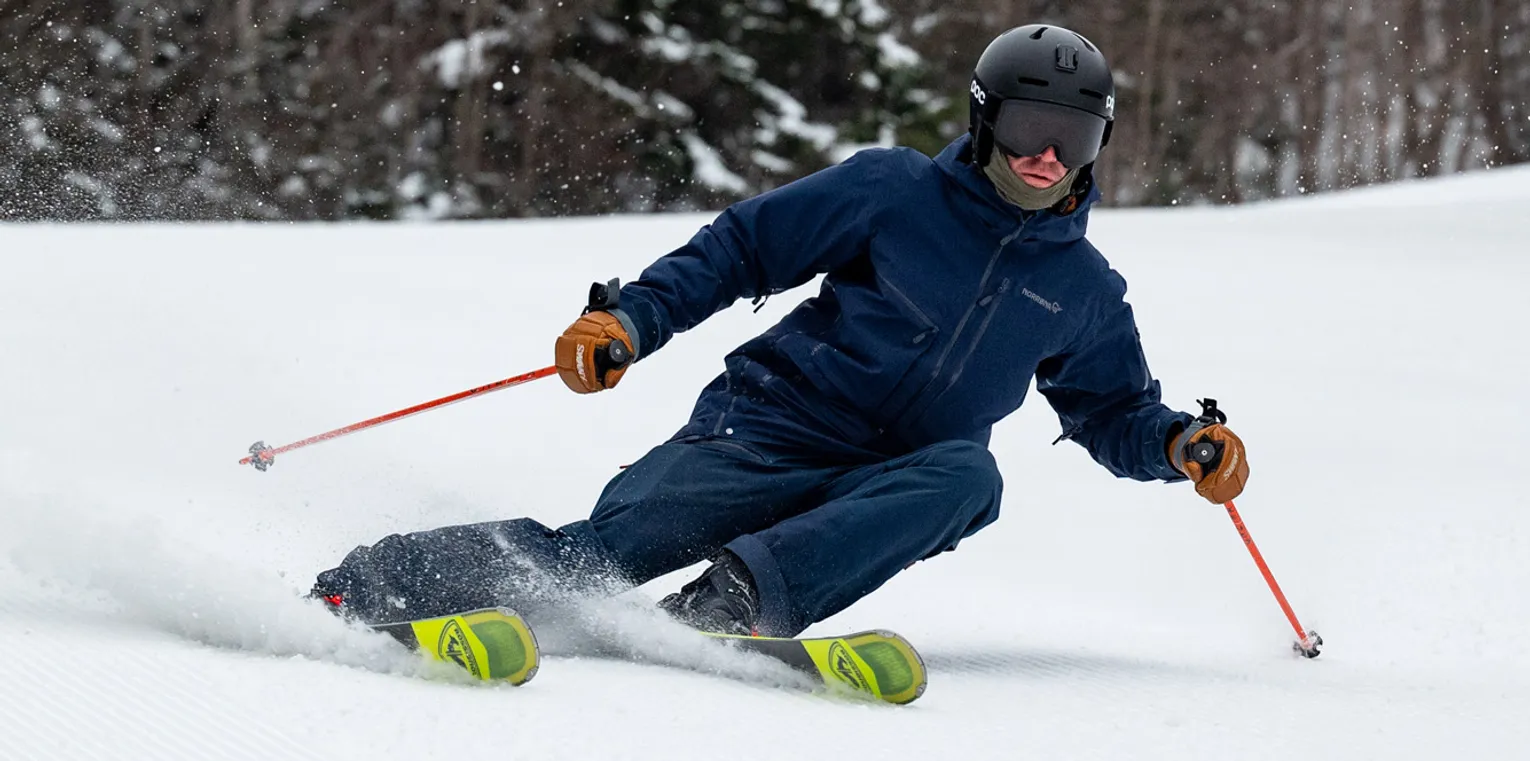
For bumps and trees, this ski feels more traditional than modern, and for a lot of us, that’s an excellent attribute. While it’s not a zipper-line thumper in the moguls like some softer and straighter skis, the Arcade 84 is more than willing to turn sharply around the bumps more so than they want to rip right through them. This is fine and will likely fit in stylistically with more skiers. Skiing the bumps in various ways was easy, and while moguls aren’t inherently simple, this ski at least takes the guess out and makes for a more consistent experience. In the woods, the ski operates better when the snow is packed rather than deep. We felt this way about the Experience, and that carries forward into Arcade. The good news is that in seasons which feature lower snow totals, this style of ski is highly useful. We get a lot of packed-out glades here in Vermont, and when the track is set, these skis are eager and willing to follow. When the snow gets softer and deeper, the Arcade isn’t going to stack up to the more freeride skis in the line, but that’s all part of the theory here. Most skiers are going to view and experience this Arcade 84 as a true everyday ski, full of utility and excitement. Deep powder is not the idea here, and realistically for most skiers, it’s rare.
By focusing on the masses, Rossignol has a winner here. The Arcade 84 is all about having a good time, mixing up turn shapes and styles, and experiencing all that the mountains have to offer. There are exceptions and limitations for sure, but this ski is focused more on the huge swath of middle ground in the ski world. Skis at 120 mm or wider underfoot will obviously be more useful in waist-deep snow, but that’s just not the reality for most skiers. Race-oriented skis that are narrower and stiffer will certainly carve better, but those take a lot of effort and focus. Rossignol is playing the percentages with Arcade 84, and it’s a smart move considering the vast amount of mid-range skiers. The best part is that they’re making a high-end ski for this skier at a pretty good value, bringing with it a multitude of positives for 2025.