2026 Salomon QST 106 Ski Review
For 2026, the Salomon QST 106 falls in line with the rest of the QST’s in terms of build but keeps a lot of its individualistic shaping principles that has kept it somewhat more aggressive, and athlete focused over the years. When most other QST’s, including the Blank, moved to a shorter radius turn, the 106 stayed strong, relying on speed and more aggression in its character—attributes that were requested of Salomon by its pros. And it makes sense, as the 106 is an awesome blend of flotation on powder and power in crud. Not to mention, this thing low-key rips groomers. While nobody is here looking for a 106 as a dedicated groomer ski, it’s hard to ignore just how smooth, capable, and predictable this ski is in a carved turn on corduroy—it's an extremely satisfying arc. The main changes here surround the construction first and foremost, but then we add more rocker, camber, and splay as well as a slight increase in forebody width.
At a Glance:
2026 Salomon QST 106 Skis


| AVAILABLE SIZES | TURN RADIUS | SIDECUT | WEIGHT | PRICE |
|---|---|---|---|---|
| 157, 165, 173, 181, 189 cm | 19.5 m @ 181 cm | 139 / 106 / 126 m | 2,000g @ 181cm | $749.95 |
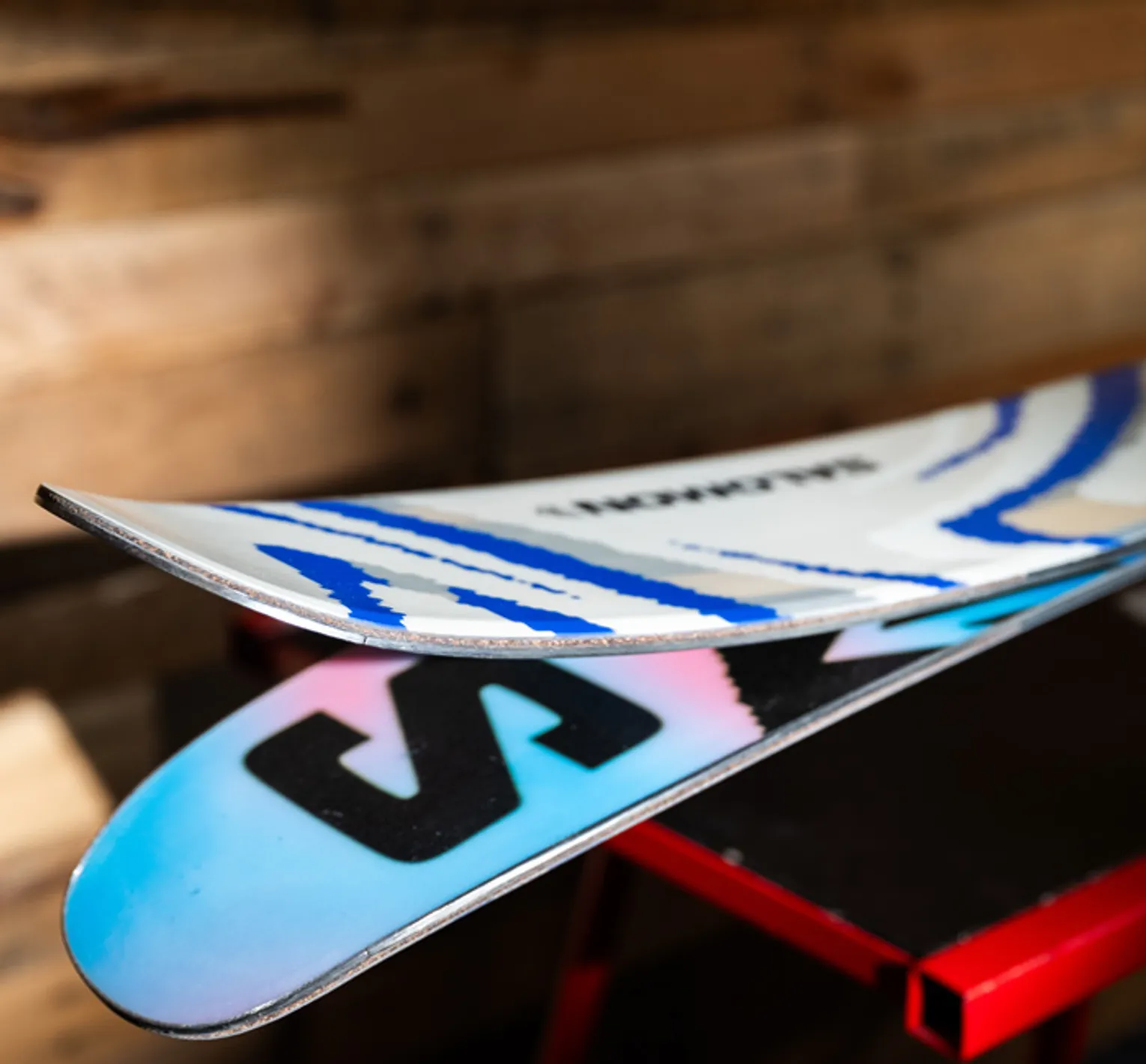
The new construction of the QST 106 isn’t overly complicated, but there are a few standout features here that are worthy of note. Built with a full poplar wood core, the skis have a consistent feel and flex. Salomon adds basalt fibers embedded into the fiberglass laminate on top of the ski to provide increased energy as well as dampen vibrations—any additional materials will do this bidding, but it is a notable move away from the C/FX laminate in the previous 106. They also do away with the double sidewalls in the 2026 version, relying more on a consistent core and sidewall construction. This adds power to the mix while the double sidewalls focused more on keeping it quiet. In the tips and tails we get new Cork Damplifier laminates that extend considerably further down into the ski, almost taking up the entirety of the rocker profile, mainly on the sides. The horseshoe-shaped cork laminates keep the ski smooth and silent on any type of snow condition or terrain. In the 181, this build creates a weight of about 2050 g/ski which is about 100 grams lighter than the 2025 version. The flex is similar, but it does seem like the new ski is a bit more flexible overall than the outgoing 106.
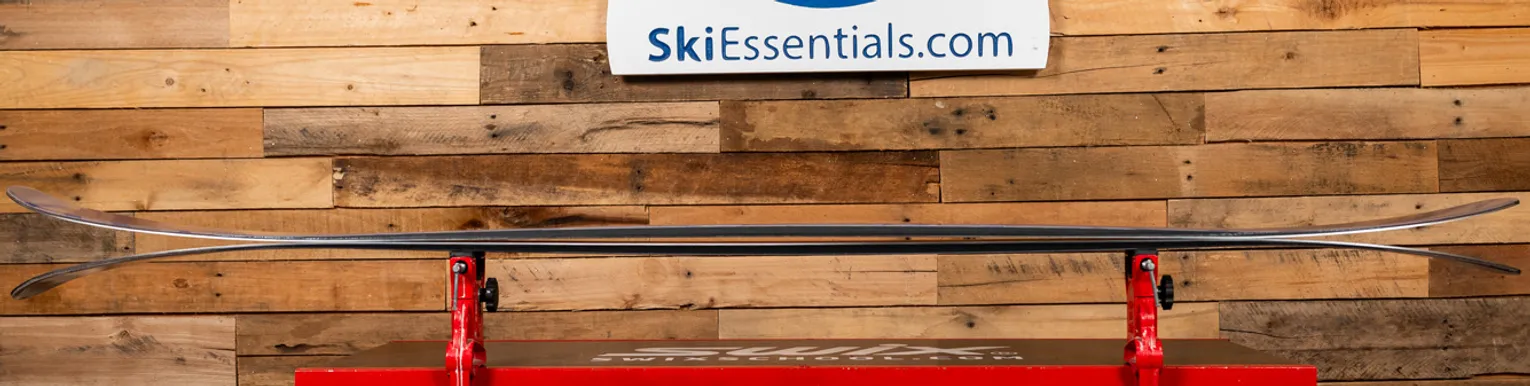
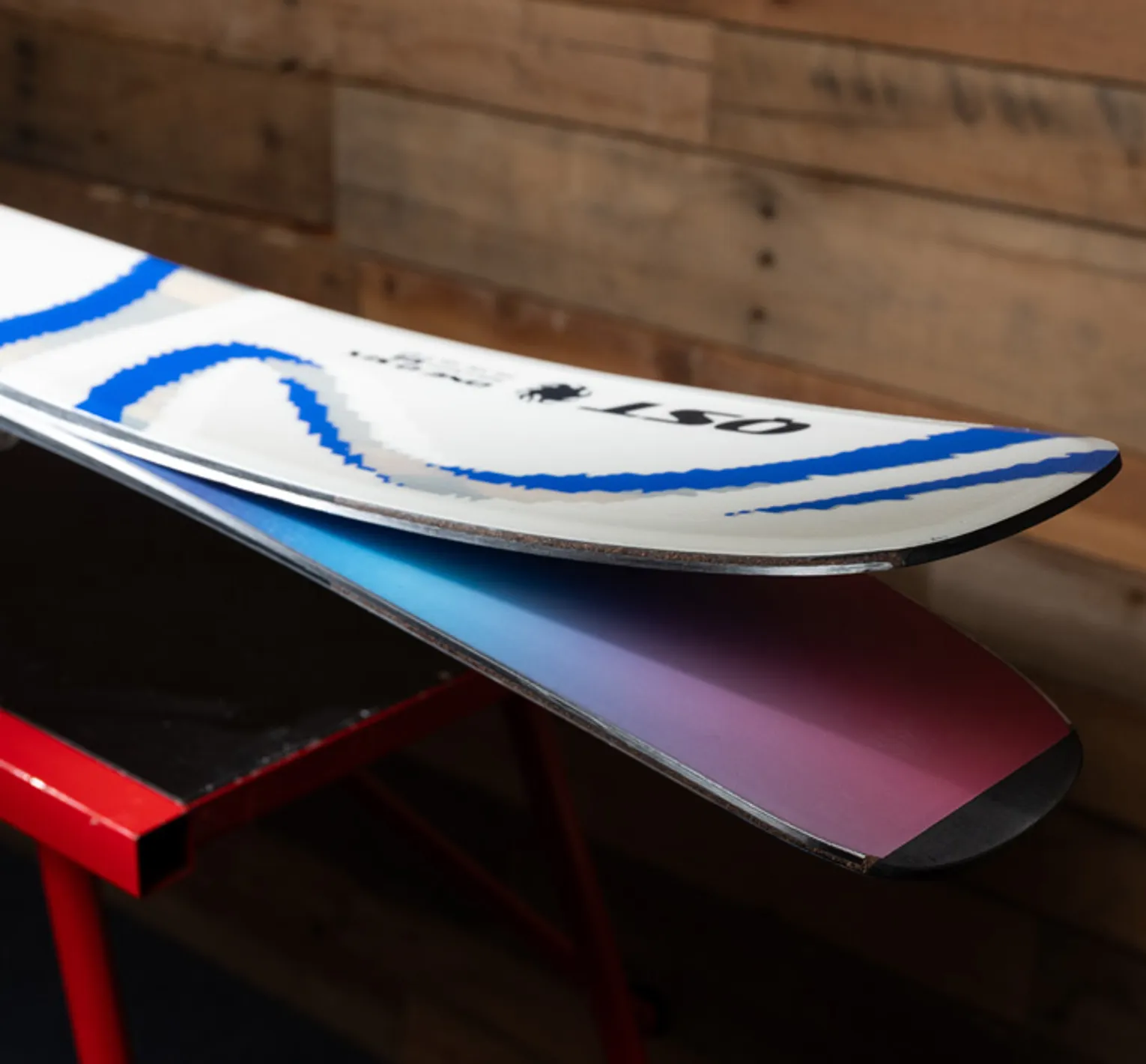
While the catalogs may indicate that the 2025 106 has a similar rocker profile than the 2026, it sure doesn’t look like that in real life—I do think the percentages that they use as measurements may be a little off. When we put the skis back-to-back, there’s clearly a longer profile and a more dramatic splay to the new 106, and this makes sense as it’s much floatier and more poppy than the older version. In addition to the increased rocker, there’s also increased camber, making this new ski look a bit more like a Dynastar M-Free 108 with a lot of drama in the profile. With measurements of 139/106/126 in the 181, the ski generates a 19.5-meter turn radius. While these are identical numbers versus the 2025 shape, the radius increases a half a meter in the new ski due to the changes in taper. The entirety of the forebody in the new ski tapers in a bit earlier than that of the older one, lending more smoothness and a slightly curvier shape to the mix. Similar to what we see with the new QST 94, the 106 has a more squared-off tail giving it a bit more to hold on to when the conditions degrade.
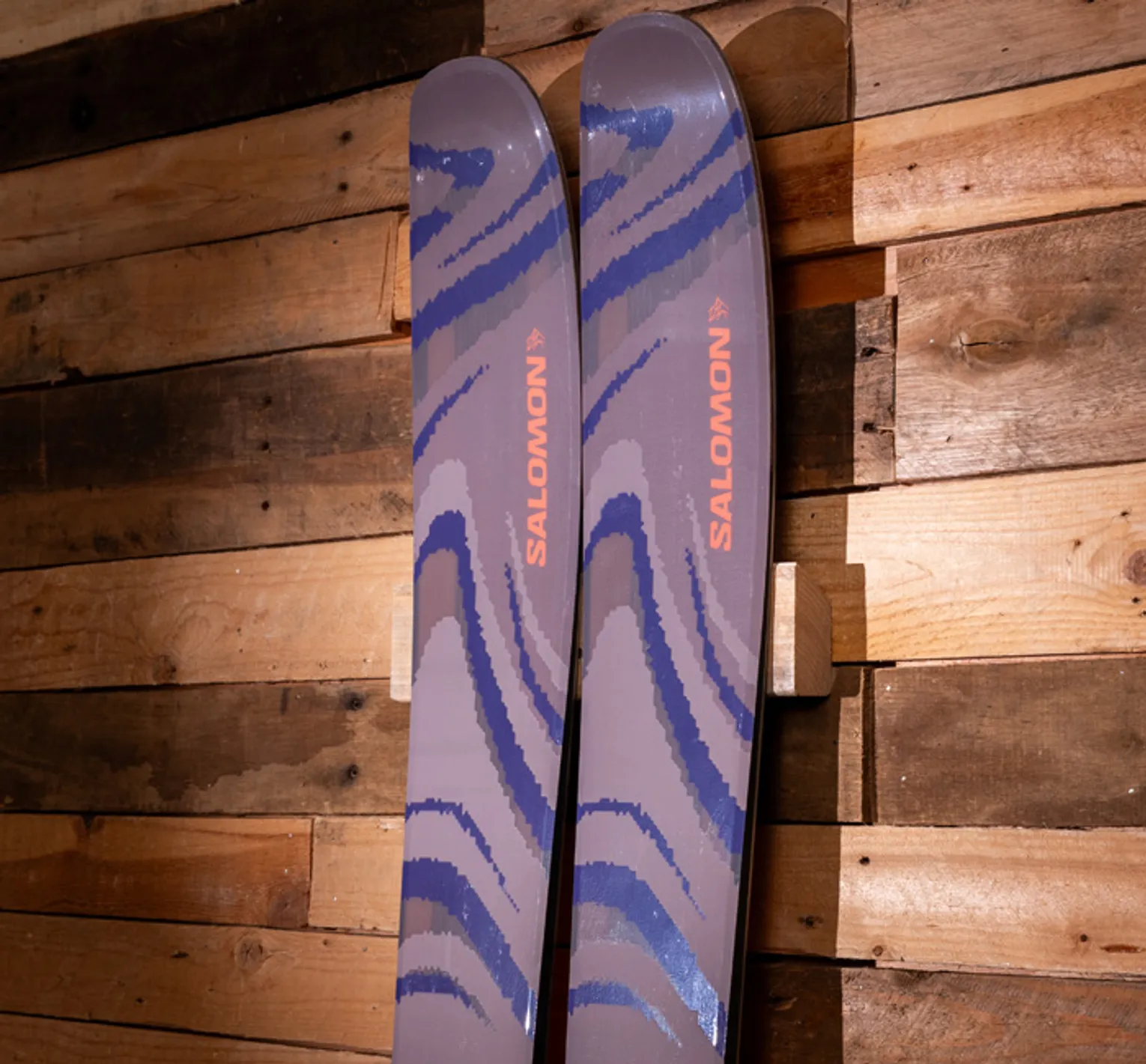
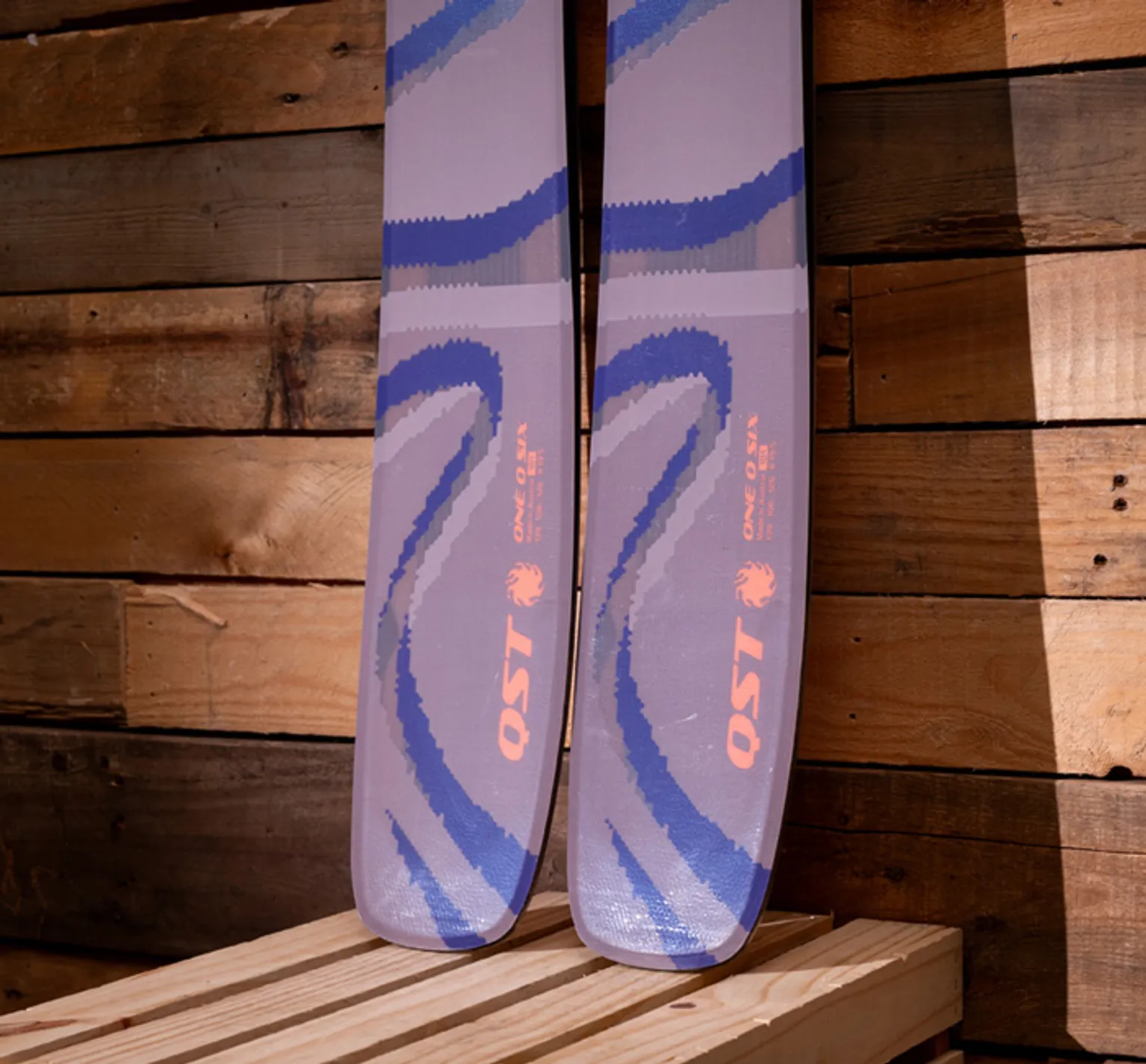
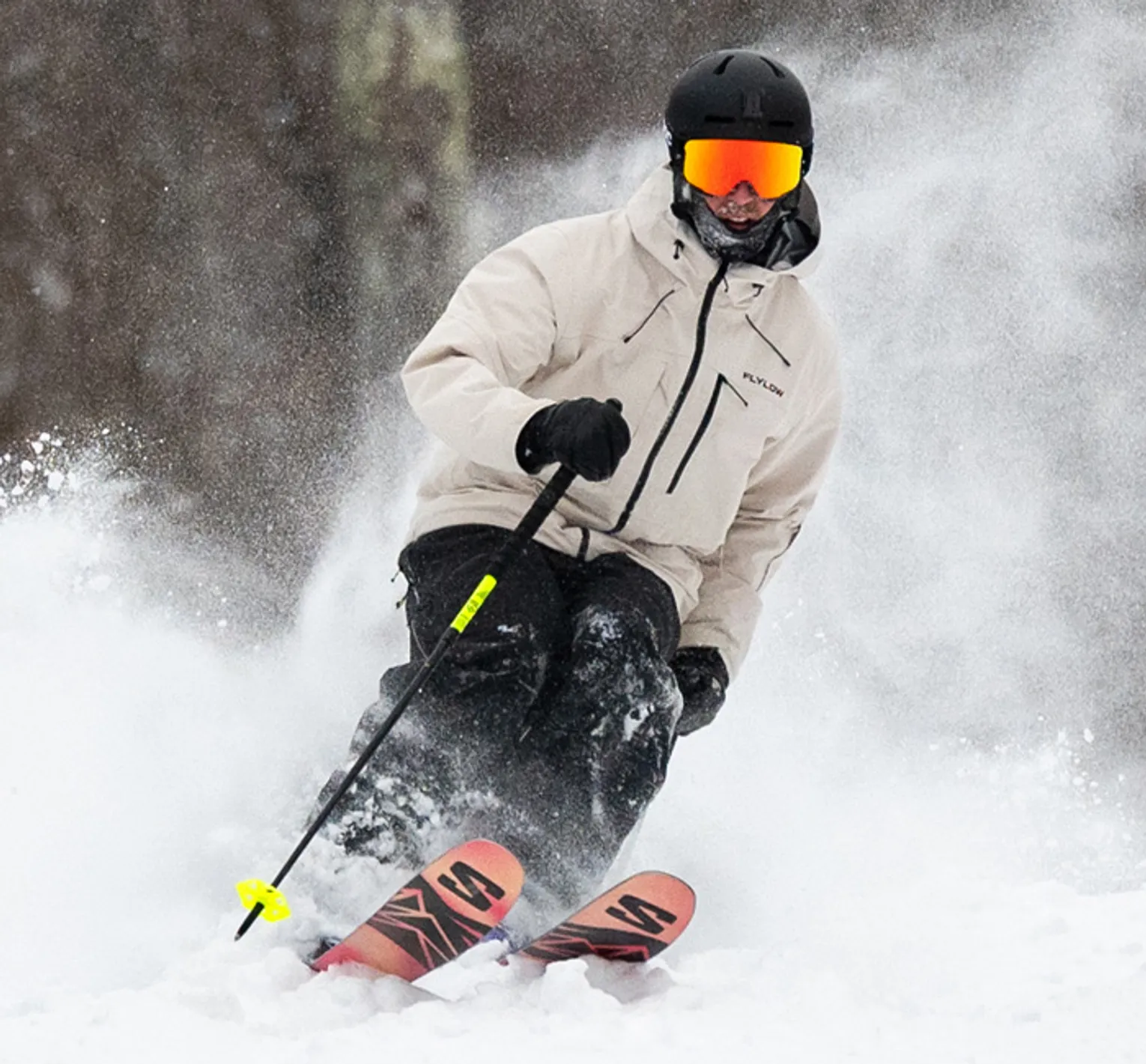
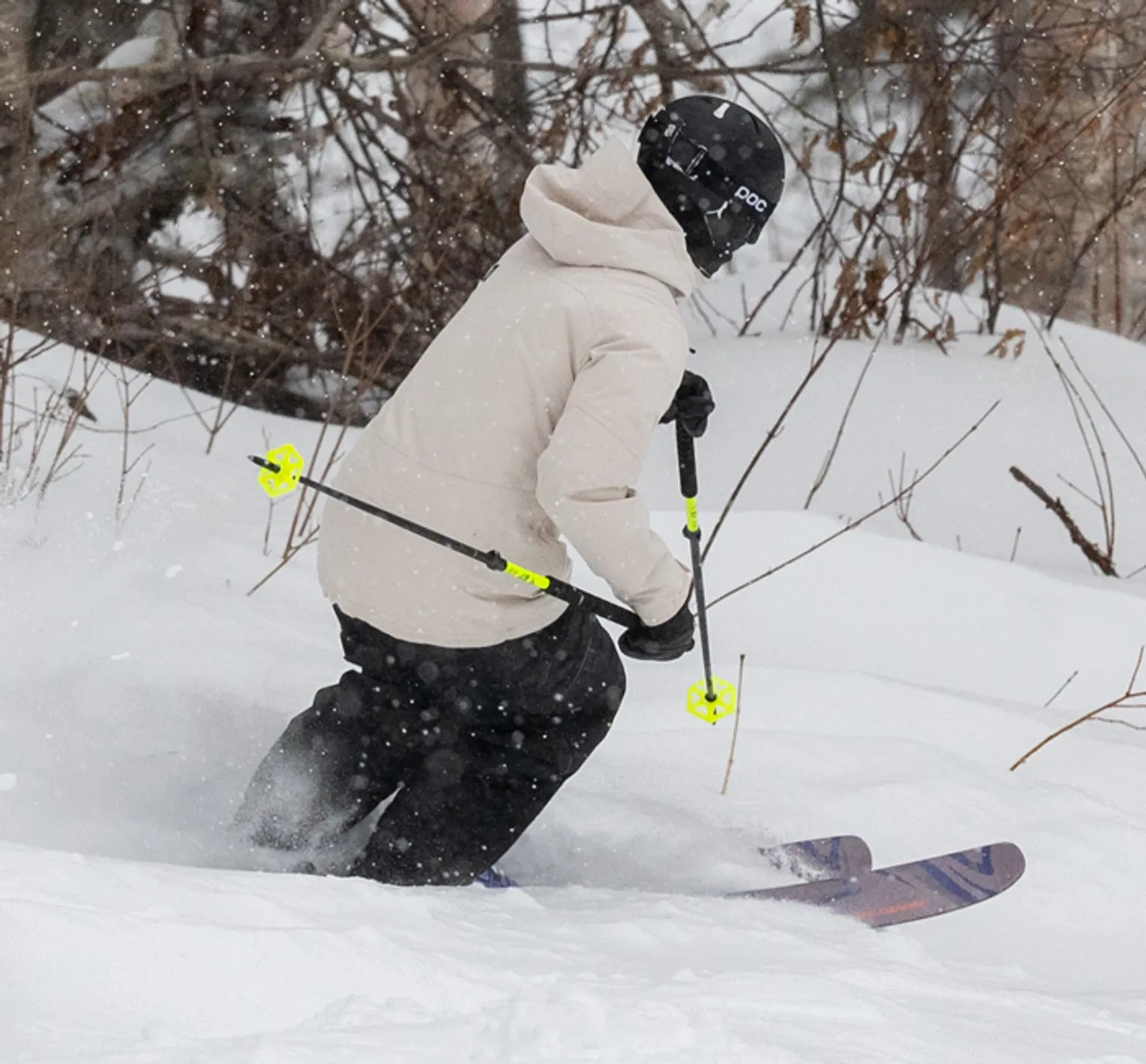
This new 106 is, first and foremost, a wonderful soft-snow and off-trail ski so that’ll be the bulk of the performance focus. Anything soft, whether it’s knee-deep powder, windblown surfaces, spring mush, or anything else with multiple dimensions is a total blast on these skis. They are 100% predictable and totally intuitive when it comes to turning either long or short-radius style arcs in variable conditions and terrain. The increase in rocker and splay allows for bouncier skiing versus the outgoing 106 that was more connected to the snow, and perhaps a bit smoother. This new 106 does give off peppier vibes, and the increased camber and shovel taper has a lot to do with it. The weight of the ski allows it to bust through crud and chop with ease at speed—this ski maintains its intended line quite well and does not get deflected easily. It’s maneuverable enough to be an effective tree ski here in Vermont, but it does seem like wider spaced woods are more aligned with the ski’s radius and weight. All this means that you need to put in a bit more work to get the new 106 to be as agile as lighter and more flexible skis at this width range. Black Crows Atris comes to mind as one of those lighter and surfier skis, bringing more of a creative feel versus the QST’s more stout and proper form. This isn’t quite narrow enough to be considered a mogul ski, at least not by Stowe definitions, but for wider spaced and powder-filled bumps, it’s a clear winner. What we loved about the 2025 version was how easily and succinctly the front of the ski enters the turn, and this bodes well for soft mogul performance, and that attribute happily carries forward into the 2026 model. The thing we all like best, though, is pure powder and wider spaces. In that regard, the 2026 model is a standout ski here. With incredibly smooth transitions between turns and a floaty character, this ski is wonderful in untouched snow. There’s a good sense and balance of power and predictability here, and that benefits the skier greatly in anything soft. While it can be used aggressively in bigger jumps, drops, or technical lines, it also has a great mid-range that is well served by skiers who aren’t full send all the time.
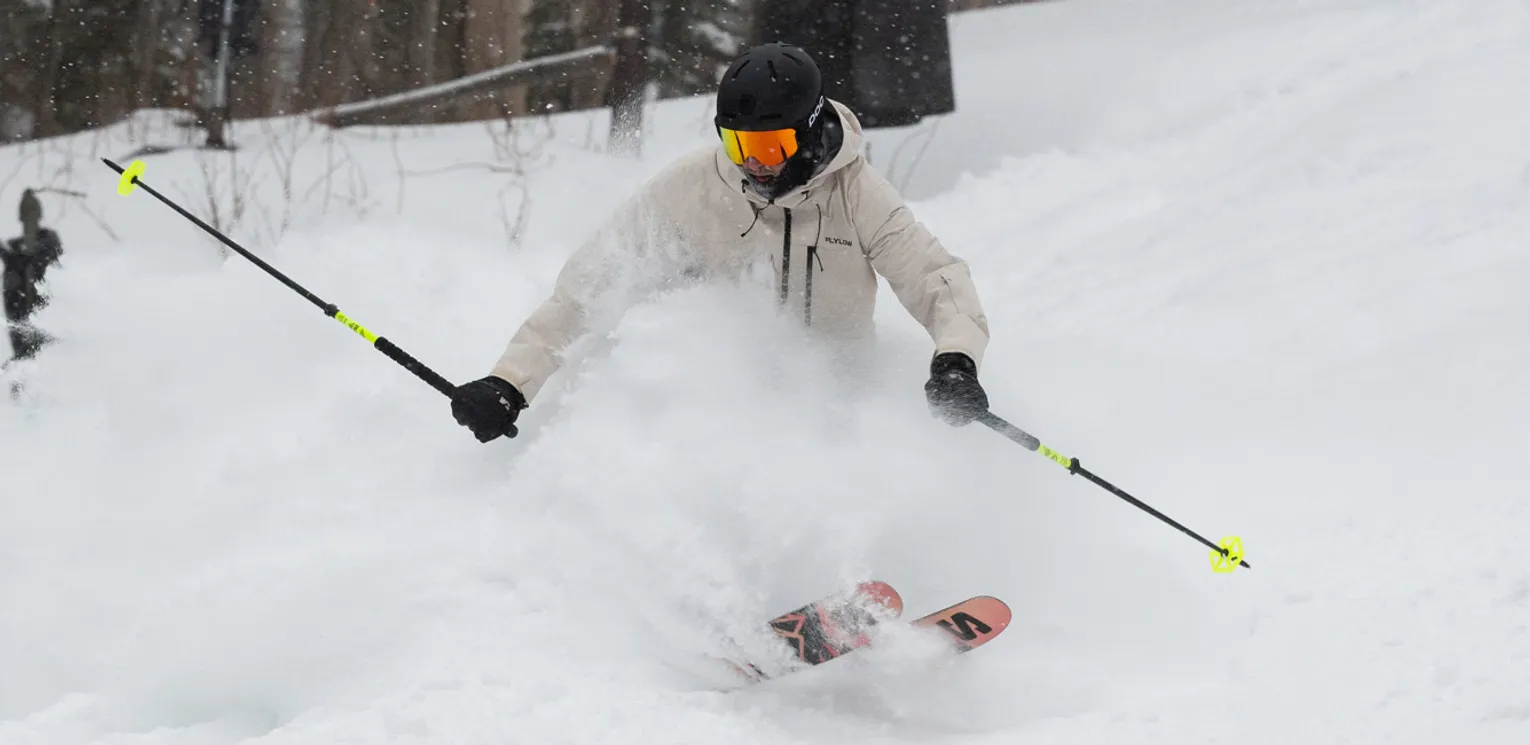
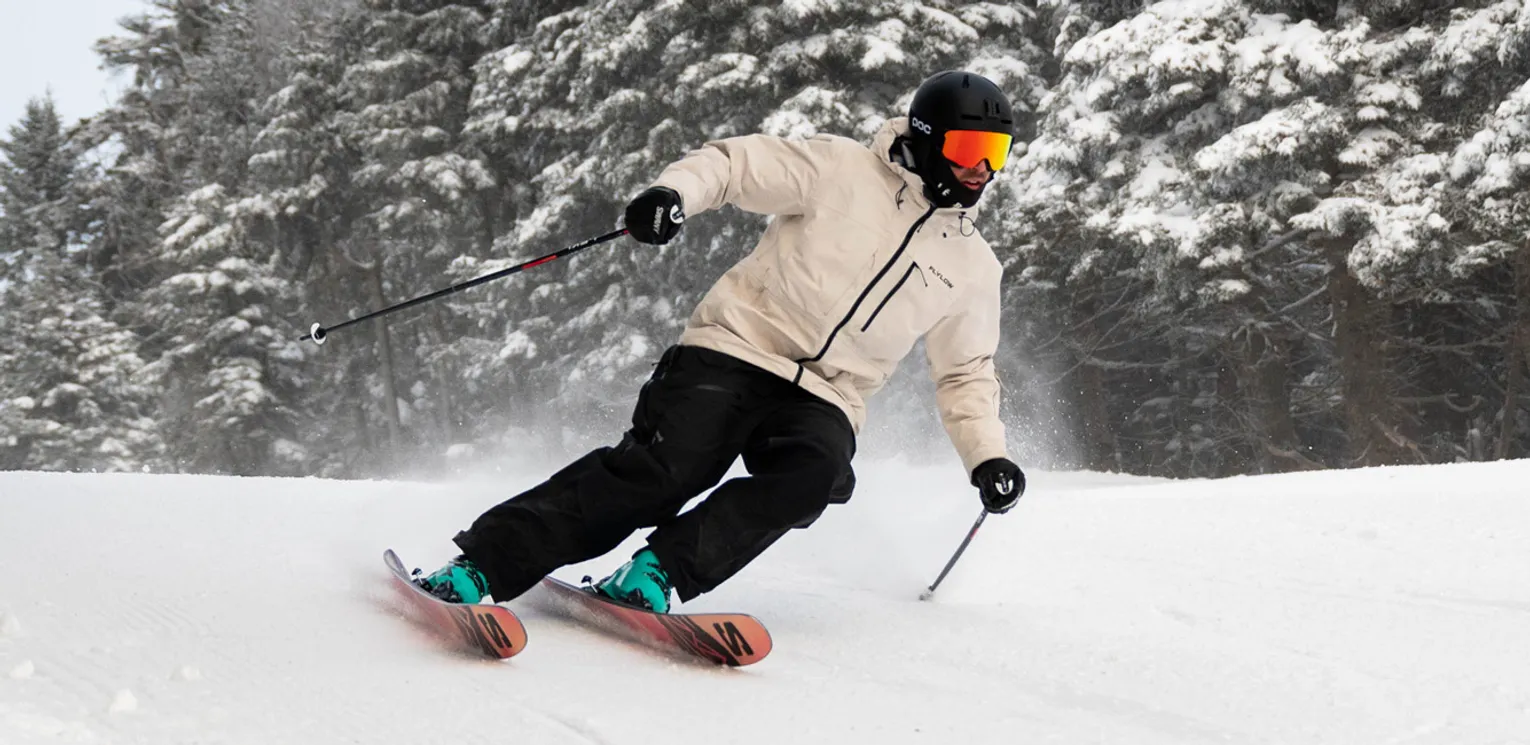
While any 106 isn’t going to be touted as specializing in groomer or on-trail performance, it just so happens that the 2026 QST 106 is a fantastic on-piste ski. It’s incredibly smooth and rewarding on packed powder groomers. The initiation is fantastic, the ski holds and rides a very clean edge, and the rebound is very good for a ski of this width. Clearly, the narrower skis in Salomon’s QST and Stance are more appropriate for higher percentage use in an on-trail format, but if you’re looking for a wider ski first and a carver second, you could do way worse than this QST 106. The full poplar wood and basalt fibers allow for deep carves and trenches with total stability and smoothness. Quick turns are a bit more of a challenge, but if you’re the type of skier that likes to park and ride a carved turn, these are sweet. When it gets icy, the quality of grip certainly degrades, but as long as you can get at least some purchase in the snow, the overall quality of the ski allows for clean, precise, and beautifully round turns on smoother snow.
Depending on your point of view, these could be considered all-new skis as there is a significant change in construction, shape, and profile, but each part is only slightly altered. We’re looking at more rocker, more playfulness, and we’d say slightly more power as well. Basically, the new QST 106 follows suit with the other skis in the new QST line, as they all get their own individuality while also fitting in quite well together as a cohesive lineup. The 106 splits the difference between all-mountain and powder, and does so with a balance of aggression, poise, and smoothness. If you’re an advanced or expert skier looking to seek out soft snow and make a mess out of the hill, you’ll be in good company with the new QST 106 on your feet.