2025 DPS Kaizen 100


- Recommended terrain
- All-Mountain
- Ability level
- Advanced
- Rocker profile
- Rocker/Camber/Rocker
- Construction
- Split Core-Poplar over Ash, Dual Carbon Laminate, Binding Reinforcement, Sintered Base
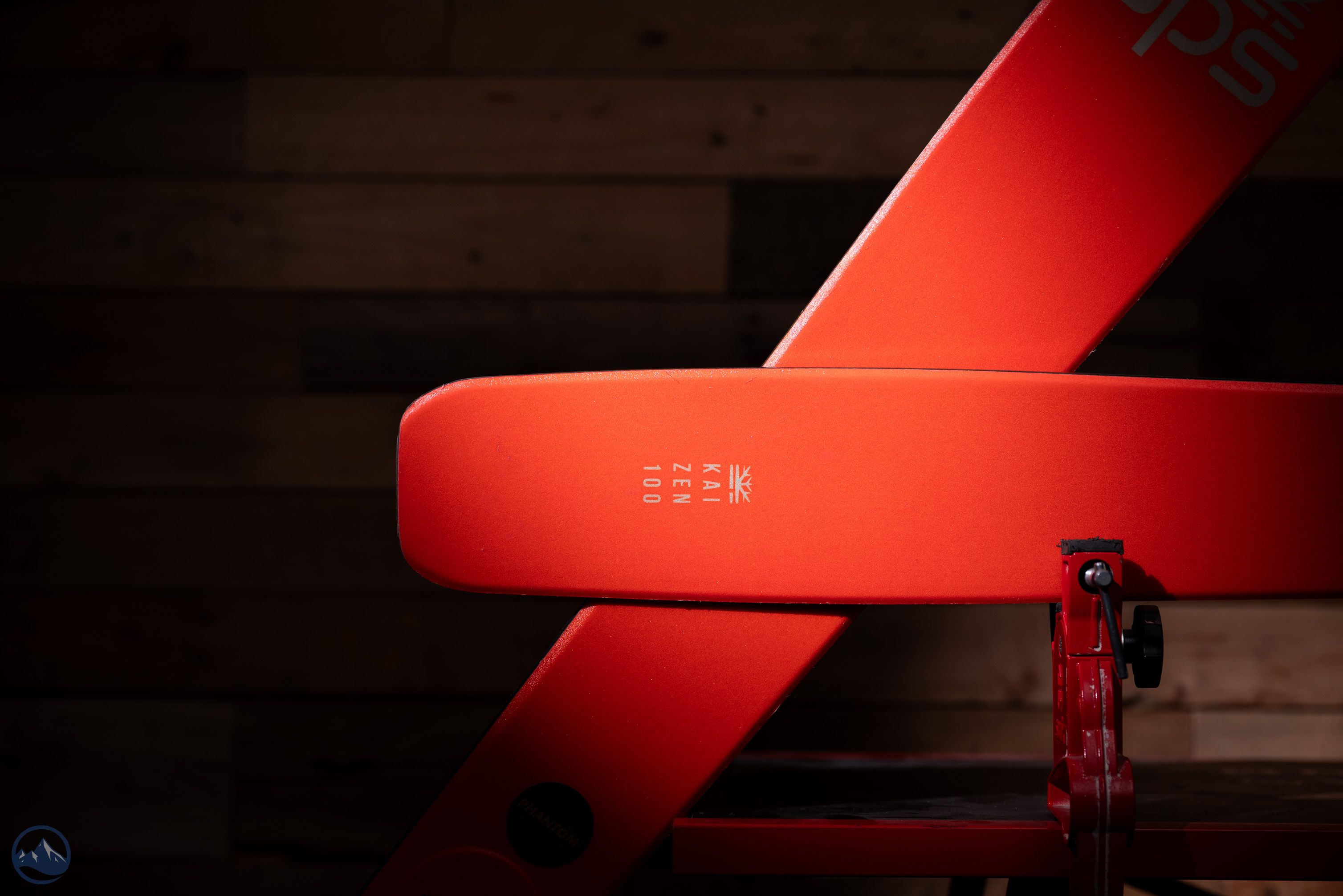
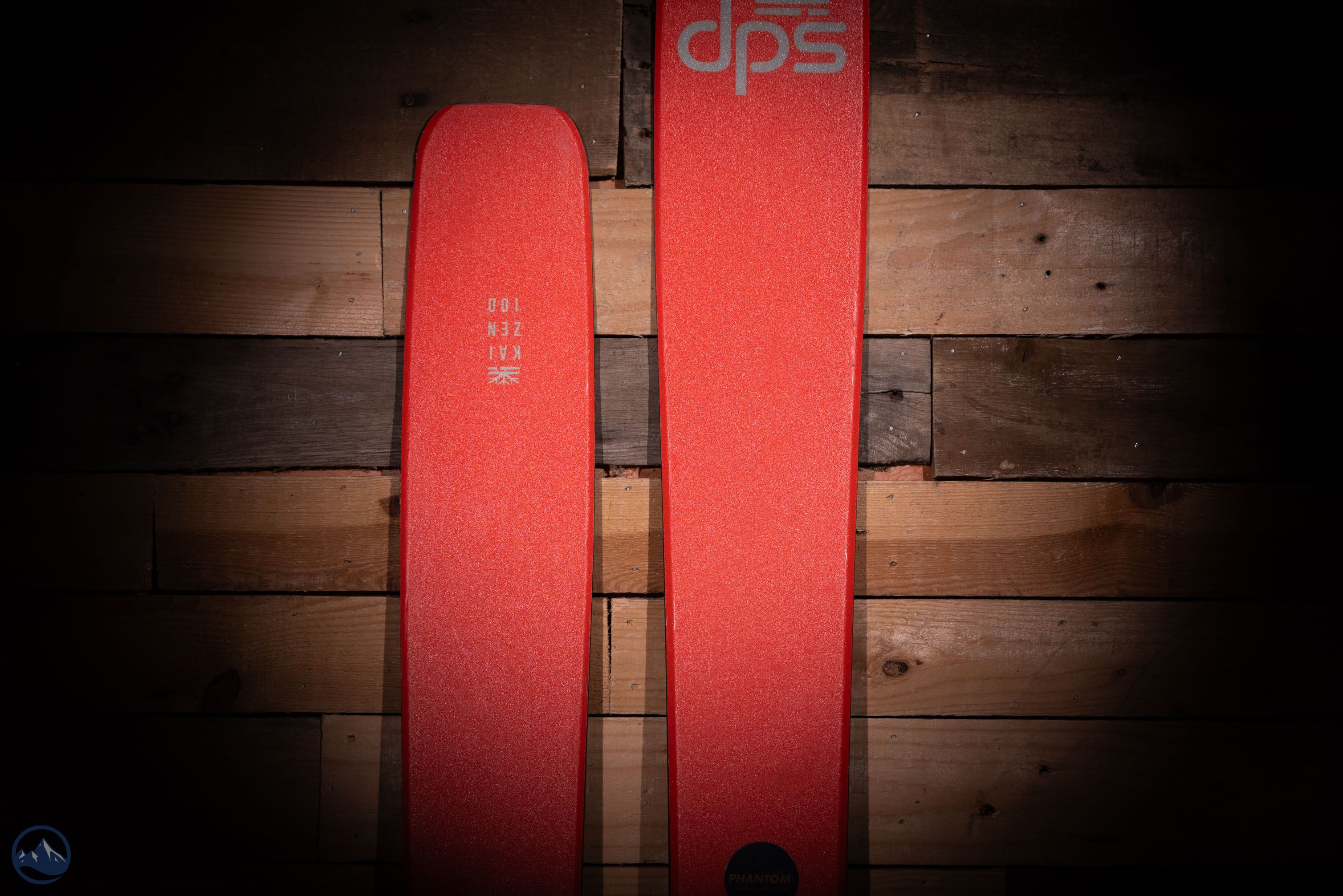
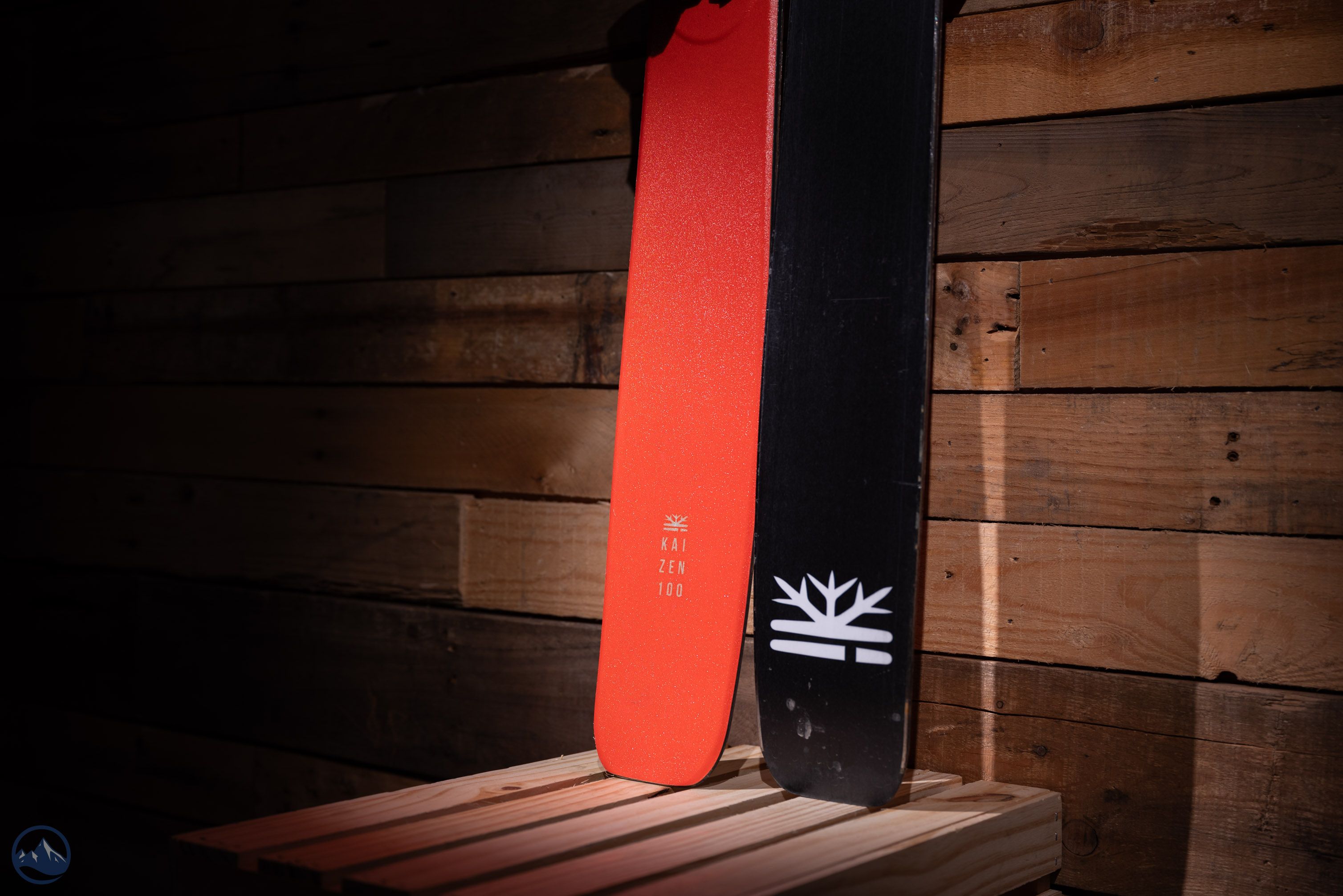
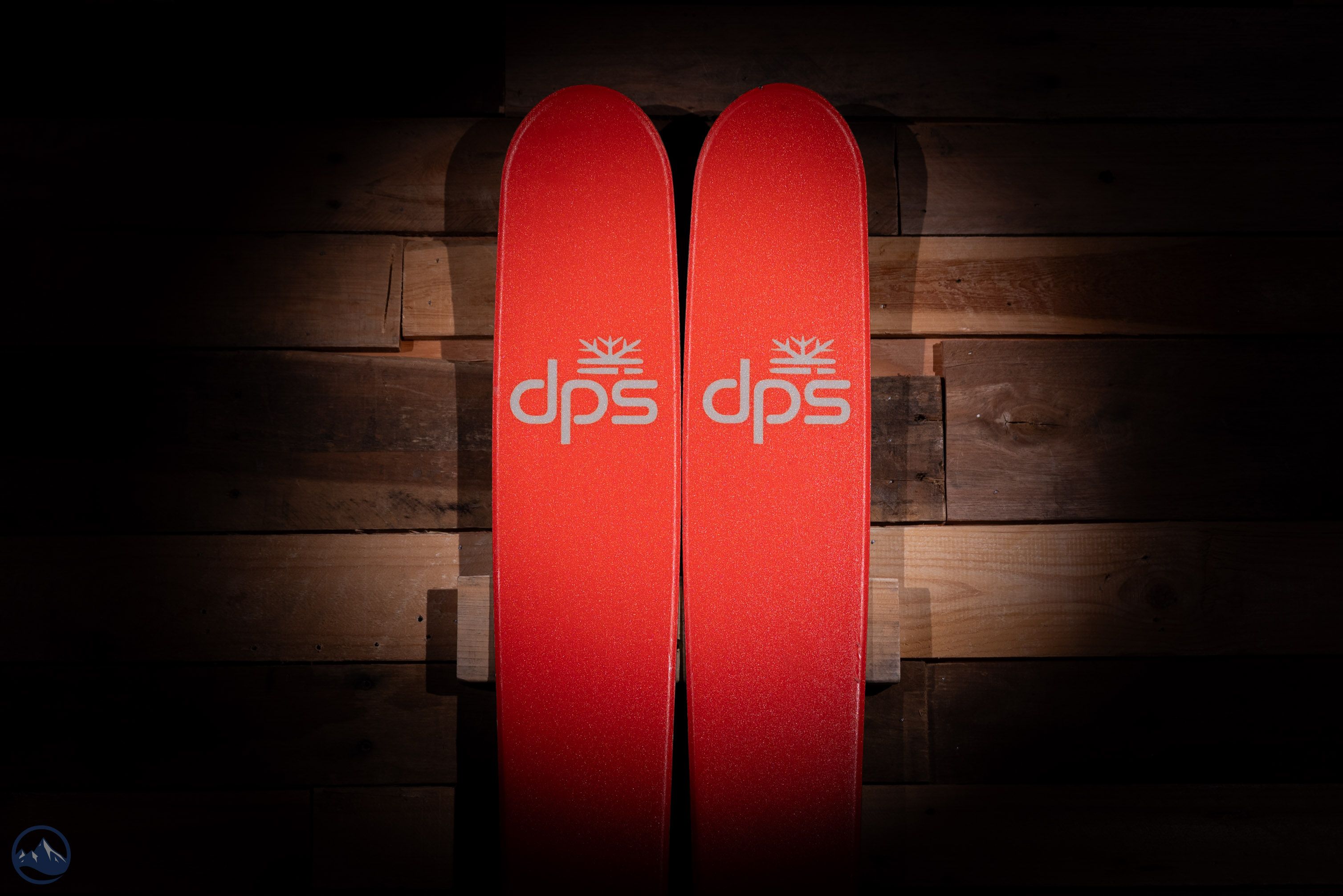
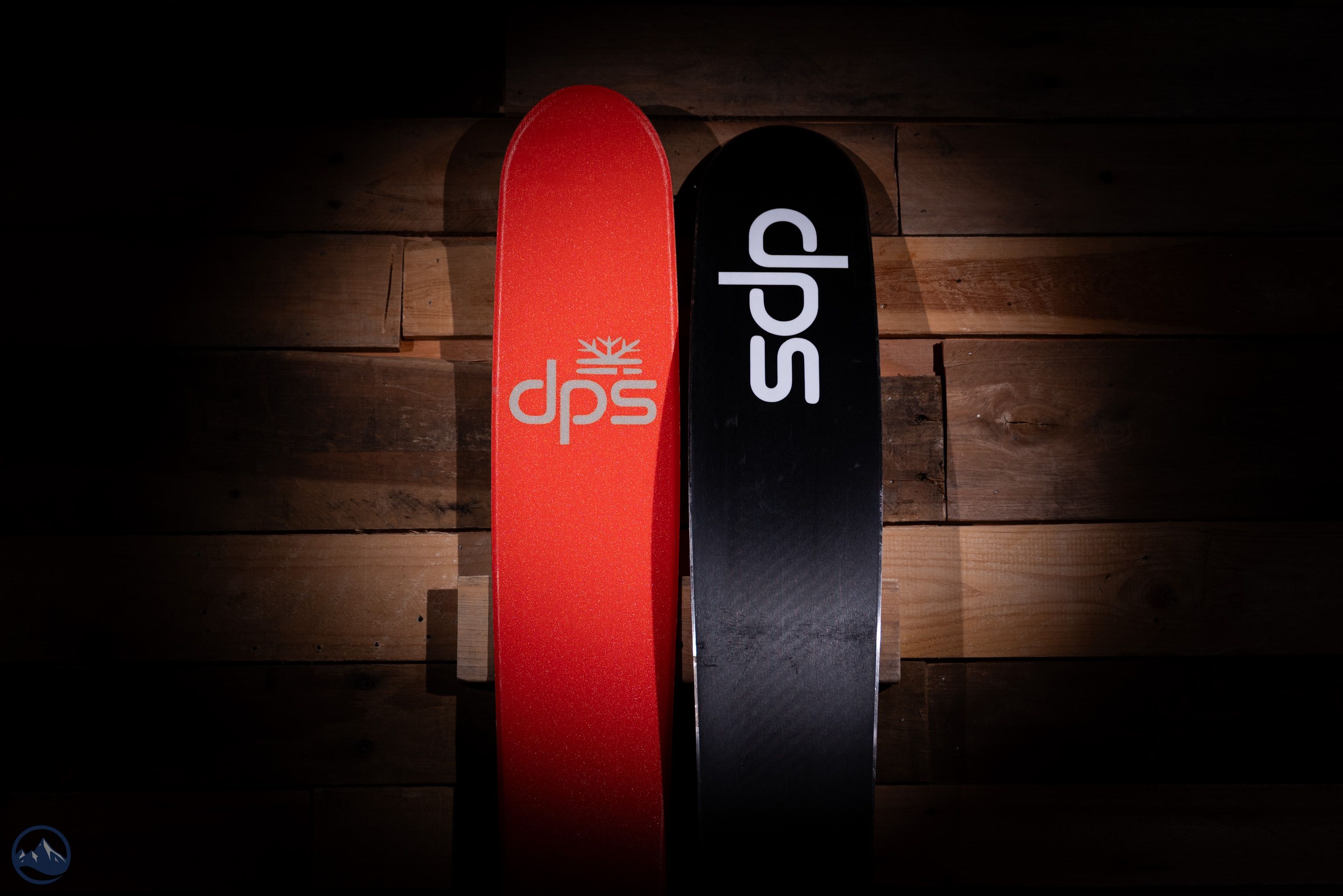
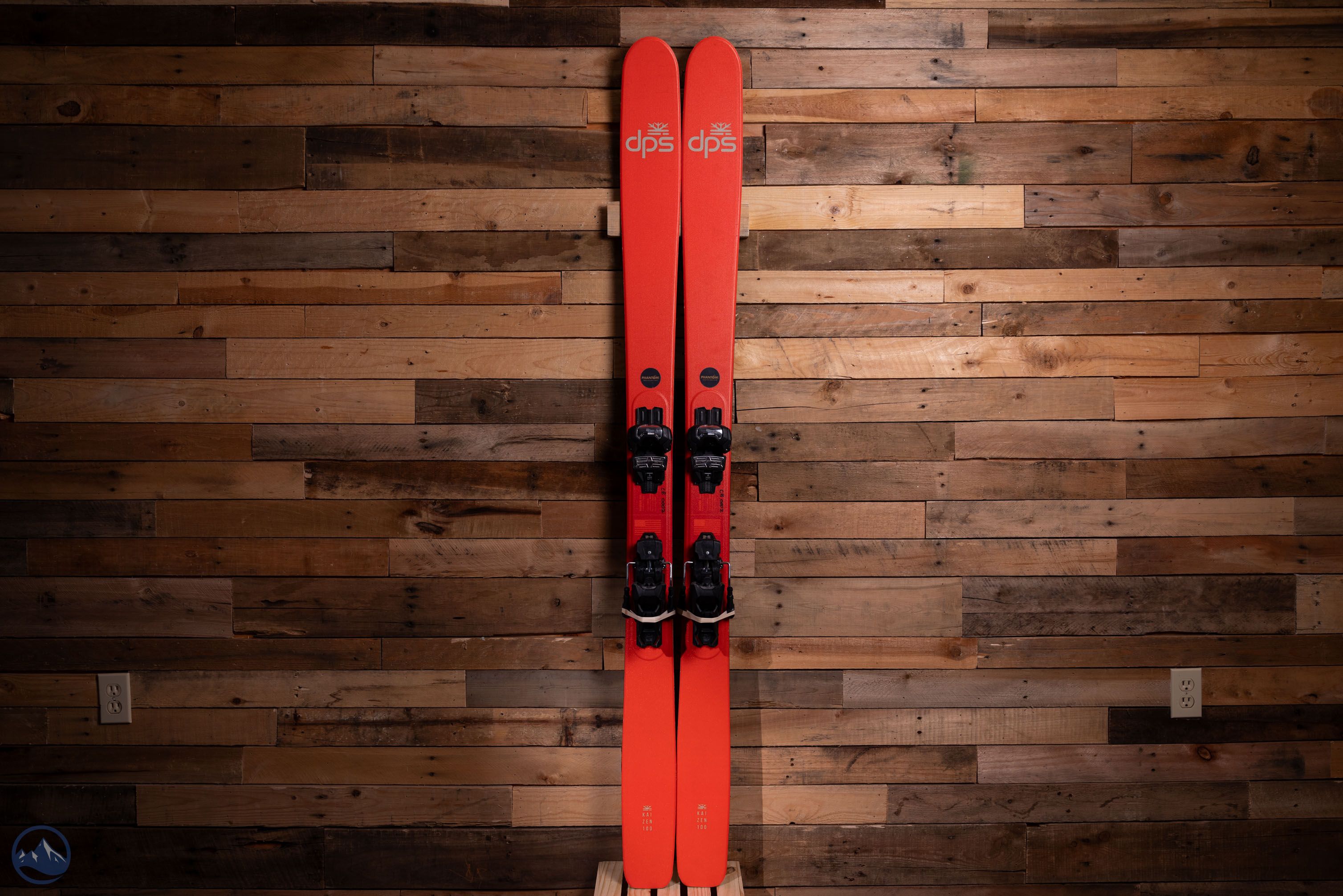
The 2025 DPS Kaizen returns for another year with no changes. Last year, new construction technologies and shapes led to the creation of the new series, which is a welcome sight. The 2025 Kaizen is closely related to other DPS skis, so if you were a fan of the Pagoda series in previous years, these new skis will certainly feel familiar. The Kaizen Series is supposed to be DPS’ directional freeride line with many applications. Specifically, the Kaizen 100 is likely the more versatile of the series due to its performance both on and off trail. A stable and responsive construction, coupled with a progressive freeride shape lends a high degree of performance anywhere on the mountain. Whether it be fresh groomers or powder, these skis are a bunch of fun in the soft snow with their responsiveness and maneuverability. However, they are not the greatest on form snow due to their pronounced tip and tail rocker profiles. The relatively short effective edge does not grip onto the firm snow as well as some other skis, but that’s ok given the fact that the Kaizens are designed for softer snow conditions.
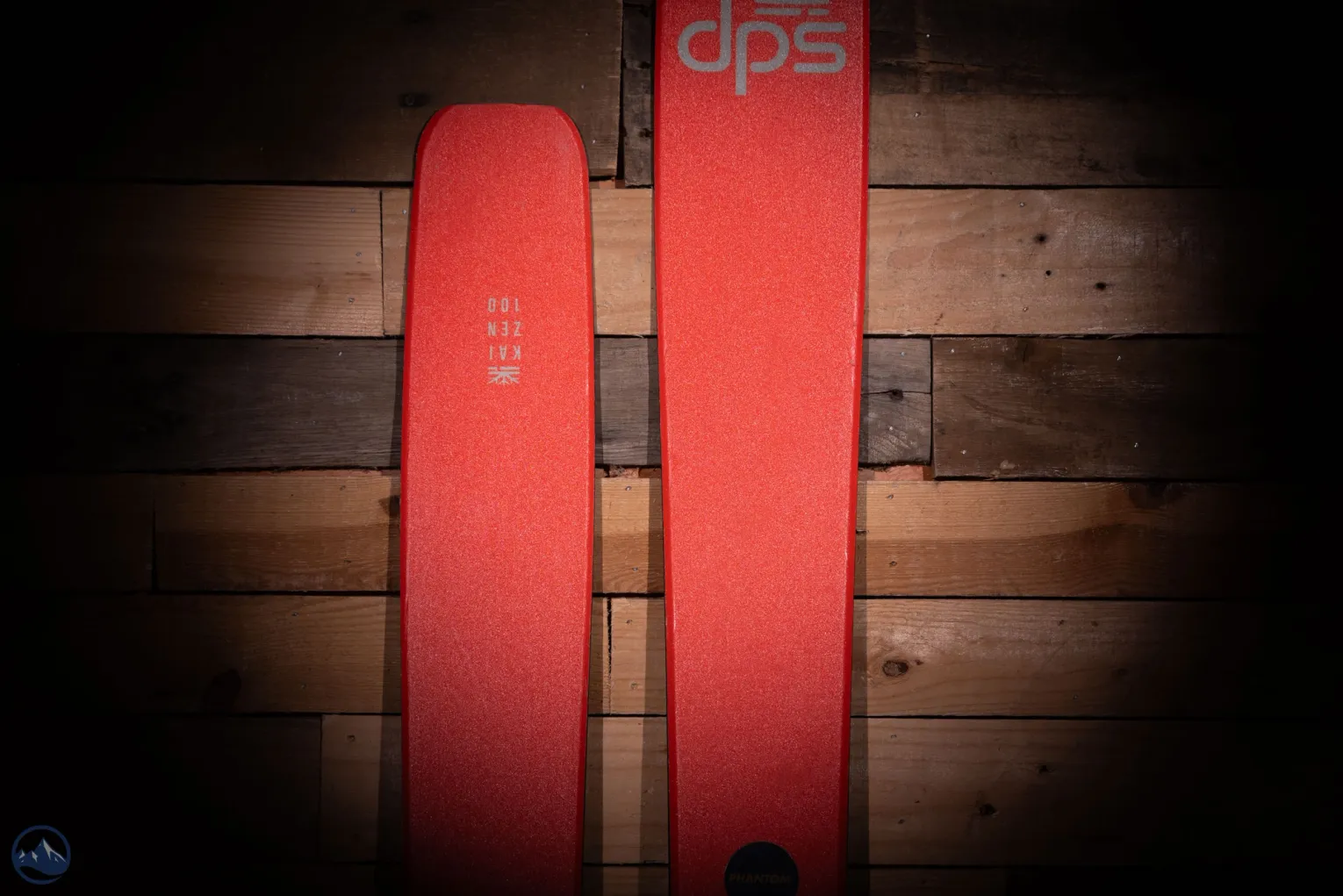
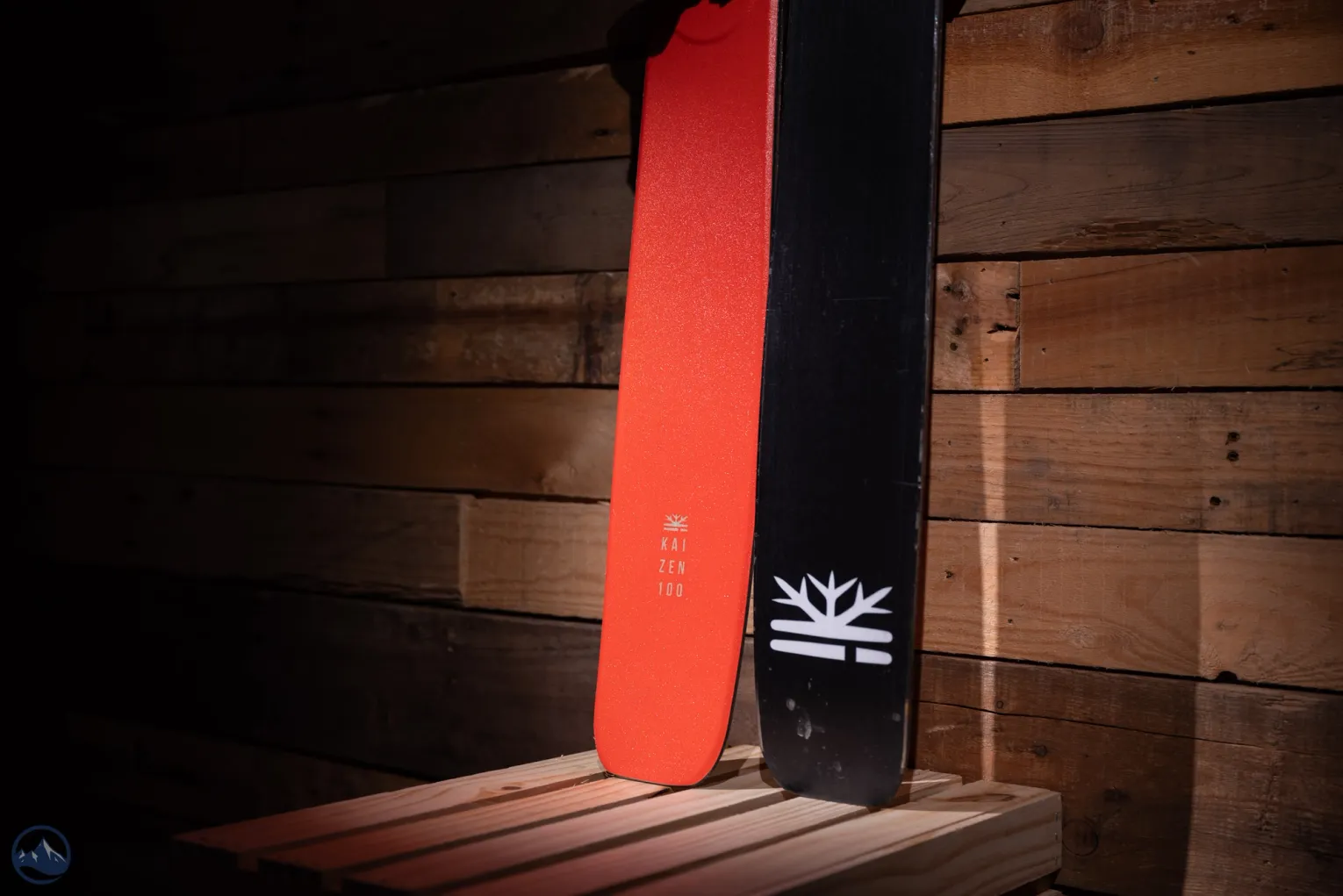
To go along with the Kaizen 100’s versatility, DPS implements their top-end construction method and material. The construction method used for these skis is called Split Core, which involves stacking two horizontal pieces of poplar and ash to maximize dampening. Poplar and ash are dense woods, making the Kaizen robust, stable, and full of energy and damp. Having all of those things is not super common in a ski, but DPS has figured out a way to make it happen. Sandwiching the Split Core are two Aerospace-Grade Carbon Fiber laminates which contribute even more dampness to the ski as well as torsional stiffness. These laminates make a huge difference in the skis’ performance when it comes to how hard they can be pushed and their responsiveness. The carbon fiber laminates have a significant amount of stored energy that is released at the end of each turn. To top it off, DPS incorporates a binding reinforcement laminate at the binding mount points. This gives you the confidence that your bindings will not rip out while in the middle of a gnarly line in the backcountry or the resort. At about 1800 grams per ski in the 179, this is an ideal weight for a directional freeride ski that can certainly be used in the backcountry if you choose to. As tester Phil McGrory notes, the Kaizen 100 is “sturdy and light. It is quick and agile.” That blend of attributes is exactly what DPS is going for with these skis.
 The Rocker / Camber / Rocker profile of the 2025 DPS Kaizen 100
To go along with the construction, the Kaizen 100 also has a refined and unique shape. A classic directional freeride profile and sidecut allows the Kaizen to be extremely versatile and able to go wherever they are pointed. What the profile offers is floatation and agility in soft snow with some ability to grip onto firmer snow when needed. There is around 45% rocker within the tips and tails and about 55% camber underfoot. The result is a smeary and slarvy ski that has a lot of energy stored within. The Kaizen 100’s sidecut certainly speaks to its versatility with a forebody width of 132mm, a waist width of 100mm, and a tail width of 117mm, which produces a turning radius of 15 meters. Tim Ryan states that the Kaizen works great in “Pow, chop, and woods. It floats easily and handles any chopped snow with ease.” A sidecut such as this is very versatile as the dimensions suit a wide variety of snow conditions and applications.
The 2025 DPS Kaizen 100 is a refined ski with limitless potential. With a more versatile directional freeride philosophy, these skis can be used within the resort or in the backcountry for many types of missions and conditions. We feel as though a hybrid binding is the most likely pairing for a ski like this, but they can certainly be paired with a full tech binding or alpine binding if you wish. Another thing to point out is that DPS speaks a lot to the Kaizen’s durability: They should perform just as well on day 400 as day 1. The aerospace-grade carbon fiber laminates and manufacturing methods are the reasons for this, so be sure to consider that when reviewing their price. So, who are these skis for? We believe they are for the advanced to expert skier who wants a versatile, directional, freeride, all-mountain ski that is durable, energetic, and highly precise.

- Ability
- Expert
- Height
- 6' 0"
- Weight
- 180
- Days / Year
- 50
- Age
- 36
- Years Skiing
- 16 skiing. 25 snowboarding



Explore More