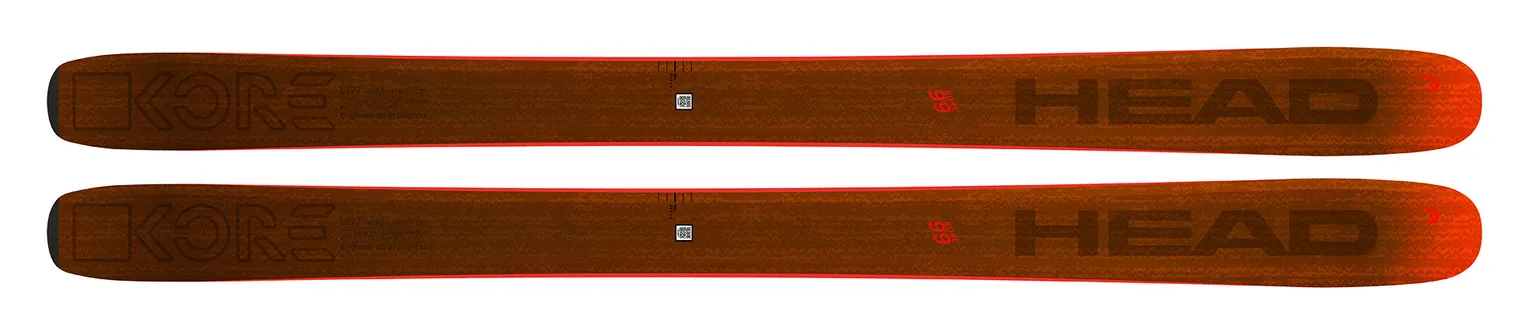
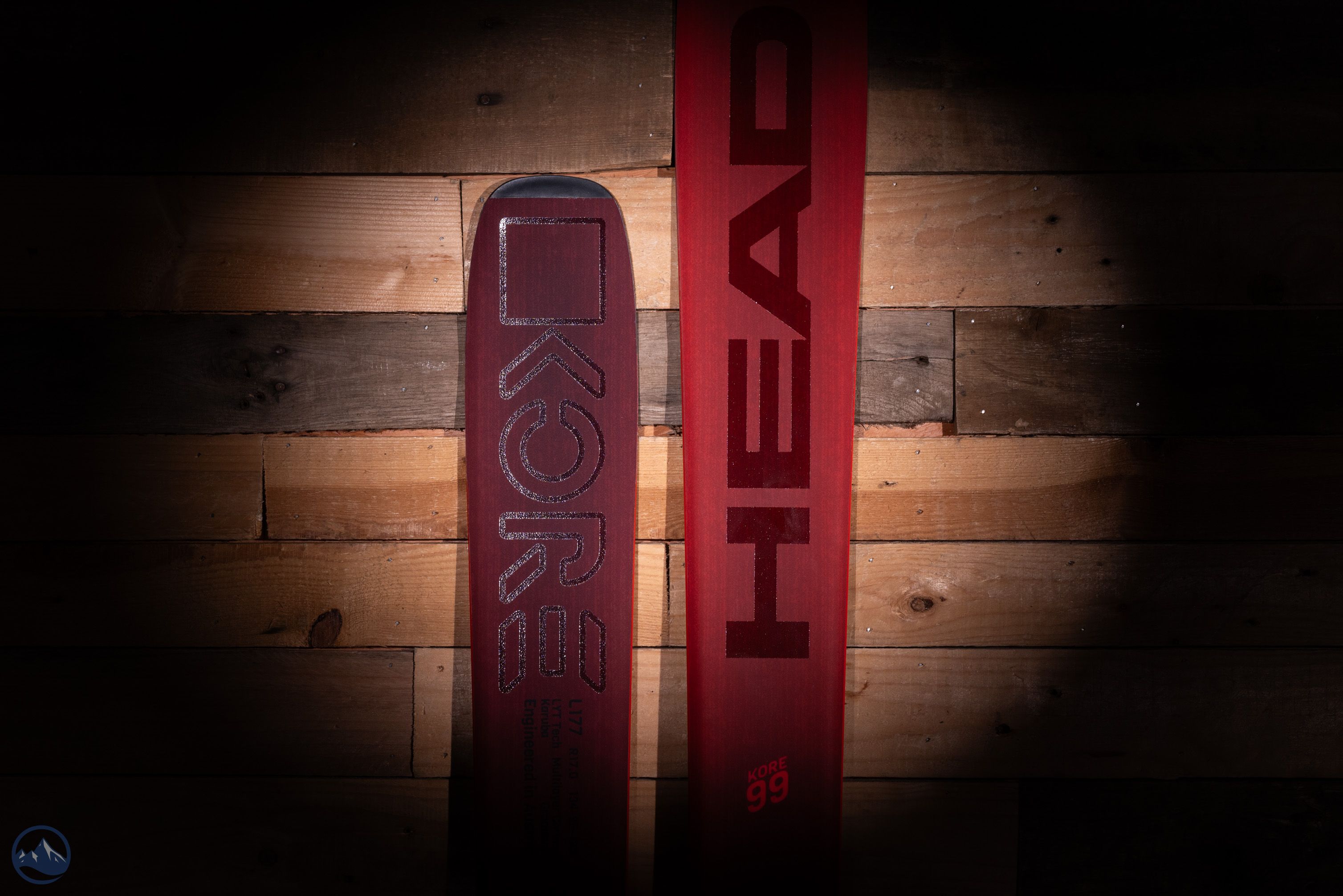
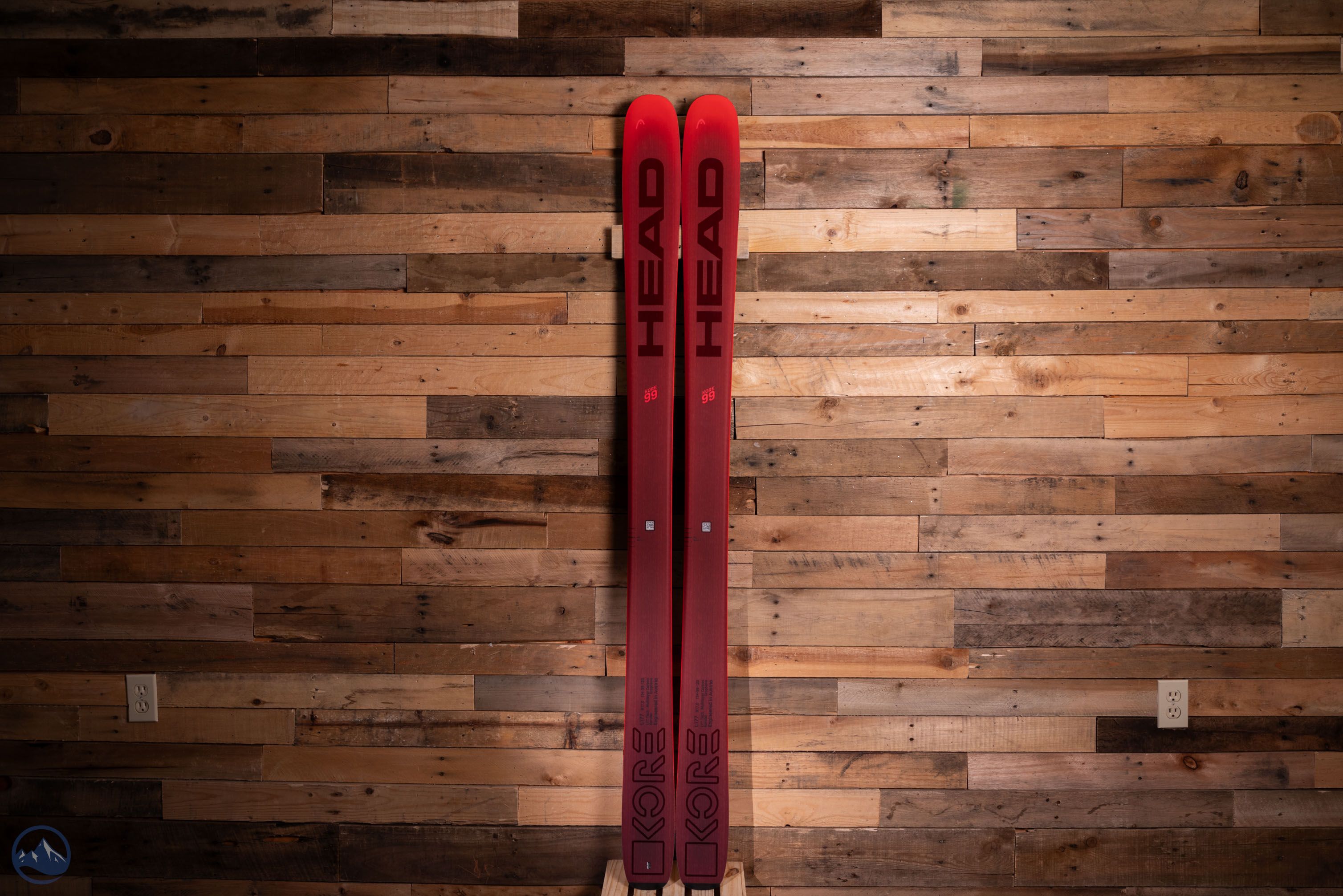
2025 Head Kore 99

- Ability level
- Advanced, Expert
- Rocker profile
- Rocker/Camber/Rocker · Head Tip-Tail Rocker
- Construction
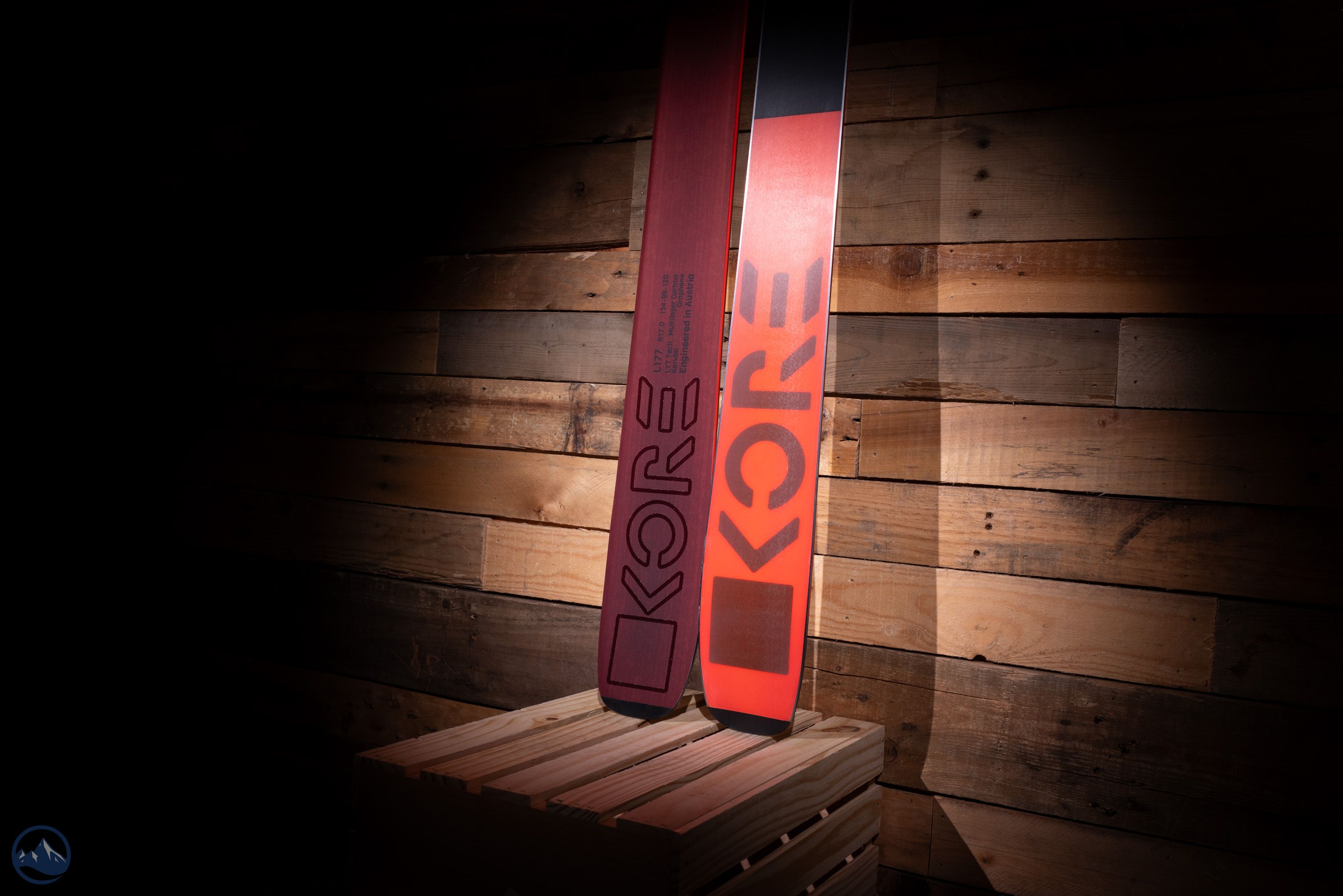
- Karuba/Poplar Wood Core, Graphene, Fiberglass, Multilayer Carbon Sandwich Cap Construction, Graphene, Structured UHM C Base
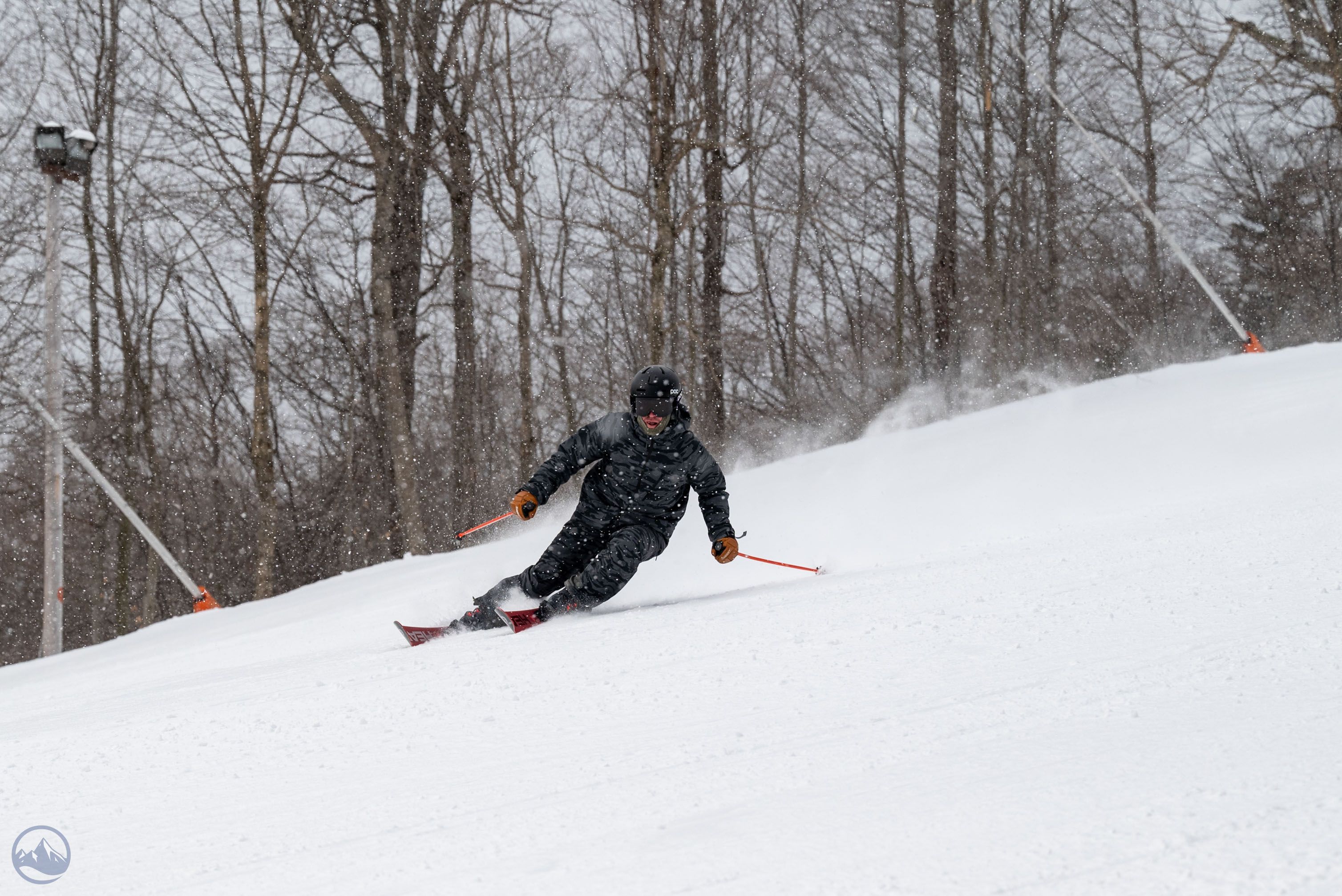
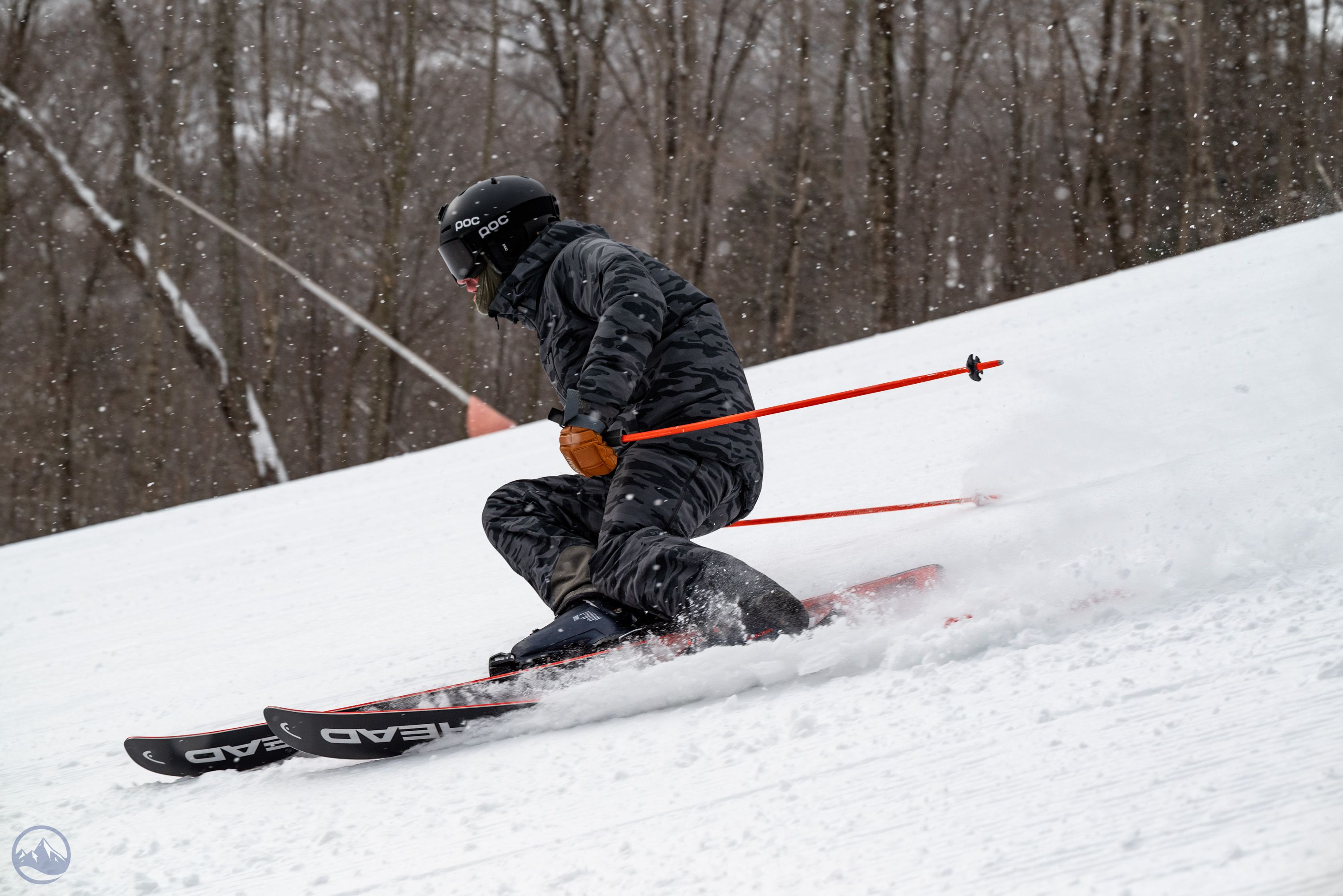
We’ve loved these carbon-powered skis for a while now. The 2025 Head Kore 99 gets a slight facelift for this year but remains the same great carbon-powered ski that we’ve always had good relations with. With the latest improvements coming two seasons ago, the 2025 version benefits from having the highest possible quality so far. Even when it first came out, there was a sense that this ski is somewhat different—stiff flex, light weight, and maneuverable nature—all combine to make a very well-rounded ski for a broad, yet somewhat specific range of skiers. If that is a bit obfuscated, we apologize, but that’s just how we feel. It’s not for everyone because it’s quite stiff. It’s not for everyone because it’s very light. It’s not for everyone because it can feel pingy if you’re not ready for it. That said, it also has an open range of skier type because many of us enjoy light and quick skis. We enjoy reactivity and agility. We enjoy the precise and strong feel, even if it doesn’t sound right often. That’s the duality the Head Kore 99 produces, but if you can look past some negative connotations, you’re left with a high-performance all-mountain ski that can do it all. From carving and powder to bumps and trees, this ski does it all.
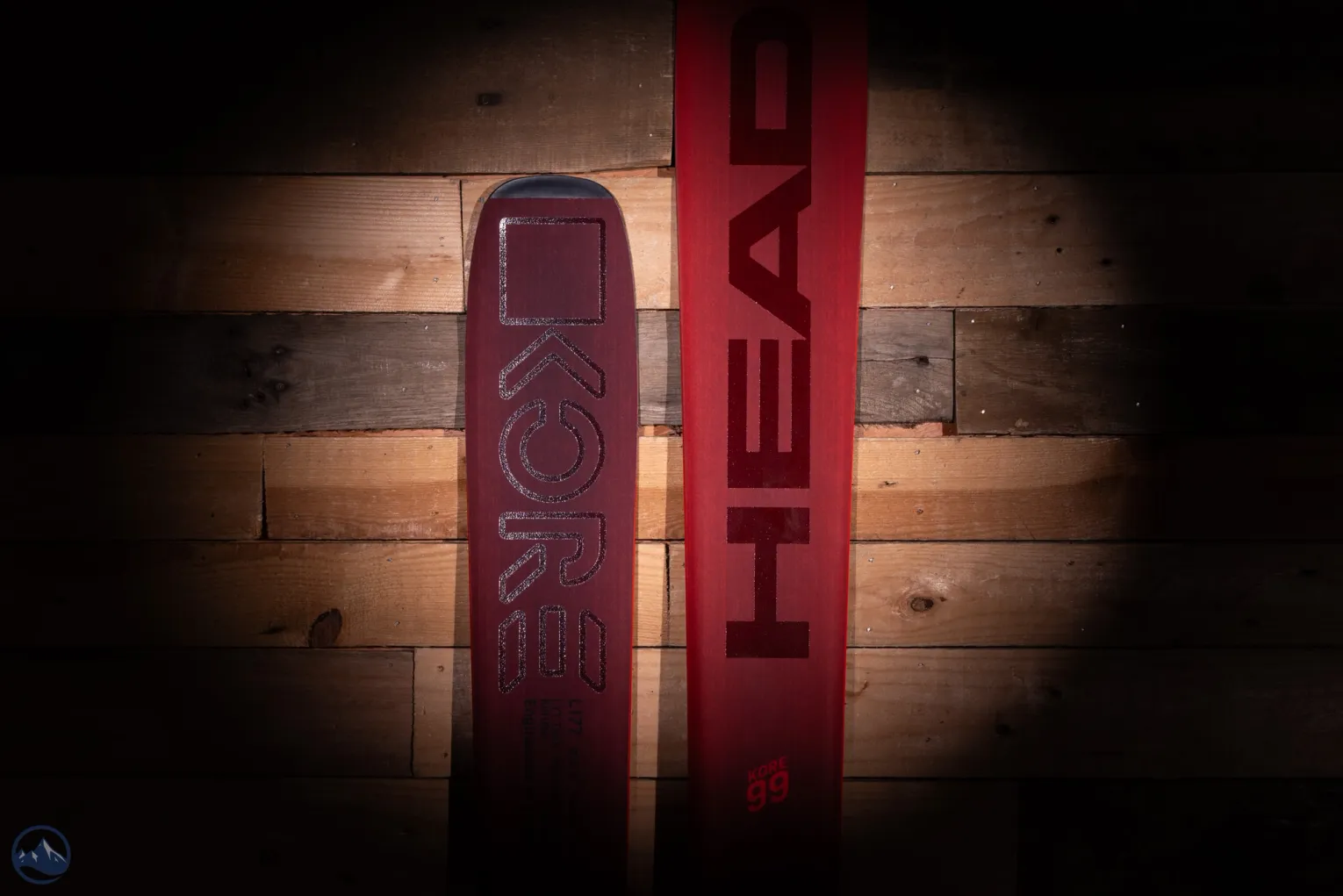
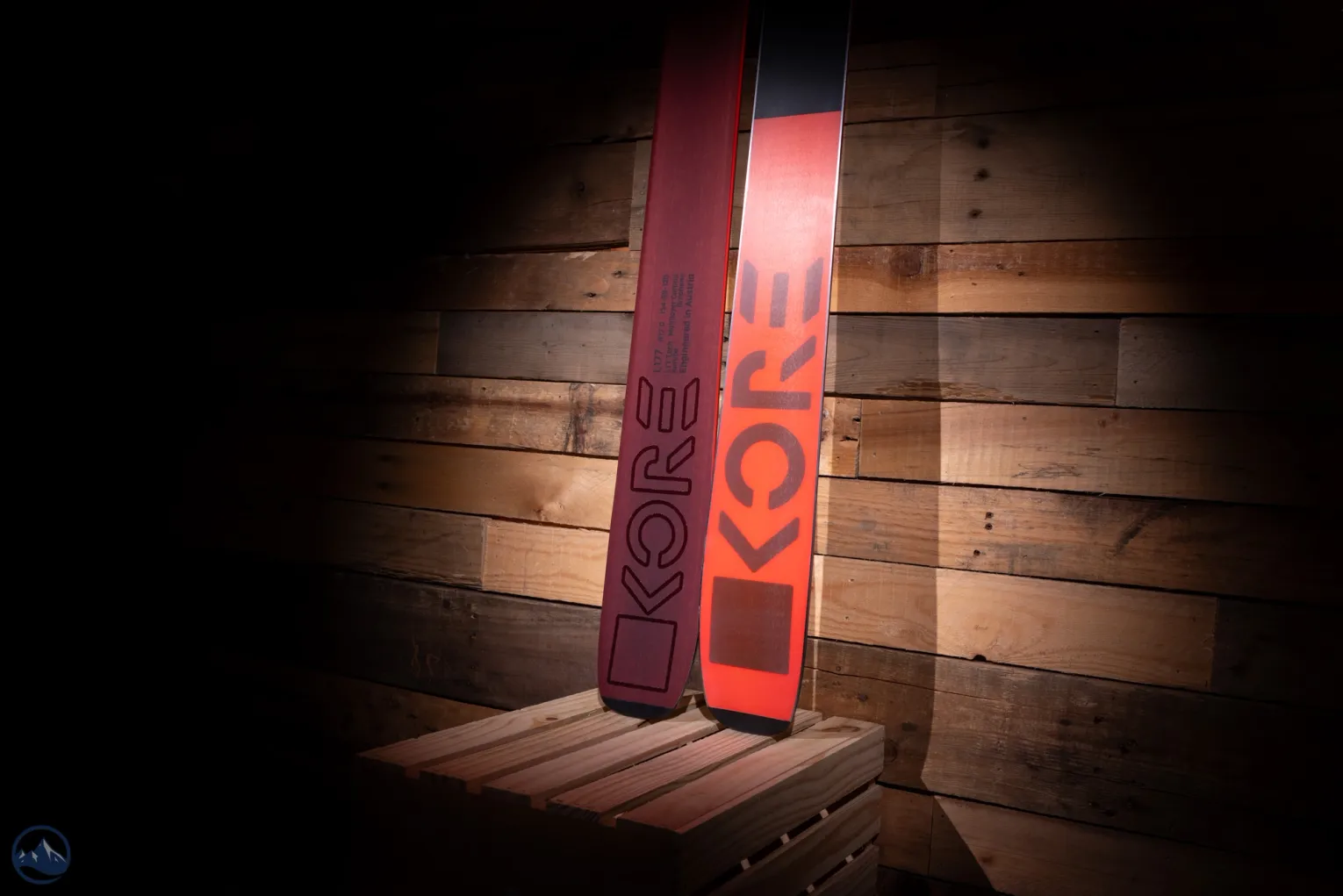
Head’s engineers rely on innovation and technology to boost their skis performance. The blend of light karuba wood blends well with the use of poplar to make a strong and energetic ski. We then get Head’s fabled dual-carbon laminate to stiffen and strengthen the ski. While the lower laminate is flat, sitting under the core, the upper layer is curved to match the chamfered shape of the ski. When carbon is curved or placed in a three-dimensional manner, it accentuates the properties, in this case, it boosts the stiffness. To combat any potential pinging from the carbon, Head installs two layers of damping material to soften the blow. This makes the ski feel on the quiet side for something with this much carbon. We also get a strip of graphene on top of the core to further add to the longitudinal flex of the ski. It all makes sense and delivers a ton of power and precision for skiers who can bend the ski. In the 177, this all adds up to a weight of 1753 grams—good enough to be considered light, especially given the flex. Tester Jose Darias notes that “This was the easiest and most intuitive ski I hopped on all test. It makes a wide variety of turn shapes as soon as you ask them to. Even with the ski being shorter than I would’ve wanted, they didn’t hold me back and skied pretty much just how I would’ve wanted them to perform.”
 The Rocker / Camber / Rocker profile of the 2025 Head Kore 99
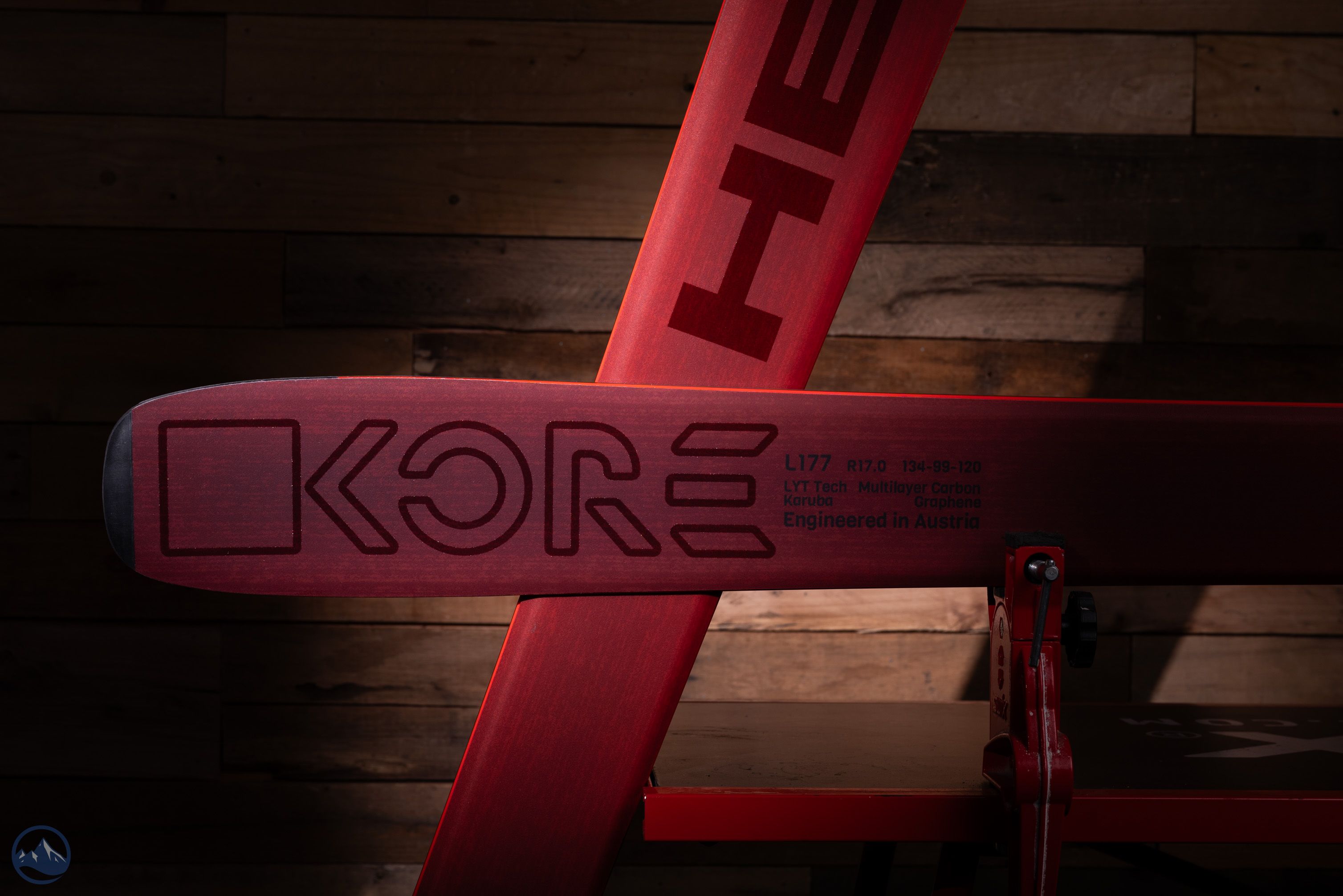
This Kore has an extremely versatile shape and profile. At 99 mm underfoot in the 177, this ski blurs the line between all-mountain and freeride. It mainly stays more squarely in the all-mountain category because it lacks the taper shape and rocker profile of the wider Kore skis in the line—there's a definite transition between the 99 and the 105 when it comes to footprint and profile. The 99 registers a 17-meter turn radius, which is on the short side, and we think this makes sense to get this stiff ski up on edge, it needs to be able to cut across the fall line in order to access performance and power. There’s not a whole lot of taper and rocker to this ski, and more importantly, there’s not a ton of camber underfoot. With increased camber height, it’d take too much work to access the entirety of the sidecut with any sort of chance of success. While the flotation is mainly boosted by the spoony shape of the shovel as well as the relatively lighter weight, the ski is on the stiff side for any type of playfulness in the softer snow. Jose continues to state that “I think this ski can go pretty much anywhere besides the steepest, most aggressive lines. The top end feels a bit lacking but basically anywhere else on the mountain feels like a happy home for the Kore 99.”
We’ve found an interesting demographic here. Skiers that have some extra weight and strength to them will be able to bend and flex the Kore 99 to a better degree in order to get the ski to perform. You don’t need as much of a skillset if you are a bigger skier. Smaller skiers who make shallower and skidded turns will also have a lot of success here—it's mainly the lighter, skilled skier who may struggle to activate the ski in its entirety. That puts the Kore 99 in a rare category when it comes to skier type. You must pay attention, but if you’re in the right zone with this ski, it’s darn awesome. It is more of a try first type of ski.
- Ability
- I'm A Pro
- Height
- 5'10"
- Weight
- 155
- Days / Year
- 100+
- Age
- 30
- Years Skiing
- 28
Explore More