

2026 Rossignol Sender Free 110


- Recommended terrain
- Big Mountain, Powder, Freeride
- Ability level
- Advanced, Expert
- Rocker profile
- Rocker/Camber/Rocker · Rossignol Freeride Rocker
- Construction
- Poplar Wood Core, Titanal, Central Titanal, VAS Vibration Absorption System, Air Tip, Rectangular Full Sidewalls, Sintered Base
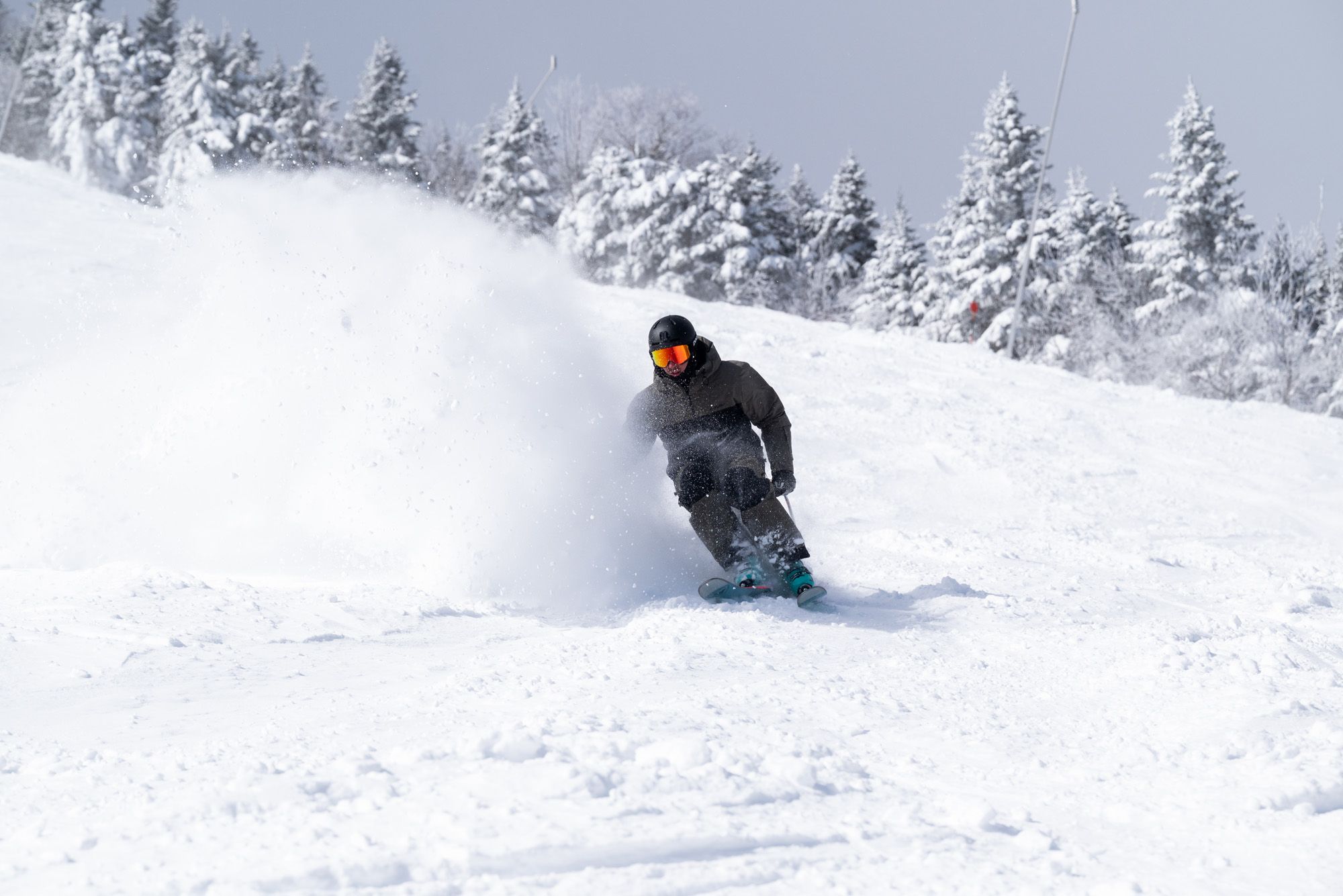
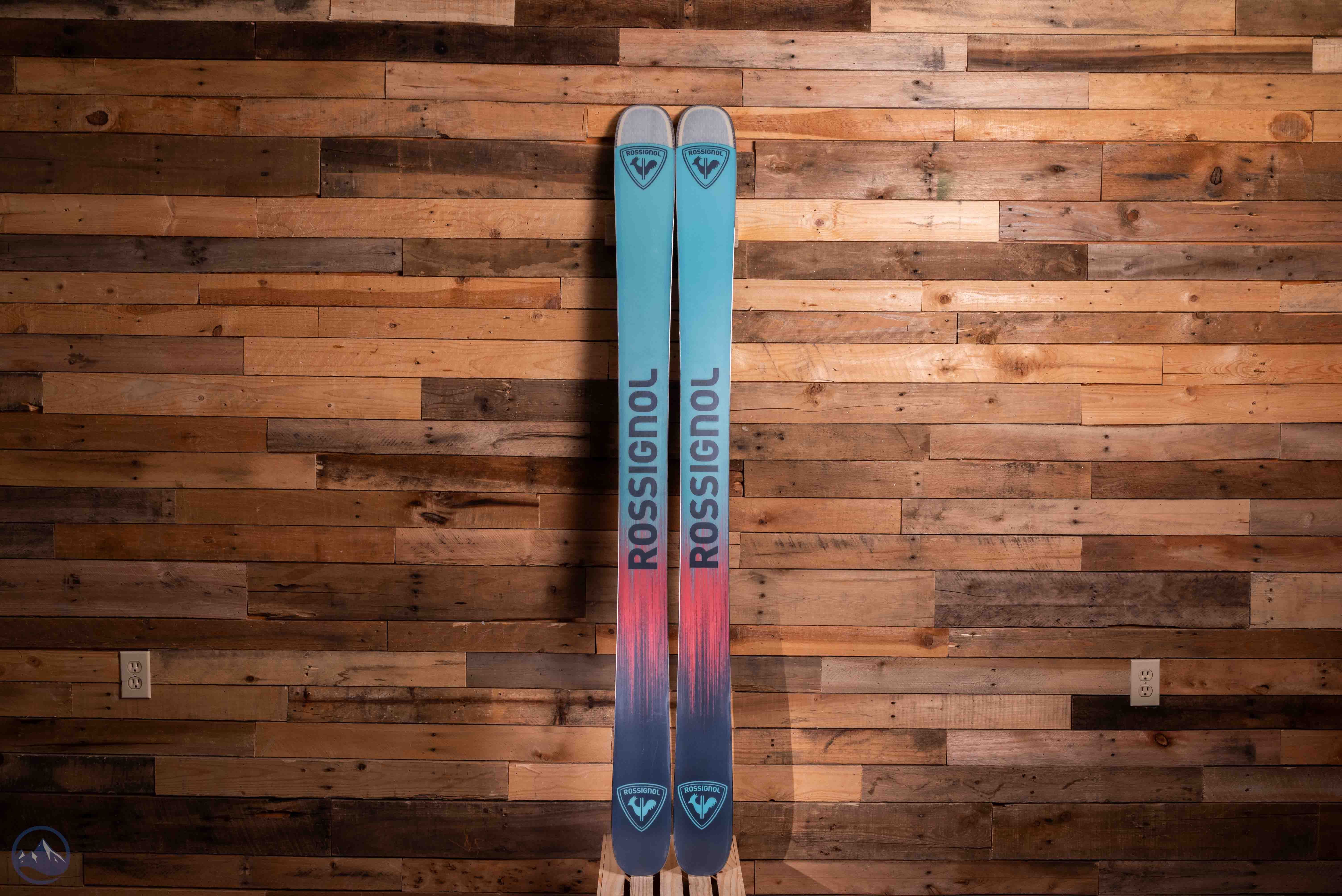
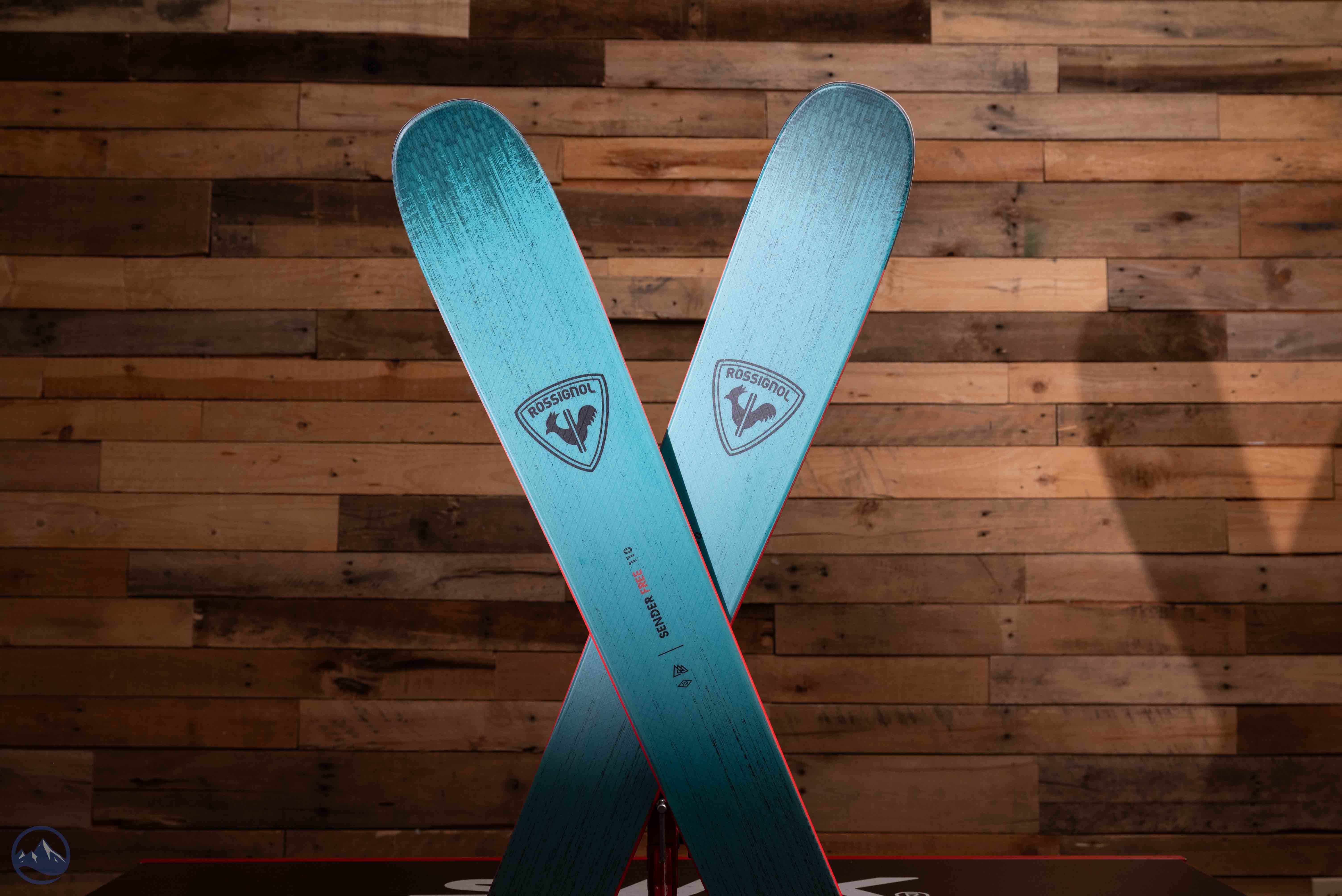
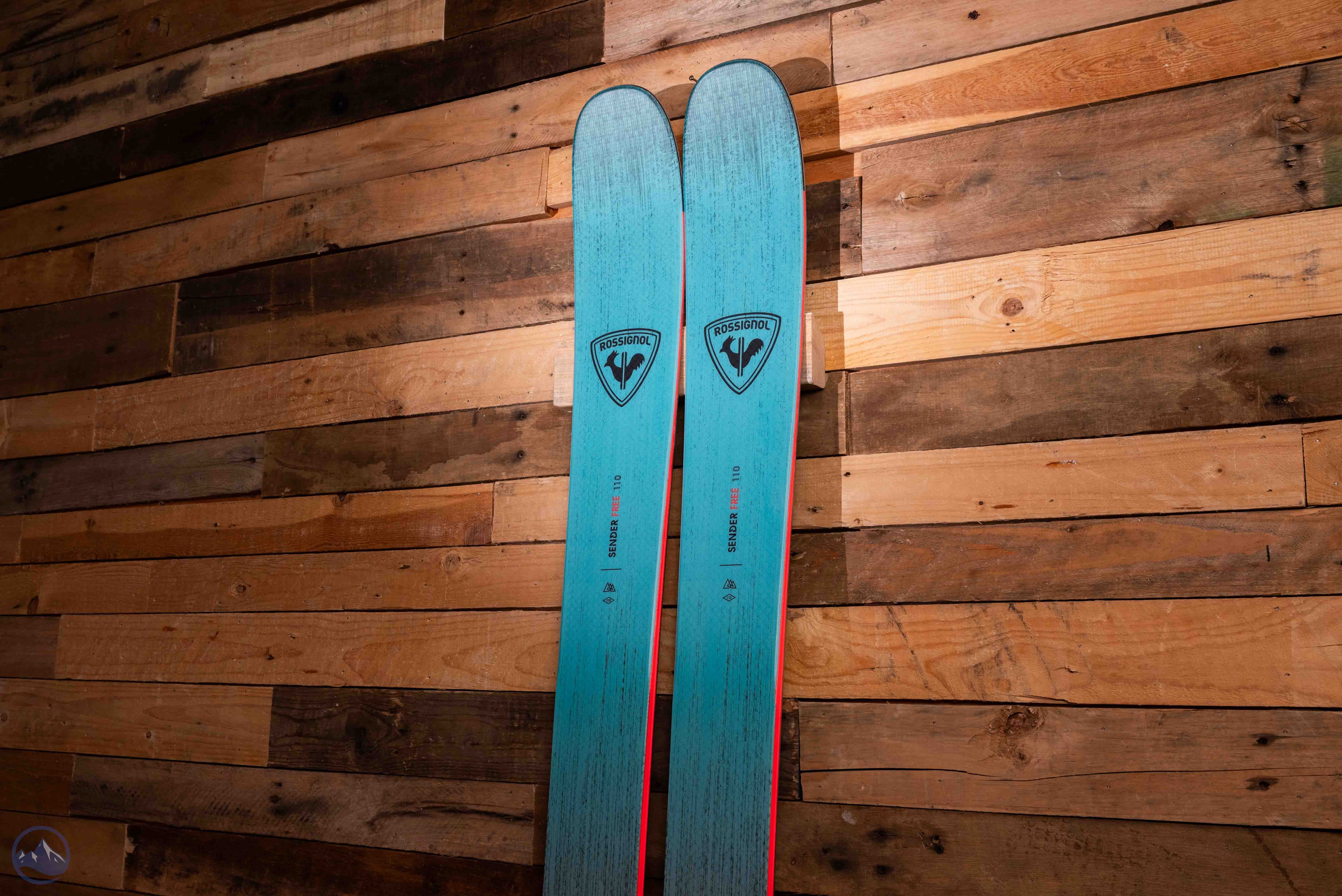
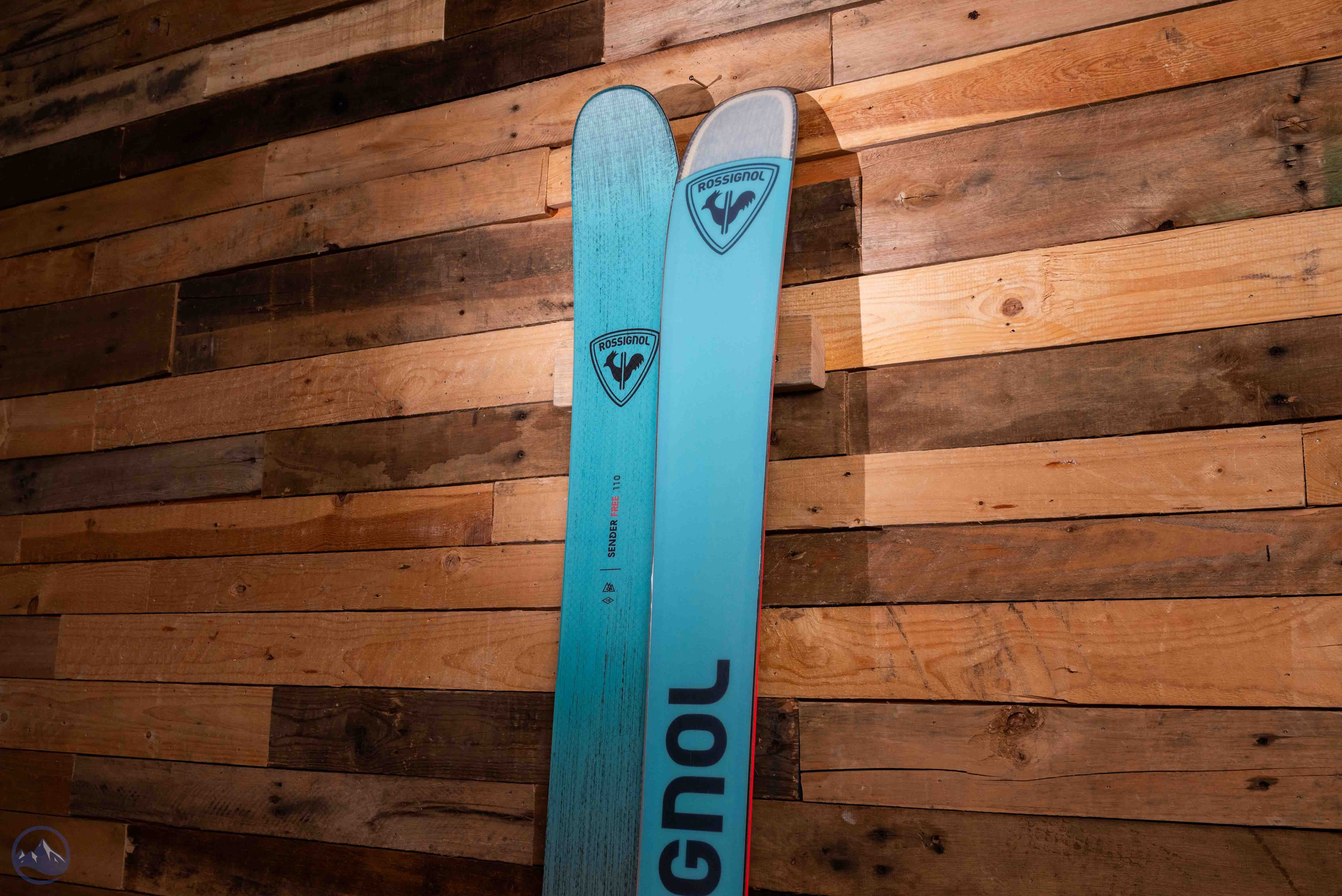
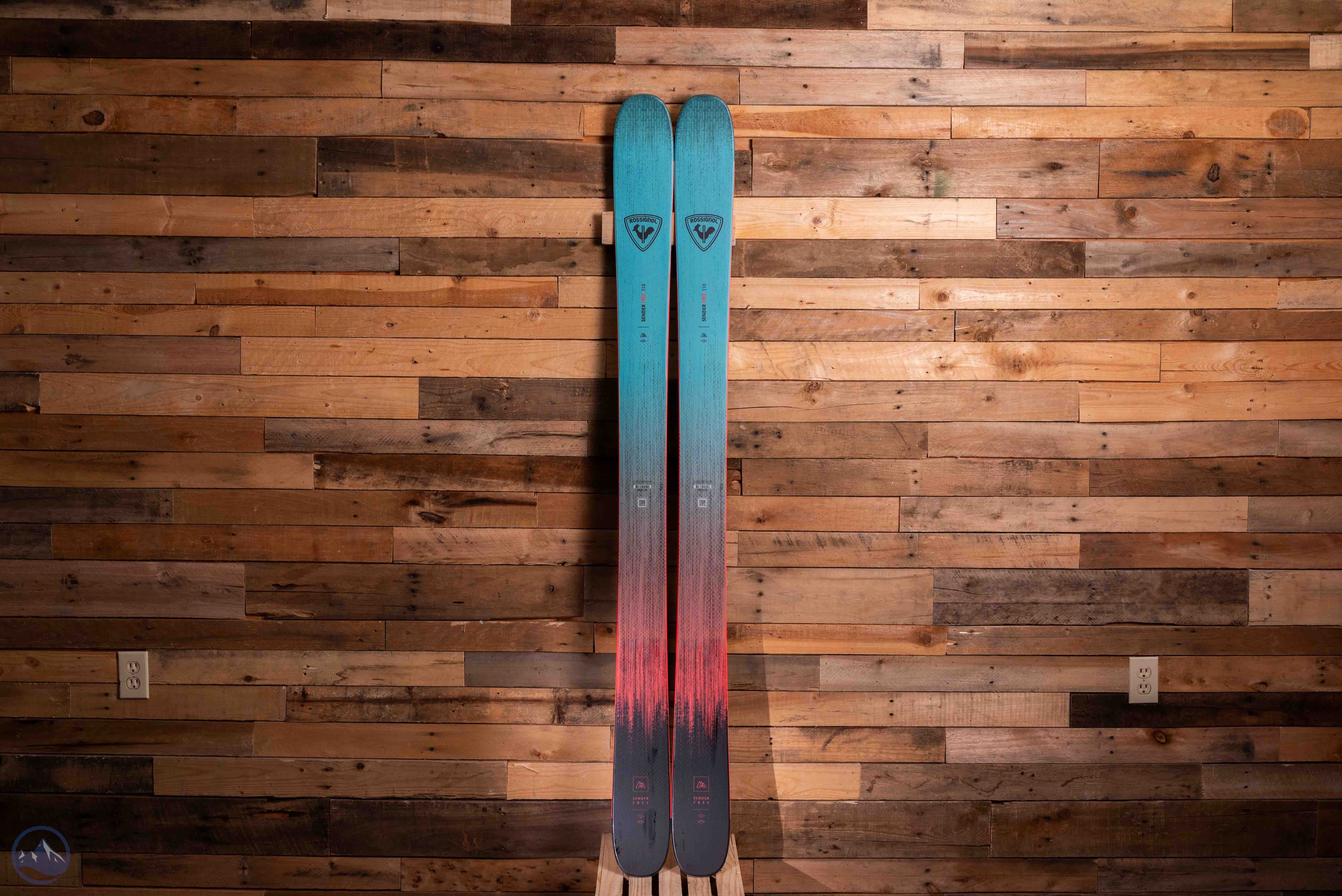
The 2026 Rossignol Sender Free 110 is a carryover model with the same shape, construction, profile, and graphics as last year. This Sender Free 110 splits the difference between powder and freeride in a few different ways. By taking the shape more from a twin tip and the build that’s more reminiscent of an all-mountain ski, the 110 is a strong, burly ski that also has an amazing amount of maneuverability and freestyle hints built right in. This is more of an athlete-inspired ski that has some freeride world tour notes to it, but at the same time is accessible enough for recreational skiers looking for a fun-loving snow day ski for a variety of conditions and terrain. With a more central mount point and a bit of symmetry in the mix, it’s a very well-balanced ski.
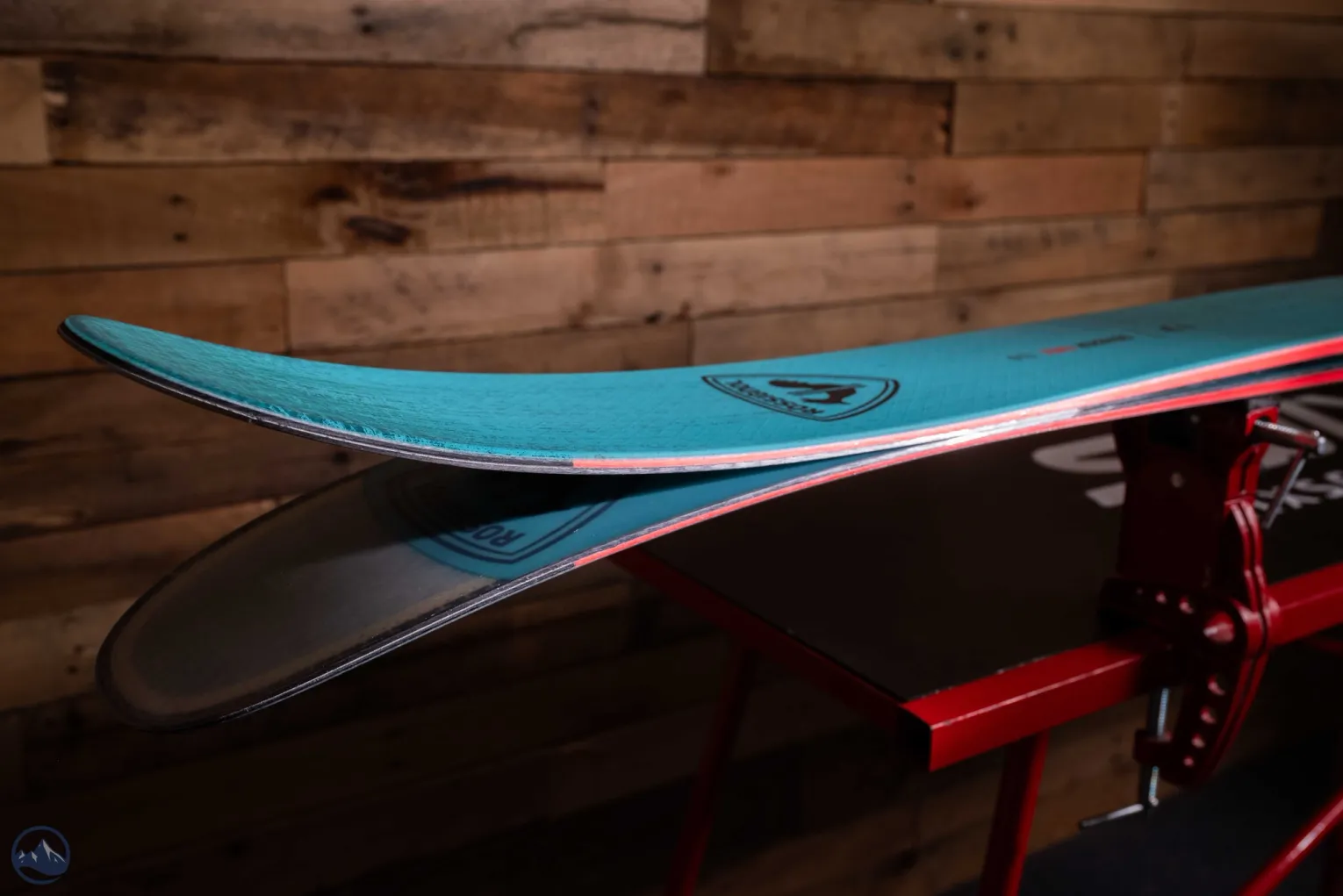

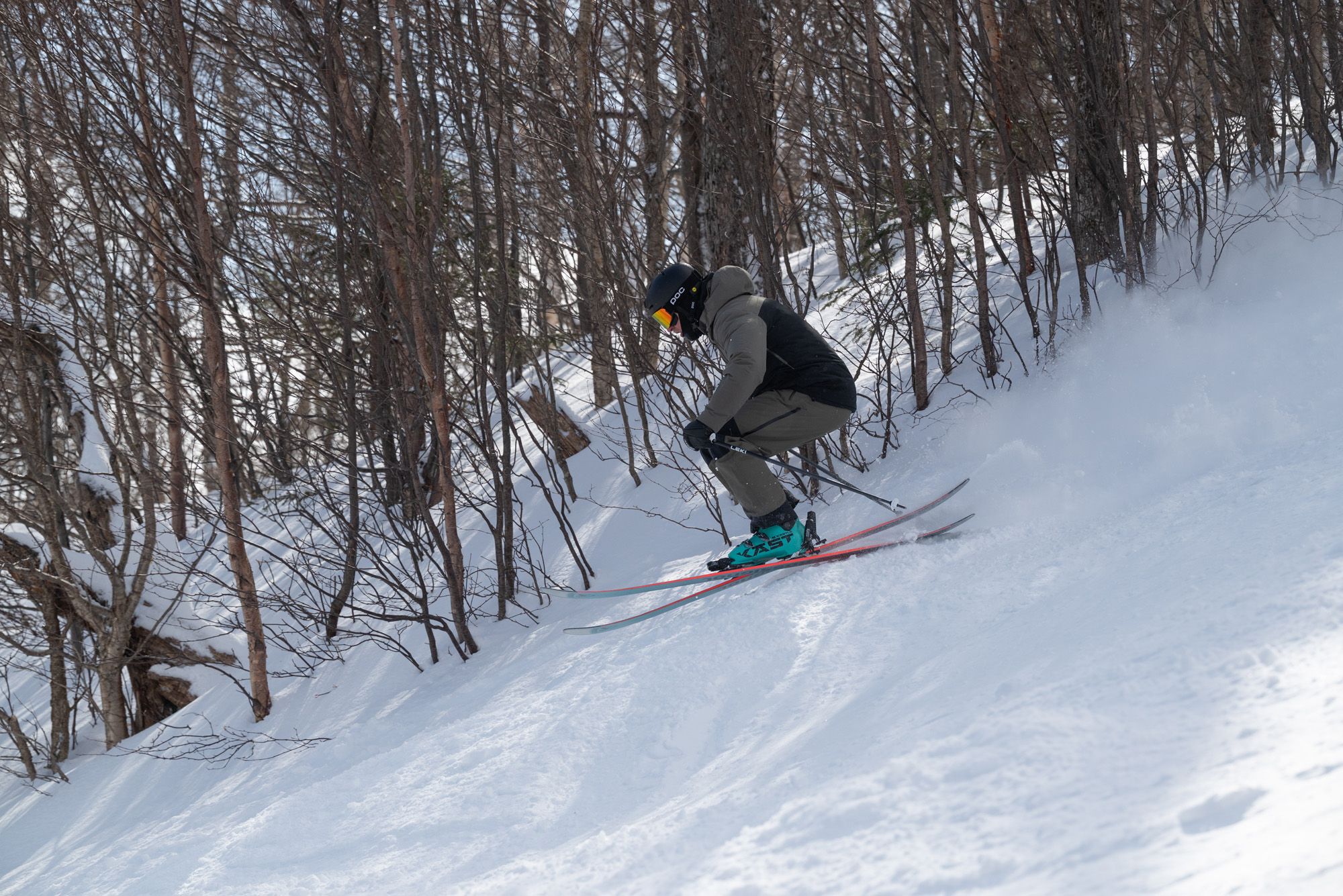
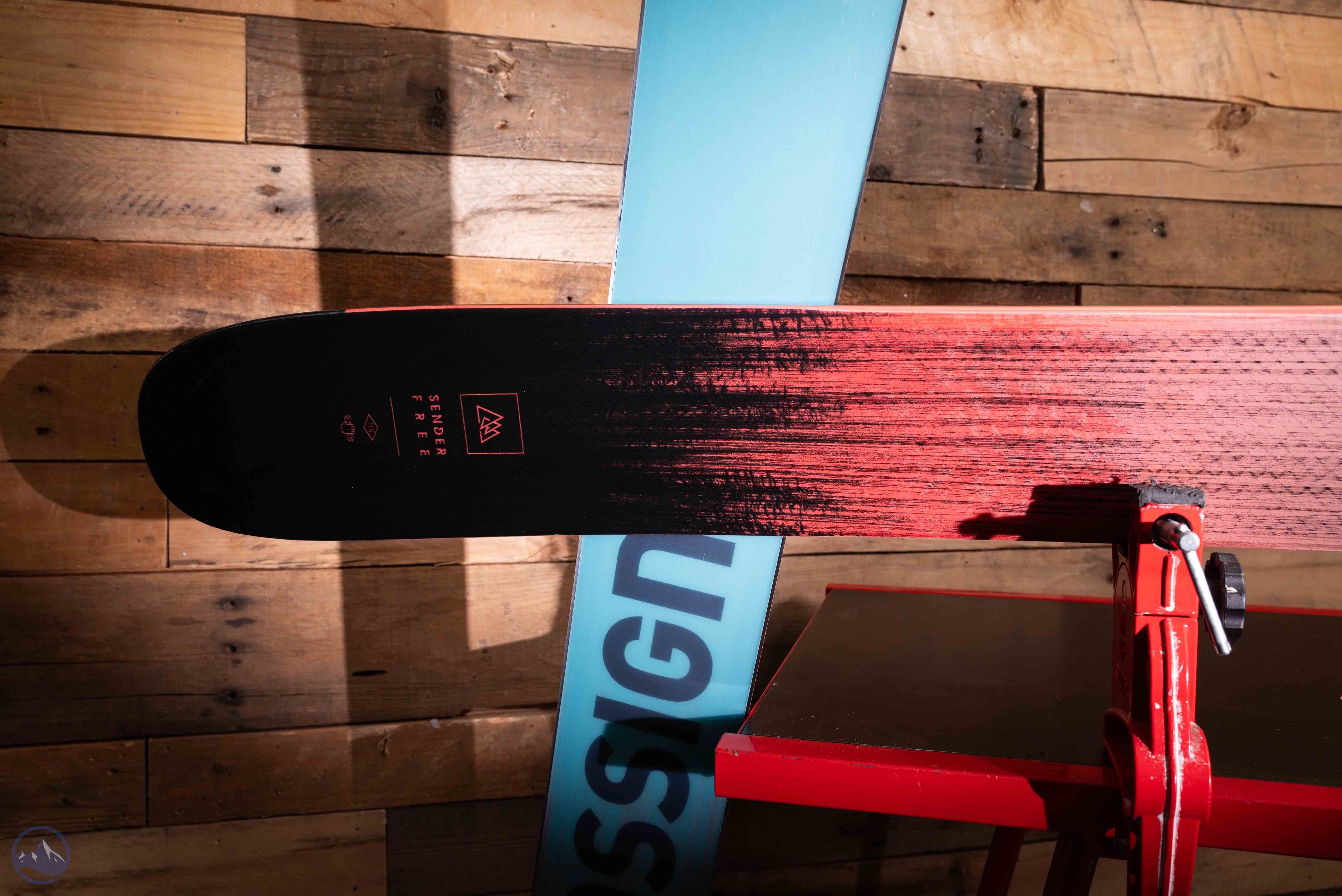
This Sender Free 110 is built using a full poplar core. We’re also getting their Ti Beam that adds stability and power to the ski, especially in the underfoot zone. One of the more interesting aspects of the build here is that instead of just using damp tech in the very tips and tails, Rossignol is using it in longer formats in the forebody as well as through the back of the ski. These larger zones provide extra vibration absorption that’s needed when skiing gets rough and rugged. To balance that damp feeling, they also use their Diagofiber to add power and pop. This cross-hatching of fibers makes for a snappy feel that adds to the lighter swing weight and the fantastic snap that comes out of each turn. If you’re looking for float, the Air Tip keeps the front of the ski up and out of the snow, allowing for maximum flotation with a lighter weight feel. That said, it’s got some heft to it, tipping the scales at 2250 grams per ski in the 184 cm length. Tester Jose Darias states that: “It’s an incredibly stable ski that just seems to hold you in your line regardless of the snow conditions and without too much effort from the skier. It’s not the most forgiving in a traditional sense but it’s easy to ski it hard with demanding inputs at high speeds.”
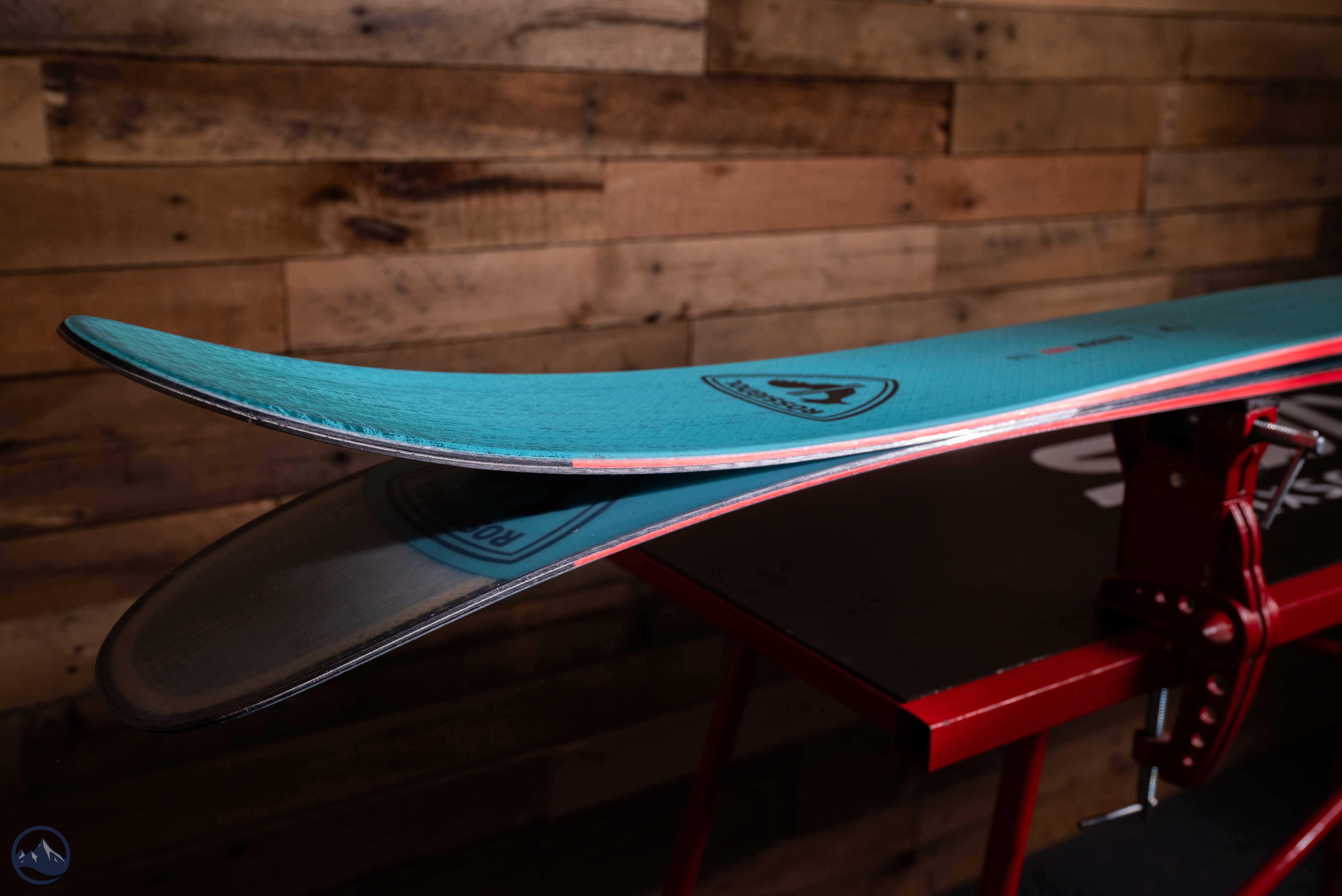
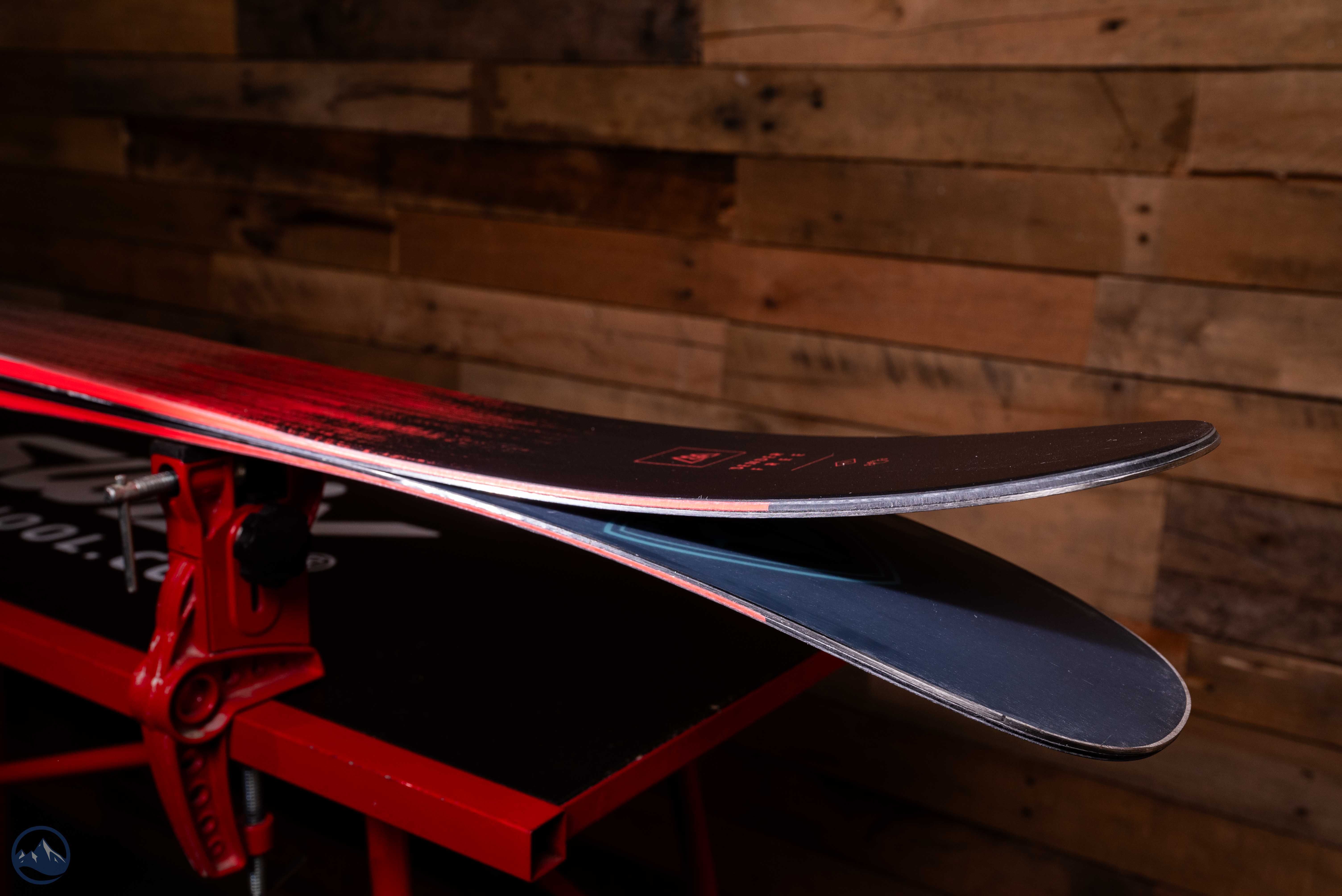
 The Rocker / Camber / Rocker profile of the 2026 Rossignol Sender Free 110
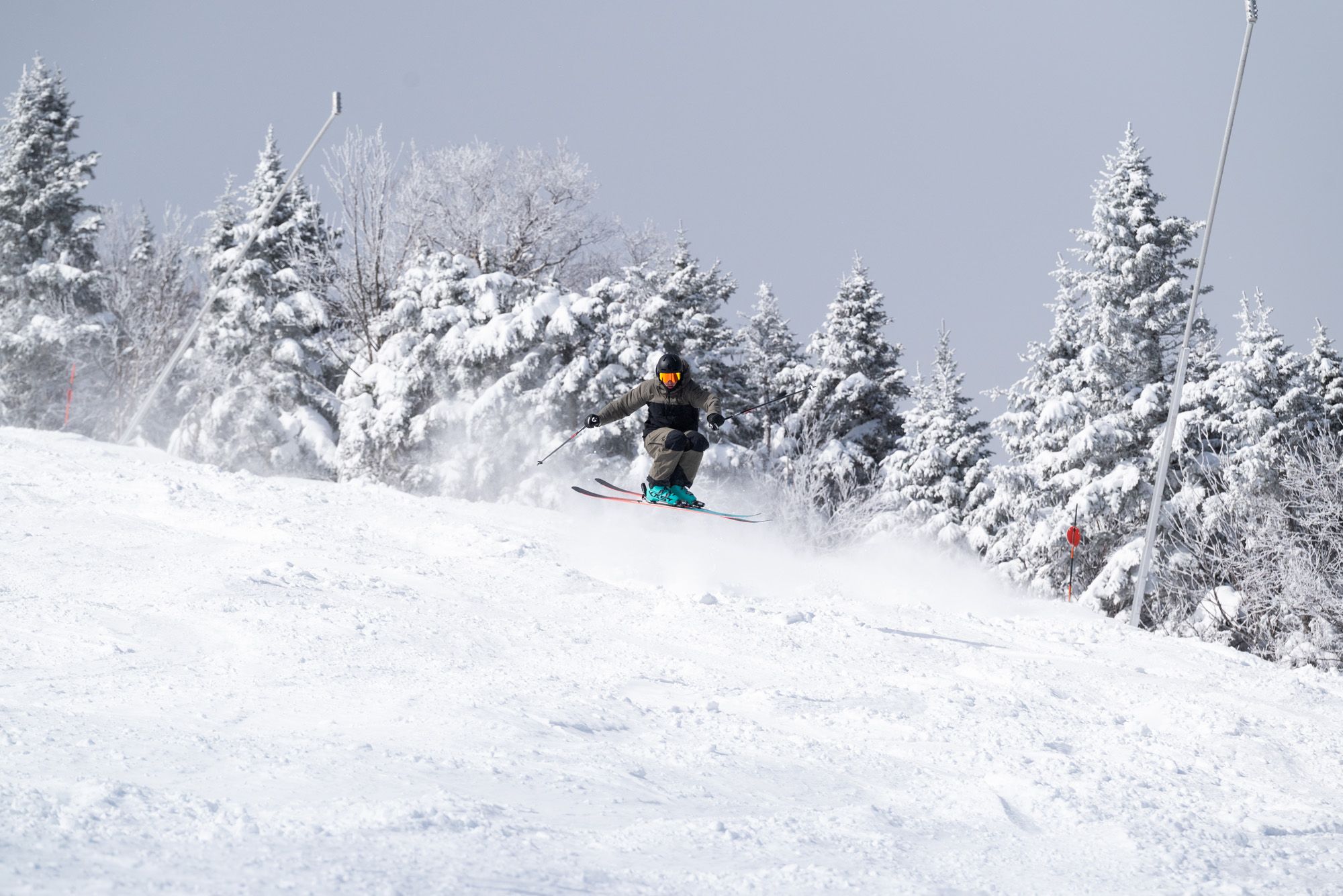
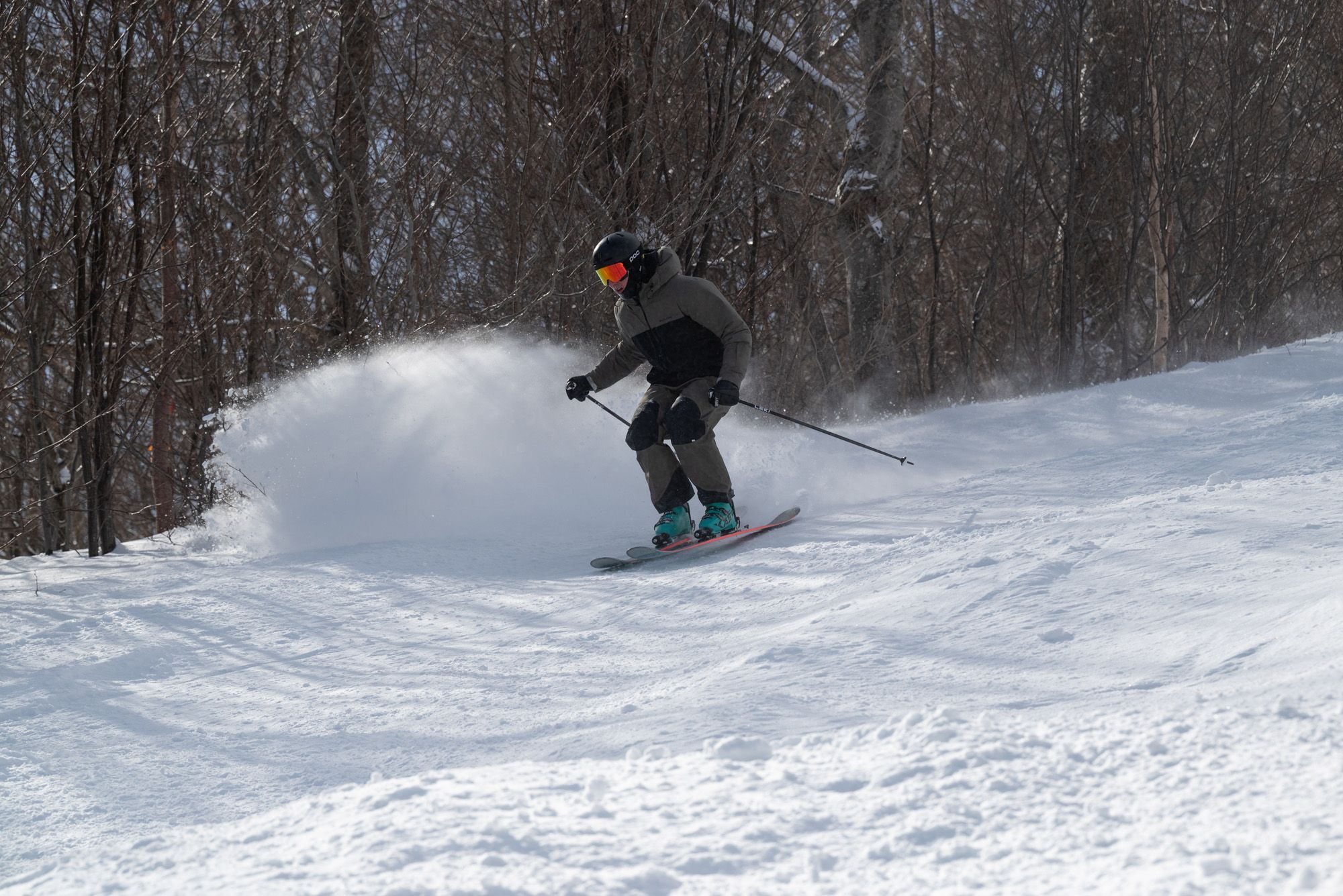
The overall footprint of this ski leans heavily to the freeride and powder side of the spectrum. In terms of shaping, this ski most certainly falls into the wide twin tip category, and we’re all about it. At 110 mm underfoot, the 140 mm tips and 133 mm tails generate a 20-meter turn radius, keeping the ski drifty and smeary no matter the conditions or terrain. With only a 7 mm difference between tips and tails, this ski is symmetrical and balanced—two things that add a lot of flavor to this already spicy ski. As a twin tip, we’re seeing some decent, although not super-dramatic rocker and splay. The tips and tails are similar, again leading to that balanced and symmetrical feel and character. Switch riding is a breeze thanks to this shape and profile, unleashing the creative aspect of many skiers’ wants and dreams. Nic Zannoni notes that “These skis smear and float like a surf board! Crazy fun! They don’t carve well, but they are a 110, they don’t need to. Stable when you point them, and they slash any shape you want.”
Over the past two seasons, this ski has made a strong mark on the freeride community. It’s already had competitive success, and now it’s time to take those results and move them into the mainstream. Rossignol does a great job of combining forces with their already successful skis and creating something interesting and different for a variety of skiers. While it’s best suited for advanced and expert skiers who find themselves in steep, challenging, and deep snow most of the time, there’s some real-world recreational applications here as well. For us here in Vermont, this is a bit more specific of a ski for deeper days, and that’s okay. When you do choose to take them out, you’ll be rewarded with an amazing blend of flotation, playfulness, and creativity. With a surfy feel and a creative character, these skis make quick and fun work out of soft snow and technical terrain.

- Ability
- Advanced
- Height
- 5'11"
- Weight
- 185
- Days / Year
- 50ish. :( I’m still trying
- Age
- 63
- Years Skiing
- 50-50+





Explore More



